


Winemaker Notes
Blend: 50% Cabernet Franc, 39% Merlot, 9% Cabernet Sauvignon 2% Malbec
Professional Ratings
-
Decanter
This has a complex nose with some earthy, hot-stone elements as well as smoked meat and kirsch characteristics. The tannins are finely-etched, effortlessly supporting the cherry and blackberry fruit. As is common with even the most concentrated wines from Vérité, the finish is long and light-footed. 50% Cabernet Franc, 39% Merlot, 9% Cabernet Sauvignon and 2% Malbec, aged for 18 months in new oak barrels. Drinking Window 2025 - 2050
-
Robert Parker's Wine Advocate
The myth perpetrated by Old World wine proponents is that California wines don’t age. Those critics need to taste Verité, because these wines are aging far slower than I imagined. Perfect in its own right, and probably my favorite of the three Verite wines I tasted, the absolutely, drop-dead bouquet of the 2005 Le Désir is the most stunningly complex and fragrant display of a blend of Bordeaux varietals (50% Cabernet Franc, 39% Merlot and the rest Cabernet Sauvignon and a touch of Malbec) that I have found in my horizontal tastings of 2005. This is the Sonoma version of an Ausone, for lack of a better frame of reference. Like its siblings, it is opaque purple, with an extraordinary and exhilarating nose of blackberries, forest floor, graphite, licorice and hints of charcoal embers and truffle. Very plush, it is the most evolved and silkiest of all three cuvées. This is another prodigious effort with fabulous purity, depth and overall harmony. This wine is just remarkable, and anyone lucky enough to own any of these wines is in for untold joy over the next 25-20+ years. I just hope the owners live long enough to see these wines at their peak!
-
James Suckling
This is a dusty red with soft and polished tannins. Shows some light wood undertones. Velvety and chewy finish.


One of the world’s most classic and popular styles of red wine, Bordeaux-inspired blends have spread from their homeland in France to nearly every corner of the New World. Typically based on either Cabernet Sauvignon or Merlot and supported by Cabernet Franc, Malbec and Petit Verdot, the best of these are densely hued, fragrant, full of fruit and boast a structure that begs for cellar time. Somm Secret—Blends from Bordeaux are generally earthier compared to those from the New World, which tend to be fruit-dominant.
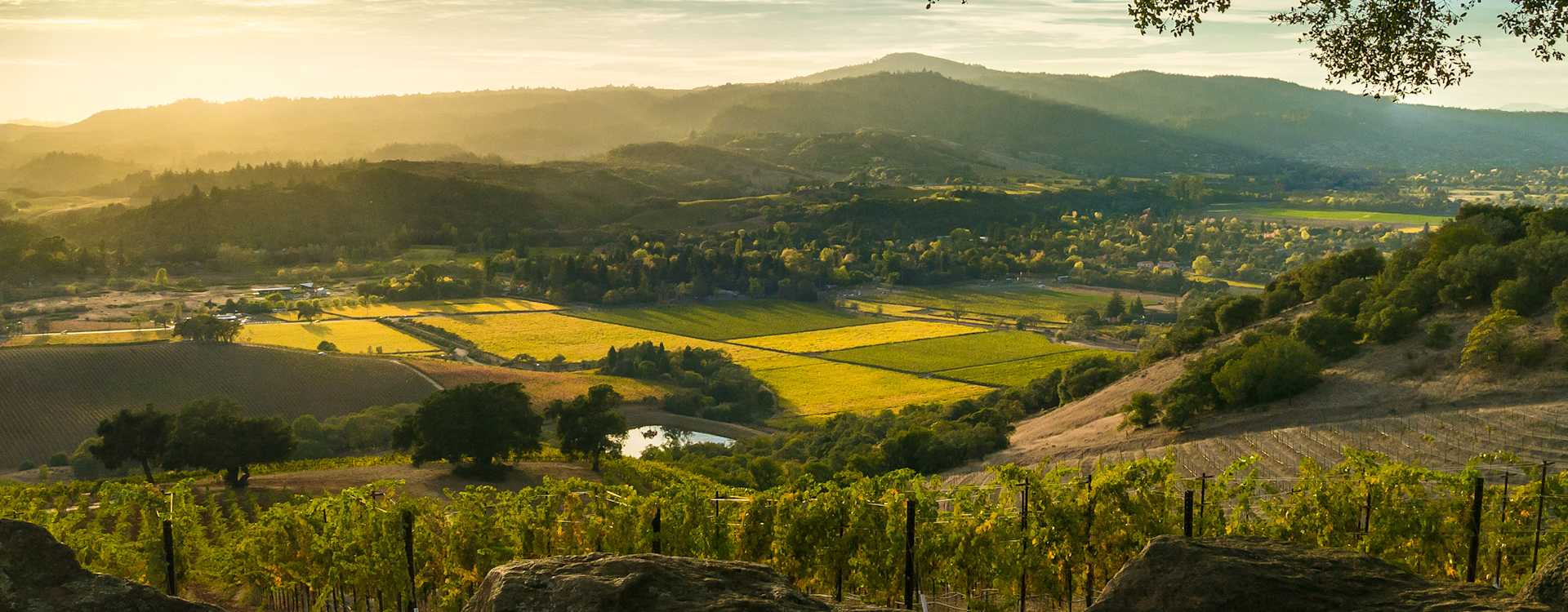
Home to a diverse array of smaller AVAs with varied microclimates and soil types, Sonoma County has something for every wine lover. Physically twice as large as Napa Valley, the region only produces about half the amount of wine but boasts both tremendous quality and variety. With its laid-back atmosphere and down-to-earth attitude, the wineries of Sonoma are appreciated by wine tourists for their friendliness and approachability. The entire county intends to become a 100% sustainable winegrowing region by 2019.
Sonoma County wines are produced with carefully selected grape varieties to reflect the best attributes of their sites—Dry Creek Valley’s consistent sunshine is ideal for Zinfandel, while the warm Alexander Valley is responsible for rich, voluptuous red wines like Cabernet Sauvignon. Chardonnay and Pinot Noir are important throughout the county, most notably in the cooler AVAs of Russian River, Sonoma Coast and Carneros. Sauvignon Blanc, Merlot and Syrah have also found a firm footing here.