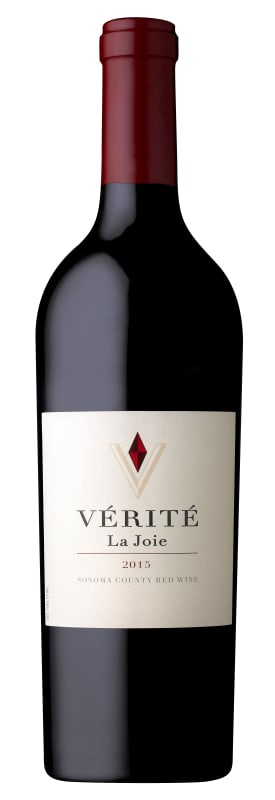


Winemaker Notes
Blend: 75% Cabernet Sauvignon, 14% Merlot, 7% Cabernet Franc, 4% Petit Verdot
Professional Ratings
-
Robert Parker's Wine Advocate
A blend of 75% Cabernet Sauvignon, 14% Merlot, 6% Cabernet Franc and 5% Petit Verdot, the 2015 La Joie features a very deep purple-black color and almost electric nose of crushed blackcurrants, ripe black cherries and mulberries with sparks of raspberry pie, wild blueberries, unsmoked cigars, charcuterie and crushed stones. Medium to full-bodied and charged with the most amazing energy, the youthful, vibrant black-fruited palate is framed by very firm, very finely grained tannins and wonderful freshness, finishing with lingering crushed stones and earth layers. 4,000 cases produced.
-
Decanter
Never any question that this is a wine built with impact and seduction in mind. It’s so cleverly constructed that you almost don’t notice how it contracts as the tannins take hold, drawing out the whole experience. Clear elegance with tiny kicks of minerality that pulse and lift upwards through the palate, setting the rich cassis fruit alive. 75% Cabernet Sauvignon, 14% Merlot, 7% Cabernet Franc, 4% Petit Verdot.
-
James Suckling
This is a beautiful cabernet sauvignon-based red with blackcurrants, blueberries and a light mint character. Full-bodied, firm and tight with a compressed fruit structure and polished tannins. Extremely long and focused. A beautiful wine. Mostly cabernet sauvignon. Drink in 2021.


One of the world’s most classic and popular styles of red wine, Bordeaux-inspired blends have spread from their homeland in France to nearly every corner of the New World. Typically based on either Cabernet Sauvignon or Merlot and supported by Cabernet Franc, Malbec and Petit Verdot, the best of these are densely hued, fragrant, full of fruit and boast a structure that begs for cellar time. Somm Secret—Blends from Bordeaux are generally earthier compared to those from the New World, which tend to be fruit-dominant.
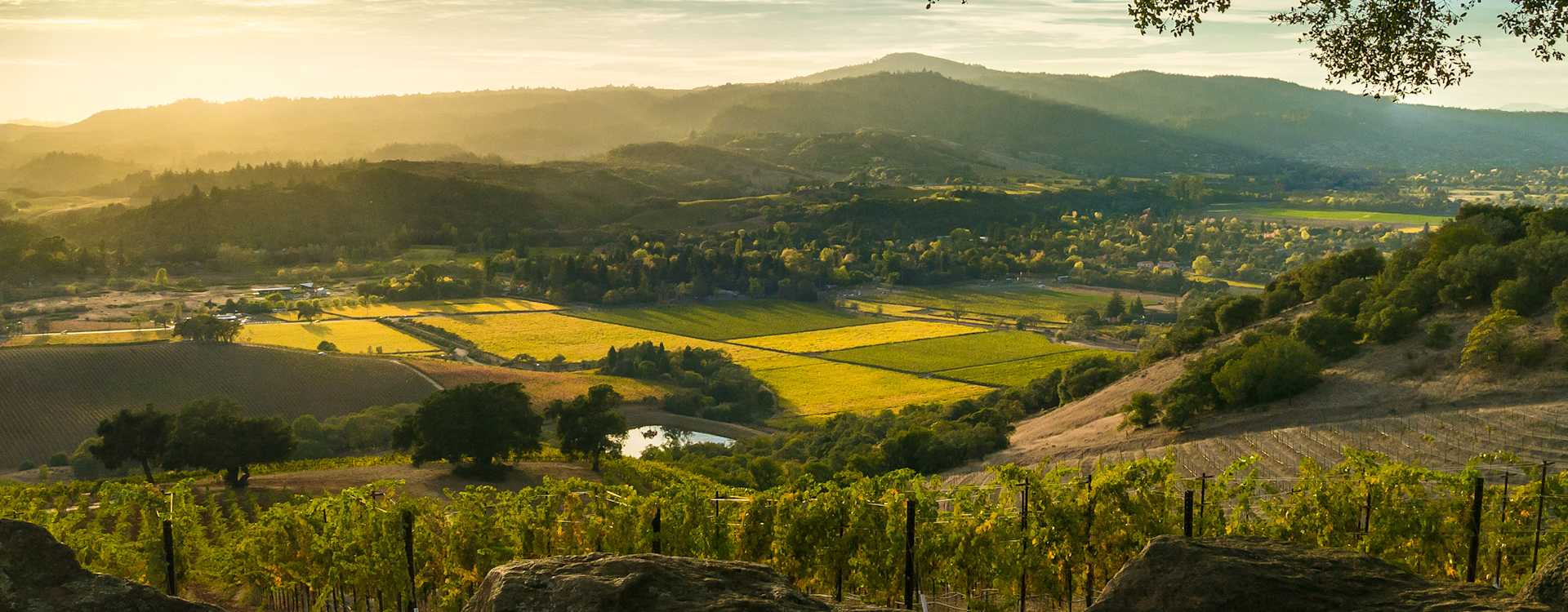
Home to a diverse array of smaller AVAs with varied microclimates and soil types, Sonoma County has something for every wine lover. Physically twice as large as Napa Valley, the region only produces about half the amount of wine but boasts both tremendous quality and variety. With its laid-back atmosphere and down-to-earth attitude, the wineries of Sonoma are appreciated by wine tourists for their friendliness and approachability. The entire county intends to become a 100% sustainable winegrowing region by 2019.
Sonoma County wines are produced with carefully selected grape varieties to reflect the best attributes of their sites—Dry Creek Valley’s consistent sunshine is ideal for Zinfandel, while the warm Alexander Valley is responsible for rich, voluptuous red wines like Cabernet Sauvignon. Chardonnay and Pinot Noir are important throughout the county, most notably in the cooler AVAs of Russian River, Sonoma Coast and Carneros. Sauvignon Blanc, Merlot and Syrah have also found a firm footing here.