


Winemaker Notes
Blend: 67% Cabernet Sauvignon, 12% Merlot, 12% Cabernet Franc, 7% Petit Verdot, 2% Malbec
Professional Ratings
-
Decanter
A stunning wine, one of the most accomplished of the series, made from 67% Cabernet Sauvignon, 12% Merlot, 7% Petit Verdot, and 2% Malbec. 18 months of barrel-ageing in new French oak has given spice and a charcoal note to the blackberry fruit. It has a dense, tightly-wound texture with a mighty, magnificent tannic framework of remarkable heft and power. This is superbly concentrated but also possesses overall harmony - a truly sumptuous wine. Drinking Window 2022 - 2035
-
Jeb Dunnuck
An absolutely awesome wine that tops out my scale, the 2005 La Joie offers a Château Latour-like stature and structure as well as complex notes of blackcurrants, lead pencil shavings, sandalwood, and crushed rocks. Still youthful and vibrant, it’s full-bodied, has off-the-charts purity, ultra-fine tannin, blockbuster length, and a singular, magical character. Feel free to drink bottles today or cellar for just about as long as you’d like. It will probably outlive everyone reading this.
-
Robert Parker's Wine Advocate
The myth perpetrated by Old World wine proponents is that California wines don’t age. Those critics need to taste Verité, because these wines are aging far slower than I imagined. The 2005 La Joie (67% Cabernet Sauvignon, 12% Merlot, 12% Cabernet Franc, 7% Petit Verdot and 2% Malbec) tips the scales at 14.7% alcohol. It received the same 18 months in 100% new oak. It is interesting that Pierre Seillan said that he thought the high-elevation vineyards of Sonoma that go into Verité (self-serving, os course) are his greatest sites in the world for Bordeaux varietals. But remember – he’s from Bordeaux! This multidimensional wine, which enjoyed a 4-5 day cool, pre-fermentation maceration, has a provocative bouquet of blackberry, cassis, new saddle leather, Christmas fruitcake, graphite and high-quality unsmoked cigar tobacco. It is profound, extremely full-bodied and massive in the mouth, but not heavy or astringent in any way. This is perfection in a glass, and a tribute to what Sonoma can achieve. Give this wine another 4-5 years, and drink it over the following 30+ years.
-
James Suckling
Showing complex aromas of dark fruit, pine needles and pine nuts right now. Dried flowers, too. Full-bodied, round and chewy with firm and silky tannins. Always a linear edge running through this.


One of the world’s most classic and popular styles of red wine, Bordeaux-inspired blends have spread from their homeland in France to nearly every corner of the New World. Typically based on either Cabernet Sauvignon or Merlot and supported by Cabernet Franc, Malbec and Petit Verdot, the best of these are densely hued, fragrant, full of fruit and boast a structure that begs for cellar time. Somm Secret—Blends from Bordeaux are generally earthier compared to those from the New World, which tend to be fruit-dominant.
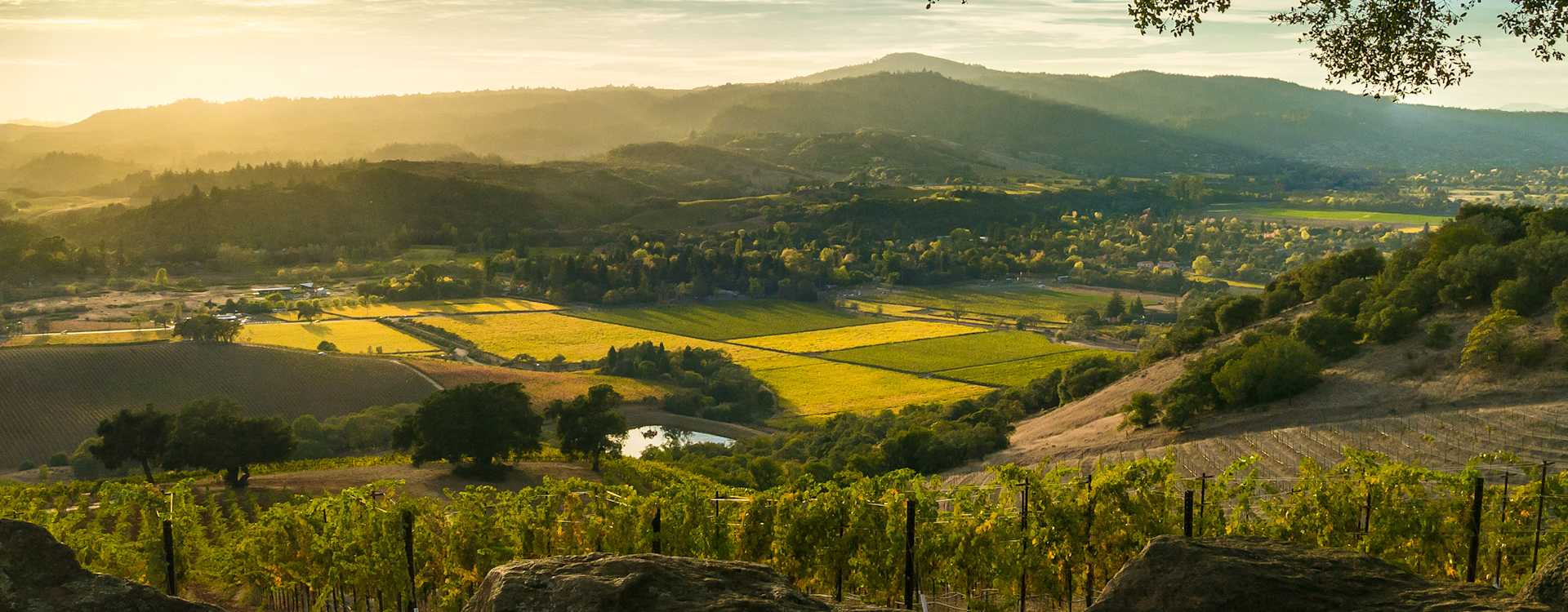
Home to a diverse array of smaller AVAs with varied microclimates and soil types, Sonoma County has something for every wine lover. Physically twice as large as Napa Valley, the region only produces about half the amount of wine but boasts both tremendous quality and variety. With its laid-back atmosphere and down-to-earth attitude, the wineries of Sonoma are appreciated by wine tourists for their friendliness and approachability. The entire county intends to become a 100% sustainable winegrowing region by 2019.
Sonoma County wines are produced with carefully selected grape varieties to reflect the best attributes of their sites—Dry Creek Valley’s consistent sunshine is ideal for Zinfandel, while the warm Alexander Valley is responsible for rich, voluptuous red wines like Cabernet Sauvignon. Chardonnay and Pinot Noir are important throughout the county, most notably in the cooler AVAs of Russian River, Sonoma Coast and Carneros. Sauvignon Blanc, Merlot and Syrah have also found a firm footing here.