


Winemaker Notes
This white blend is voluptuous and elegant with aromas of autumn spices, ripe fruit, nuts and seeds. Creamy on the palate with a long finish.
Professional Ratings
-
Robert Parker's Wine Advocate
I also tasted the 2022 Dido Blanc, which has more exuberant notes of quince, yellow plums and peach. It's riper, with 13.71% alcohol and lower acidity, and it's a little cloudier and darker in color, a deep golden. The wine is more voluptuous, with more volume, and it has a rounder feeling to it in general.
Rating: 92+ -
Vinous
The 2022 Dido Brisat is a blend of Macabeu, Garnatxa Blanca and Cartoixa from Montsant, fermented and soaked with 40% skins and stems. This orange wine, both in hue and style, presents aromas of kumquat with a vermouth-like core. Disheveled on the palate, its high alcohol content and compact flow create a warm and taut mouthfeel.

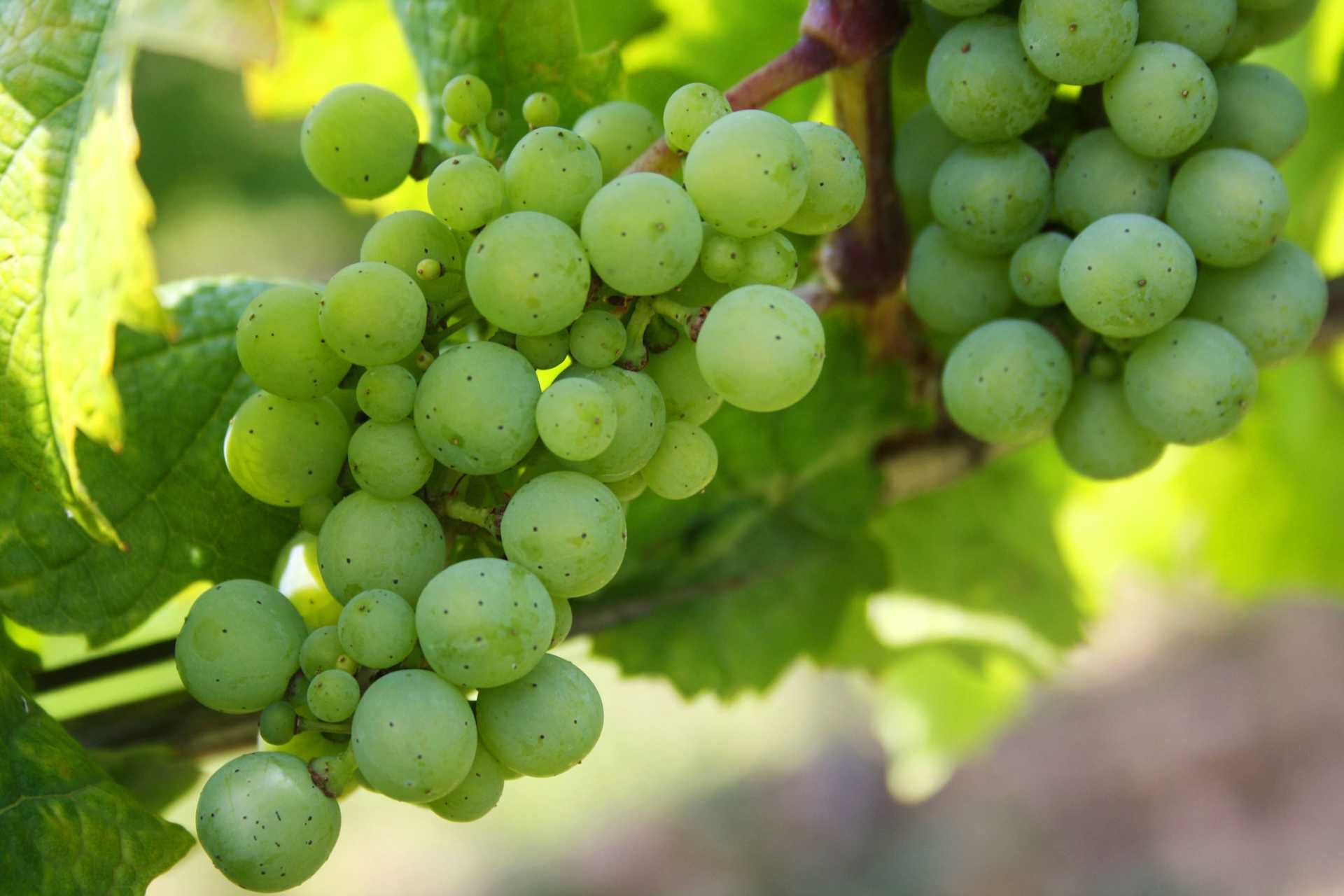
With hundreds of white grape varieties to choose from, winemakers have the freedom to create a virtually endless assortment of blended white wines. In many European regions, strict laws are in place determining the set of varieties that may be used in white wine blends, but in the New World, experimentation is permitted and encouraged. Blending can be utilized to enhance balance or create complexity, lending different layers of flavors and aromas. For example, a variety that creates a soft and full-bodied white wine blend, like Chardonnay, would do well combined with one that is more fragrant and naturally high in acidity. Sometimes small amounts of a particular variety are added to boost color or aromatics. Blending can take place before or after fermentation, with the latter, more popular option giving more control to the winemaker over the final qualities of the wine.
