


Winemaker Notes
Mas de la Rosa is a spectacular vineyard site that holds one of the most singular blocks owned by Celler Vall Llach. Tiny head-pruned Cariyeyna vines were planted between 1910 and 1930, which sits at more than 1,650 feet in altitude, at an inclination of >70%. Each-and-every vine contains the sacrifice of those who endured the incredibly rough landscape to plant, and replant, this inimitable vineyard throughout history, during economic times of extreme difficulty.
Professional Ratings
-
Decanter
Priorat has been almost as successful in our Best in Show pantheon as Barolo—this concrete-aged Carinyena is the region’s sixth laureate. This purity and finesse of this wine makes a convincing case for Carinyena as the pre-eminent variety for Priorat—and, contrariwise, for Priorat as the world’s greatest location for Carignan. It’s also a plaudit for concrete ageing, whether in egg or otherwise. The wine is a dark black-red in colour, and the aromas are less fruity than most; it’s one of those wines which seems to smell as much of a landscape as of fruit. It’s only two years old, yet the ageing has been so successfully managed that it has the seamlessness and harmony of a much older wine. On the palate, it is refined, graceful and shawl-like, full of lingering dark-fruit intensity but counterbalanced by the wine’s unstrenuous cashmere tannin and insinuating, palate-lapping acidity: extraordinary finesse for a variety often regarded as workmanlike elsewhere.
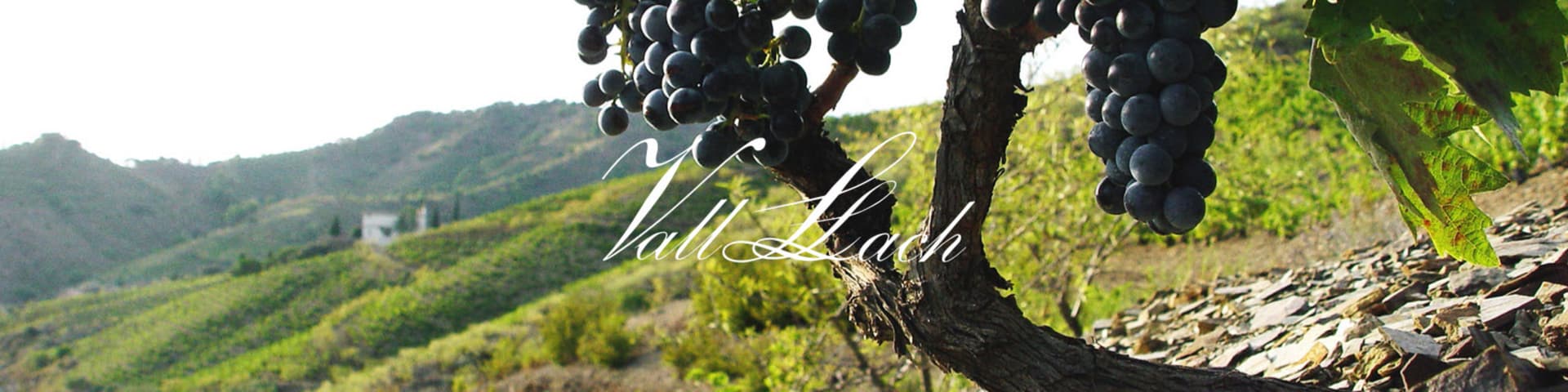


Old vines naturally produce low yields, and Vall Llach reduces yields even further through careful vineyard management for densely concentrated wines. Vineyards climb steep slate hillsides, receiving optimum sun exposure and beneficial water deprivation, further concentrating the fruit. Newer plantings of Garnacha, Cabernet Sauvignon, Merlot and Syrah add complexity to the old-vine character, and the resulting wines - Vall Llach, Idus, and Embruix - have received high critical acclaim.

Responsible for some of the most stunning old vine red wine on the planet, Carignan has an amazing capacity to survive dry, arid climates and still produce lovely, mouthwatering wine. In Spain it goes by the name of Mazuelo or Cariñena and while it may have originated there in the province of Aragón, its popularity lies elsewhere, particularly in Languedoc-Roussillon. Somm Secret—Historically Carignan did not enjoy the respect that it does today. In the mid 20th century, Carignan covered nearly 140,000 ha in Algeria, where it was made into low quality bulk and blending wine to supply mass-market demand.

Tiny and entirely composed of craggy, jagged and deeply terraced vineyards, Priorat is a Catalan wine-producing region that was virtually abandoned until the early 1990s. This Spanish wine's renaissance came with the arrival of one man, René Barbier, who recognized the region’s forgotten potential. He banded with five friends to create five “Clos” in the village of Gratallops. Their aim was to revive some of Priorat’s ancient Carignan vines, as well as plant new—mainly French—varieties. These winemakers were technically skilled, well-trained and locally inspired; not surprisingly their results were a far cry from the few rustic and overly fermented wines already produced.
This movement escalated Priorat’s popularity for a few reasons. Its new wines were modern and made with well-recognized varieties, namely old Carignan and Grenache blended with Syrah, Cabernet Sauvignon and Merlot. When the demand arrived, scarcity commanded higher prices and as the region discovered its new acclaim, investors came running from near and far. Within ten years, the area under vine practically doubled.
Priorat’s steep slopes of licorella (brown and black slate) and quartzite soils, protection from the cold winds of the Siera de Monstant and a lack of water, leading to incredibly low vine yields, all work together to make the region’s wines unique. While similar blends could and are produced elsewhere, the mineral essence and unprecedented concentration of a Priorat wine is unmistakable.