


Winemaker Notes
Notes of lemon curd, brioche and oyster shell introduce a bright, texturally expansive wine with a creamy mousse, built around a core of crisp acidity. The Charles Heintz Vineyard’s distinctive singature – also found in still Chardonnays from this site – shines forth loud and clear. It’s California origins are reflected by volume but not by sucrosity: the finish is crisp and dry.
Professional Ratings
-
Robert Parker's Wine Advocate
The 2014 Blanc de Blancs Heintz Vineyard (100% Chardonnay) was made using the traditional method and spent 12 months in barrel and 40 months on tirage, with two grams per liter dosage. It was disgorged in November of 2018. It has a rich, autolytic nose of baked brie, brioche and mushroom pastry with baked apples, dried hay, honeyed hazelnuts and hints of lemon cream. Medium-bodied, it has a good core of savory fruit with finely beaded mousse, juicy acidity and a long, savory finish. This has lots of life ahead. Less than 150 cases were made.


Representing the topmost expression of a Champagne house, a vintage Champagne is one made from the produce of a single, superior harvest year. Vintage Champagnes account for a mere 5% of total Champagne production and are produced about three times in a decade. Champagne is typically made as a blend of multiple years in order to preserve the house style; these will have non-vintage, or simply, NV on the label. The term, "vintage," as it applies to all wine, simply means a single harvest year.
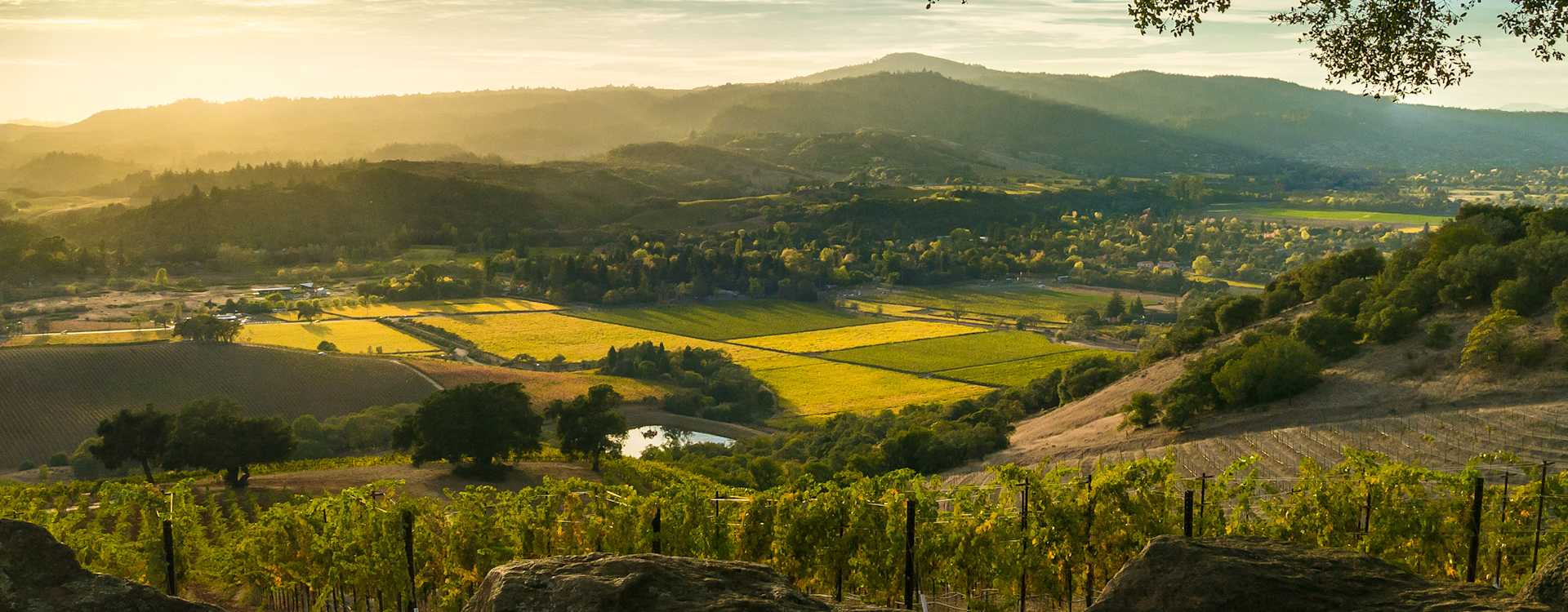
Home to a diverse array of smaller AVAs with varied microclimates and soil types, Sonoma County has something for every wine lover. Physically twice as large as Napa Valley, the region only produces about half the amount of wine but boasts both tremendous quality and variety. With its laid-back atmosphere and down-to-earth attitude, the wineries of Sonoma are appreciated by wine tourists for their friendliness and approachability. The entire county intends to become a 100% sustainable winegrowing region by 2019.
Sonoma County wines are produced with carefully selected grape varieties to reflect the best attributes of their sites—Dry Creek Valley’s consistent sunshine is ideal for Zinfandel, while the warm Alexander Valley is responsible for rich, voluptuous red wines like Cabernet Sauvignon. Chardonnay and Pinot Noir are important throughout the county, most notably in the cooler AVAs of Russian River, Sonoma Coast and Carneros. Sauvignon Blanc, Merlot and Syrah have also found a firm footing here.