


Winemaker Notes
From their very own Mae Estate Vineyard located on Highway 246 in the north corridor of the Sta. Rita Hills and planted in 2016, the soils here consist of Tierra Complex and Elder loam with marine sedimentary rock below. The Chardonnay sits on the lighter soils to the western portions of the vineyard, most conducive to Chardonnay and expressing the wonderful precision and minerality the Santa Rita Hills can offer.
Professional Ratings
-
Robert Parker's Wine Advocate
The 2021 Chardonnay Mae Estate opens with hints of chalk that give way to white peach, red apple, almonds and floral perfume on the nose. The palate has a textural breadth that emphasizes its deep core of savory fruit, and a foil of crisp acidity calls you back to the glass. It has a latent finish.Rating: 93+


One of the most popular and versatile white wine grapes, Chardonnay offers a wide range of flavors and styles depending on where it is grown and how it is made. While it tends to flourish in most environments, Chardonnay from its Burgundian homeland produces some of the most remarkable and longest lived examples. California produces both oaky, buttery styles and leaner, European-inspired wines. Somm Secret—The Burgundian subregion of Chablis, while typically using older oak barrels, produces a bright style similar to the unoaked style. Anyone who doesn't like oaky Chardonnay would likely enjoy Chablis.
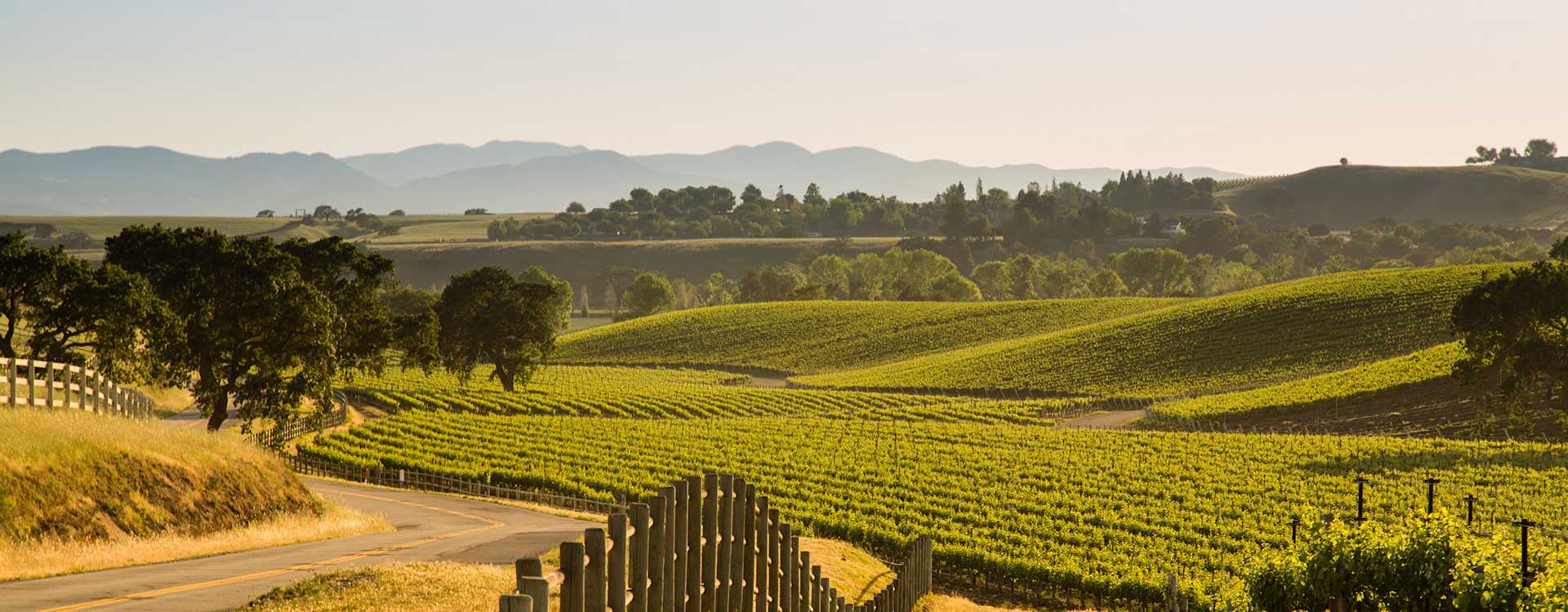
A superior source of California Chardonnay and Pinot Noir, Sta. Rita Hills is the coolest, westernmost sub-region of the larger Santa Ynez Valley appellation within Santa Barbara County. This relatively new AVA is unquestionably one to keep an eye on.
The climate of Sta. Rita Hills is a natural match for Chardonnay and Pinot noir, thanks to the crisp ocean breezes and well-drained, limestone-rich calcareous soil. Here, grapes ripen just enough, while retaining brisk acidity and harmonious balance.