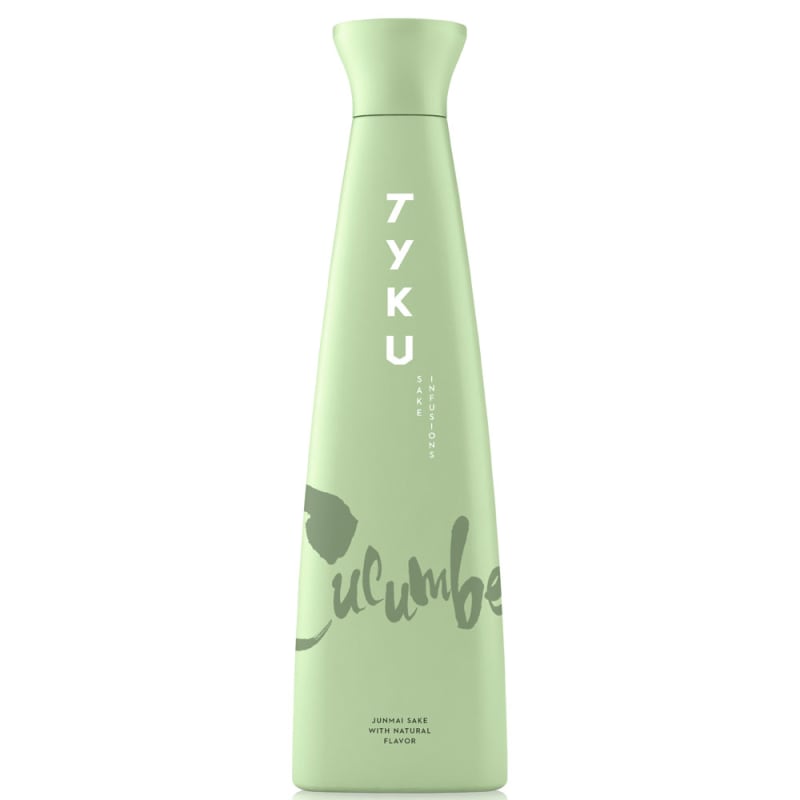
TYKU Cucumber Sake (720ML) Front Label

Winemaker Notes

The world's first cucumber sake. Delicate, light and refreshing with a smooth finish. TYKU Cucumber Sake is crafted from Junmai sake and infused with the all-natural crisp flavor of fresh cucumber. Enjoy this premium sake infusion chilled or in a delicious cocktail.
TYKU

TYKU

View all products
TYKU, undefined
TYKU TYKU Winery Video

TYKU is a premium Japanese sake brand that brings centuries of tradition into a modern, easy-to-enjoy experience. Brewed with all the care and dedication due Japan’s national beverage, TYKU is made with just four natural ingredients—non-GMO rice, pure water, yeast, and koji—resulting in a smooth, clean taste.

The clean alternative to wine with 12 to 15% alcohol by volume, TYKU is gluten-free, sulfite-free, tannin-free, and has five times less acidity than wine. It’s a better-for-you option that’s light, balanced, and perfect for any occasion.

TYKU offers a range of styles, from crisp and refreshing to rich and complex, making it approachable for both new and seasoned sake drinkers. It’s more than a drink—it’s a modern way to sip, share, and enjoy.

Image for Junmai content section
View all products

Since the categories of saké are established not by rice variety, but by their polishing or milling percentages, the saké with the lowest milling requirement, at no less than 30% milled, is simply called Junmai. This means that so that 70% of each rice grain remains. It is solely made of water, koji mold, yeast and rice. Junmai is also brewed in the absence of added alcohol. Some brewers, in search of other flavors, aromas and textures, will add a small amount of distilled alcohol during the brewing process. But the alcohol in any saké labeled Junmai will come purely from fermentation. Pair Junmai with rich flavors and heavily seasoned dishes like pork belly, teriyaki, smoked salmon and furikake.

Image for Japan content section
View all products

The introduction of the waterwheel in the 17th century, which eliminated the need for the manual polishing of rice grains, allowed Japan to begin producing saké at an industrial level for its greater population. Today Japan remains at the cutting edge of technology in its brewing practices. However, the traditional methods of handcrafted, artisanal saké remain alive in smaller and often family-owned breweries. Many of these showcase local ingredients and focus on microclimates to make what is known as ‘jizake,’ or regional saké.

SWS383347_0 Item# 251190