


Winemaker Notes
The 2022 Russian River Valley Pinot Noir leads with classic notes of cherry and cola with grapefruit and cardamom. Broad and generous, and the layered tannin structure of the mid-palate leads to a lively, bright finish.
This vintage features a limited-edition, commemorative label to celebrate 25 years of Twomey.
Professional Ratings
-
James Suckling
The 25th anniversary bottling of this Russian River Valley wine has beautiful, floral and cassis-like aromas, followed by a generous palate of black plums, black cherries and subtle pine and woodsy accents. Moderate tannins and a full body make for a mouth-filling and well-balanced expression.
-
Decanter
One-third of the Pinot Noir grapes come from two sites in the Russian River Valley: Bailey and Pinot Hill vineyards. Two-thirds are from Twomey's 'Last Stop' estate in Russian River's Green Valley sub-appellation. The site is planted to heritage clones of Calera, Mt. Eden, Swan, and Burgundy Dijon clones. They developed a hillside in 2017, and they imported some clones from their Prince Hill property in Oregon, which they bought in 2017. Elegant red berry fruit is laced with vanilla and cedarwood. Emerging brown spices layer in nuance on this medium-bodied Pinot Noir, which boasts plenty of dark fruit concentration with plush textures and ripe tannins. There's a lovely floral lift on the finish.
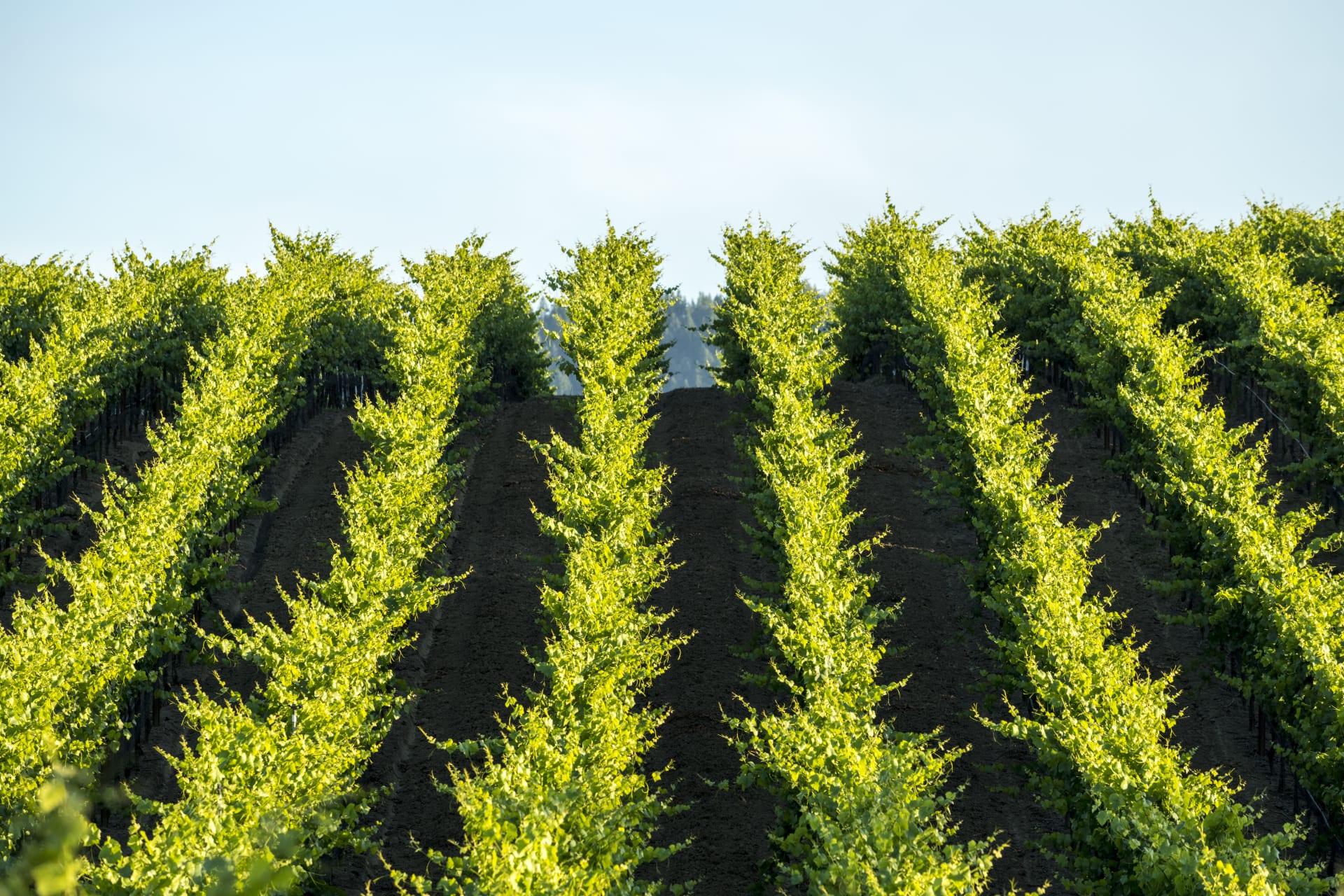




While the Russian River Valley is a large appellation with multiple climate zones and soil types, it is best known for cool-climate varieties, with Pinot Noir as the most celebrated. The grapes benefit from a reliable late afternoon flow of Pacific Ocean fog through the Petaluma Gap and along the Russian River Valley that ensures slow and steady ripening and the preservation of grape acidity. Today many of California’s most highly regarded Pinot Noir vineyards are in the Russian River Valley, along with its sub-appellation, Green Valley.
Historically Russian River Valley Pinot Noirs had bright red fruit and delicate earthy, mineral notes. But changes in viticultural and winemaking practices have led to stylistic changes in some of the region’s wines. Adjustments to canopy management, among other techniques, have resulted in riper fruit and bolder wines as well. These show flavors of black cherry, blackberry, cola, spice and darker, loamy earth tones, accenting traditional Pinot Noir notes of strawberry, raspberry and light cherry.