


Winemaker Notes
Though the blend has changed over the years, The White Coat (named for Larry’s past as an Emergency Room physician) is composed of white Rhône grapes from three of their Estate vineyards across California. The rich, textured Roussanne from Rattlesnake Ridge on Howell Mountain in Napa is moderated by acidity and structure provided by the Grenache Blanc grown in the calcareous soils of the Pesenti Vineyard in Paso Robles. Finally, the blend is rounded out with a touch of refreshing, mineral Vermentino (also known as Rolle) from the granitic and quartz-laden Cobb Vineyard in Amador. The
result is an exceptional, dynamic white wine that is truly California.
Exquisitely aromatic, with white flowers, ripe stone fruit, and crushed minerals on the nose. With great acidity and 13.8% abv the wine is lithe on the mid-palate, while maintaining the substantial body and finish we love so much about this unique California white wine. Since it sees all French oak barrels (of which only 10% are new) and we don’t stir the lees, all the of texture comes from the grapes themselves. This is a serious white wine, the likes of which you can’t find anywhere else!
Professional Ratings
-
Robert Parker's Wine Advocate
A bottling originally produced for Hospices du Rhône that's now made from estate fruit, the 2016 The White Coat is a blend of 40% Roussanne (from Howell Mountain), 40% Grenache Blanc (from Paso) and 20% Vermentino (from Amador County). Offering up aromas of yellow orchard fruit, white flowers and candle wax, it's medium to full-bodied, textural and ample but juicy, with a succulent profile and chewy extract.


Full-bodied and flavorful, white Rhône blends originate from France’s Rhône Valley. Today these blends are also becoming popular in other regions. Typically some combination of Grenache Blanc, Marsanne, Roussanne and Viognier form the basis of a white Rhône blend with varying degrees of flexibility depending on the exact appellation. Somm Secret—In the Northern Rhône, blends of Marsanne and Roussanne are common but the south retains more variety. Marsanne, Roussanne as well as Bourboulenc, Clairette, Picpoul and Ugni Blanc are typical.
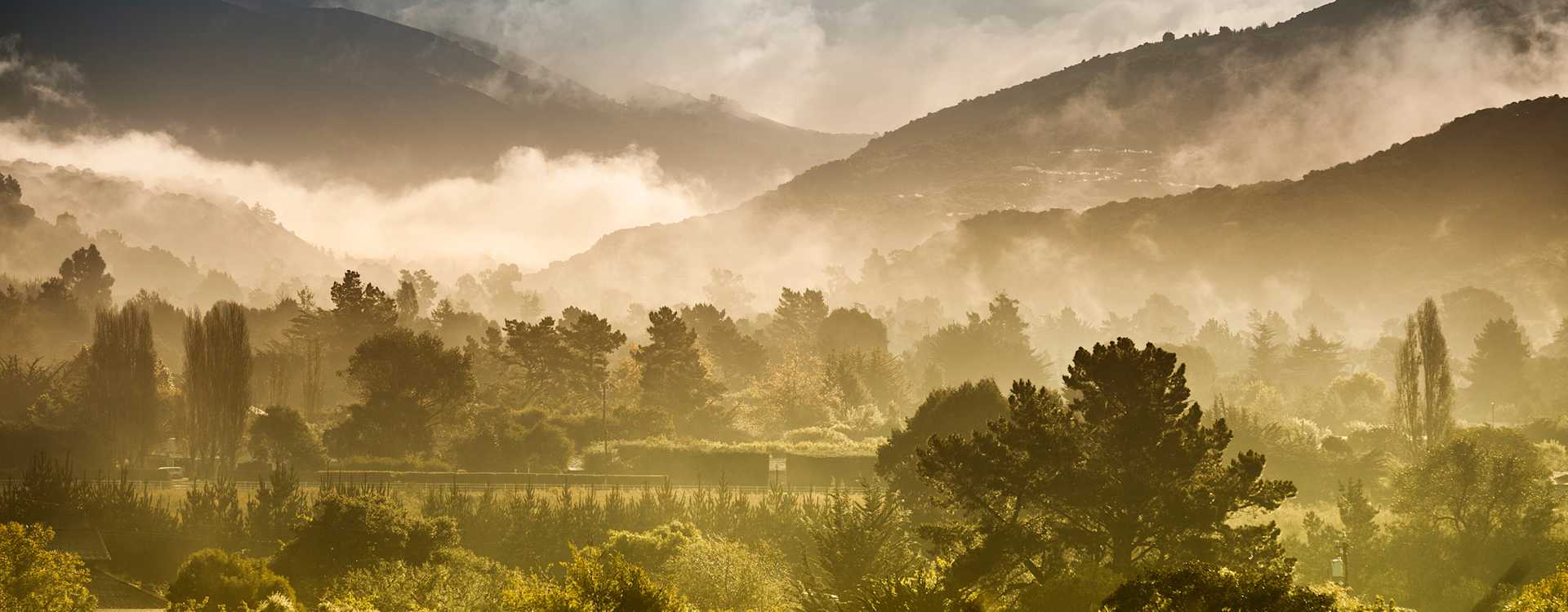
The largest and perhaps most varied of California’s wine-growing regions, the Central Coast produces a good majority of the state's wine. This vast California wine district stretches from San Francisco all the way to Santa Barbara along the coast, and reaches inland nearly all the way to the Central Valley.
Encompassing an extremely diverse array of climates, soil types and wine styles, it contains many smaller sub-AVAs, including San Francisco Bay, Monterey, the Santa Cruz Mountains, Paso Robles, Edna Valley, Santa Ynez Valley and Santa Maria Valley.
While the Central Coast California wine region could probably support almost any major grape varietiy, it is famous for a few Central Coast reds and whites. Pinot Noir, Chardonnay, Cabernet Sauvignon and Zinfandel are among the major ones. The Central Coast is home to many of the state's small, artisanal wineries crafting unique, high-quality wines, as well as larger producers also making exceptional wines.