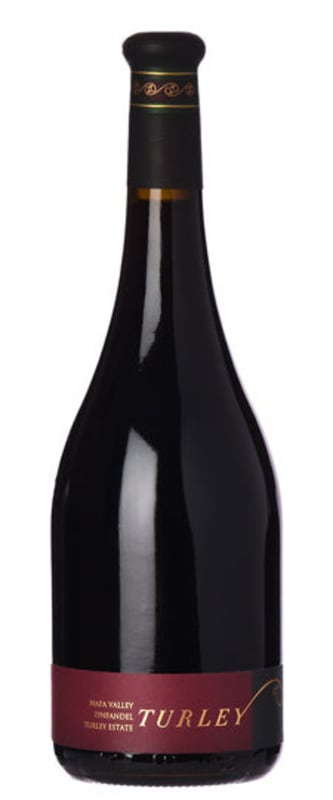


Winemaker Notes
Certified organic, head-trained, dry-farmed field blend of vines planted at their winery in the heart of Napa Valley. Gently warmed, ripe dark fruits, classic Napa purity and dynamics. Refined rusticity, dialed-in and concentrated, with gentle tannins. Very well balanced and drinking excellently now.
Professional Ratings
-
Jeb Dunnuck
These Napa estate vines were planted in 1996 and include Carignan, Petite Sirah, and a bit of field blend. The 2023 Zinfandel Estate Vineyard has notable refreshing appeal compared to the richer, more decadent Paso wines. Notes of licorice and graphite remain, but the fruity and floral character rises above, with lavender and fresh wildflowers. Full-bodied, but really much more medium-bodied in feel, the wine stays light on its feet.
-
Wine Spectator
Deeply structured and detailed, with rich blackberry and tart cherry flavors blending with briar patch, white pepper and savory anise notes that build tension toward medium-grained tannins. Drink now through 2035.
-
Vinous
The 2023 Zinfandel Turley Estate is soft, open-knit and quite accessible. As such, it should drink well with minimal cellaring. Crushed flowers, white pepper, mint and chalk lend tons of aromatic nuance to this chiseled, high-toned Zinfandel.
Range: 90-92


Undoubtedly proving its merit over and over, Napa Valley is a now a leading force in the world of prestigious red wine regions. Though Cabernet Sauvignon dominates Napa Valley, other red varieties certainly thrive here. Important but often overlooked include Merlot and other Bordeaux varieties well-regarded on their own as well as for their blending capacities. Very old vine Zinfandel represents an important historical stronghold for the region and Pinot noir is produced in the cooler southern parts, close to the San Pablo Bay.
Perfectly situated running north to south, the valley acts as a corridor, pulling cool, moist air up from the San Pablo Bay in the evenings during the hot days of the growing season, which leads to even and slow grape ripening. Furthermore the valley claims over 100 soil variations including layers of volcanic, gravel, sand and silt—a combination excellent for world-class red wine production.