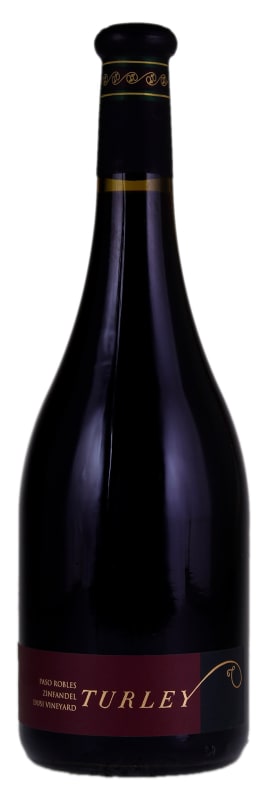


Winemaker Notes
Planted 1945 and still farmed by the Dusi family to this day, this wine is one of the most plush and hedonistic they make at Turley. Fragrant, ripe red fruits at the forefront, with lift, energy, and approachability. Raspberry preserves and a hint of chocolate on the palate, with a luscious, velvety, prolonged finish.
Professional Ratings
-
Wine Spectator
A seductive Zin that's rich and polished yet handsomely structured, with detailed flavors of raspberry, cranberry, roasted sage and loamy white pepper that end with big but refined tannins.
-
Vinous
The 2022 Zinfandel Dusi Vineyard is racy, silky and super-expressive. Crushed flowers, Kirsch, sweet red berry fruit, mint, white pepper and citrus are all beautifully lifted in this sculpted, vibrant, mid-weight Paso Robles Zinfandel.
Range: 91-94 -
Robert Parker's Wine Advocate
The 2022 Zinfandel Dusi Vineyard is pale ruby-garnet in color, showing a plethora of red berry fruit, dried orange peel, raspberry preserves, new leather and botanical perfume that hangs in the background alongside hints of ethanol-driven heat. The palate is surprisingly red-fruited and light on its feet with a high-toned, lifted energy and an approachable texture. The finish is beamingly bright and acid-driven—so much so that it comes off as slightly disjointed at this early stage—and transitions to a long, complex finish.


Unapologetically bold, spice-driven and jammy, Zinfandel has secured its title as the darling of California vintners by adapting well to the state's diverse microclimates and landscapes. Born in Croatia, it later made its way to southern Italy where it was named Primitivo. Fortunately, the imperial nursery of Vienna catalogued specimens of the vine, and it later made its way to New England in 1829. Parading the true American spirit, Zinfandel found a new home in California during the Gold Rush of 1849. Somm Secret—California's ancient vines of Zinfandel are those that survived the neglect of Prohibition; today these vines produce the most concentrated, ethereal and complex examples.
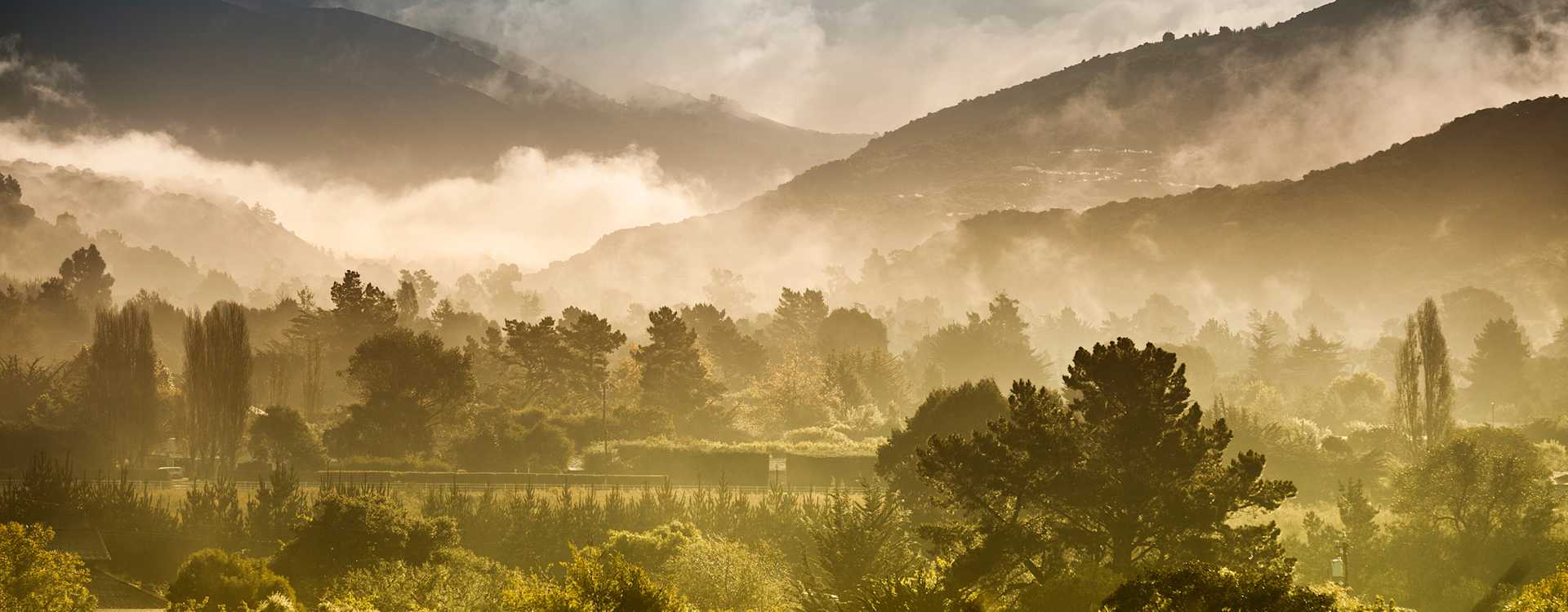
Pacific ocean breezes enter through the gap for which it is named. The Templeton Gap District is characterized by cooler days and nights and is made of broad alluvial terraces with vineyards at elevations of 700 to 1,800 feet.