


Winemaker Notes
One whiff of the Duarte tells you everything you need to know about where this wine comes from. Notes of dark-skinned stone fruits, driftwood, and a bracing shoreline breeze convey the windswept sands of Contra Costa as clearly as if you were standing in the beach-like soils yourself. The palate is only further proof: suave tannins, smooth yet textured, velvety with a hint of grip, almost like peach fuzz. The type of dynamic fruit, acid, and tannin balance that can only come from ancient vines deeply rooted in the sandy soils of Northern California. Perfectly stellar from the first pour. If you’ve ever dreamed of renting a remote beach cottage in winter where you can walk your dog along the shore during the day and write your novel by a crackling fire at night, this wine is for you.
Professional Ratings
-
Robert Parker's Wine Advocate
The 2019 Zinfandel Duarte has a deep ruby-purple color and gregarious perfume of blueberry and blackberry preserves with hints of peaches, aniseed, tar and dried flowers. The palate is medium-bodied, soft, perfumed and approachable with lots of juicy lift on the finish.


Unapologetically bold, spice-driven and jammy, Zinfandel has secured its title as the darling of California vintners by adapting well to the state's diverse microclimates and landscapes. Born in Croatia, it later made its way to southern Italy where it was named Primitivo. Fortunately, the imperial nursery of Vienna catalogued specimens of the vine, and it later made its way to New England in 1829. Parading the true American spirit, Zinfandel found a new home in California during the Gold Rush of 1849. Somm Secret—California's ancient vines of Zinfandel are those that survived the neglect of Prohibition; today these vines produce the most concentrated, ethereal and complex examples.
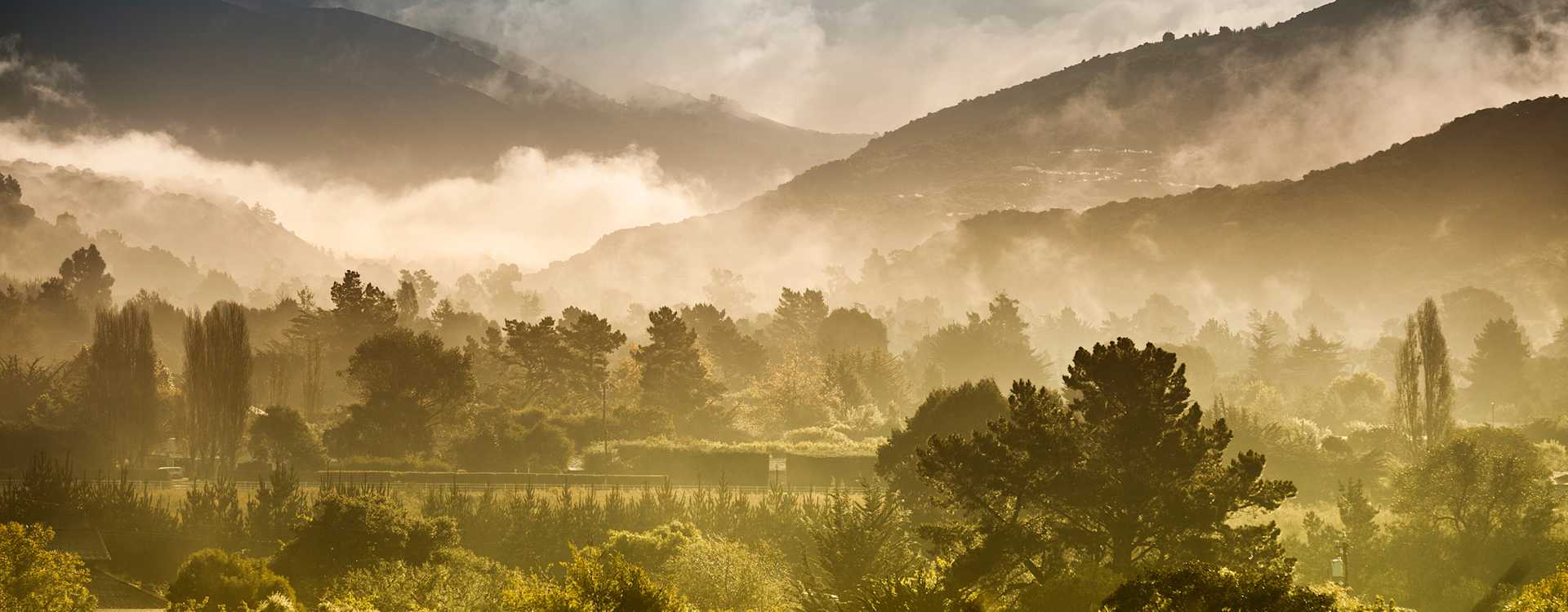
A large Northern California appellation centered on the San Francisco Bay Area, the San Francisco Bay AVA falls within the larger Central Coast AVA. The smaller appellations of Livermore Valley, Pacheco Pass, San Ysidro District and Santa Clara Valley AVAs fall within the San Francisco Bay boundaries, and all produce high-quality Central Coast wines.