


Winemaker Notes
Deep ruby red. Inviting aromas of red fruits, black pepper, cinnamon, vanilla and smoke. Rich and ripe red fruits with a powerful and well-structured body, rounded out with persistent yet pleasurable tannins with maximum appeal.
Professional Ratings
-
Tasting Panel
It is enduringly amazing how flavorful wines from the rain shadow on the Argentine side of the Andes can be even at approachable prices. Blended from Malbec and Cabernet Sauvignon, this expression is full-bodied and likewise full of dark fruit that is ripe enough to seem sweet without being sugary. Dark berry flavors show excellent intensity and staying power on the palate, where tannin tugs gently on the finish.
-
James Suckling
Sweet tobacco and some blackcurrants. A hint of milk chocolate and sweet spices. Round, medium- to full-bodied on the palate with sweet black cherry fruit and a ripe but juicy finish. 50% malbec from Lujan and 50% cabernet sauvignon from Uco.
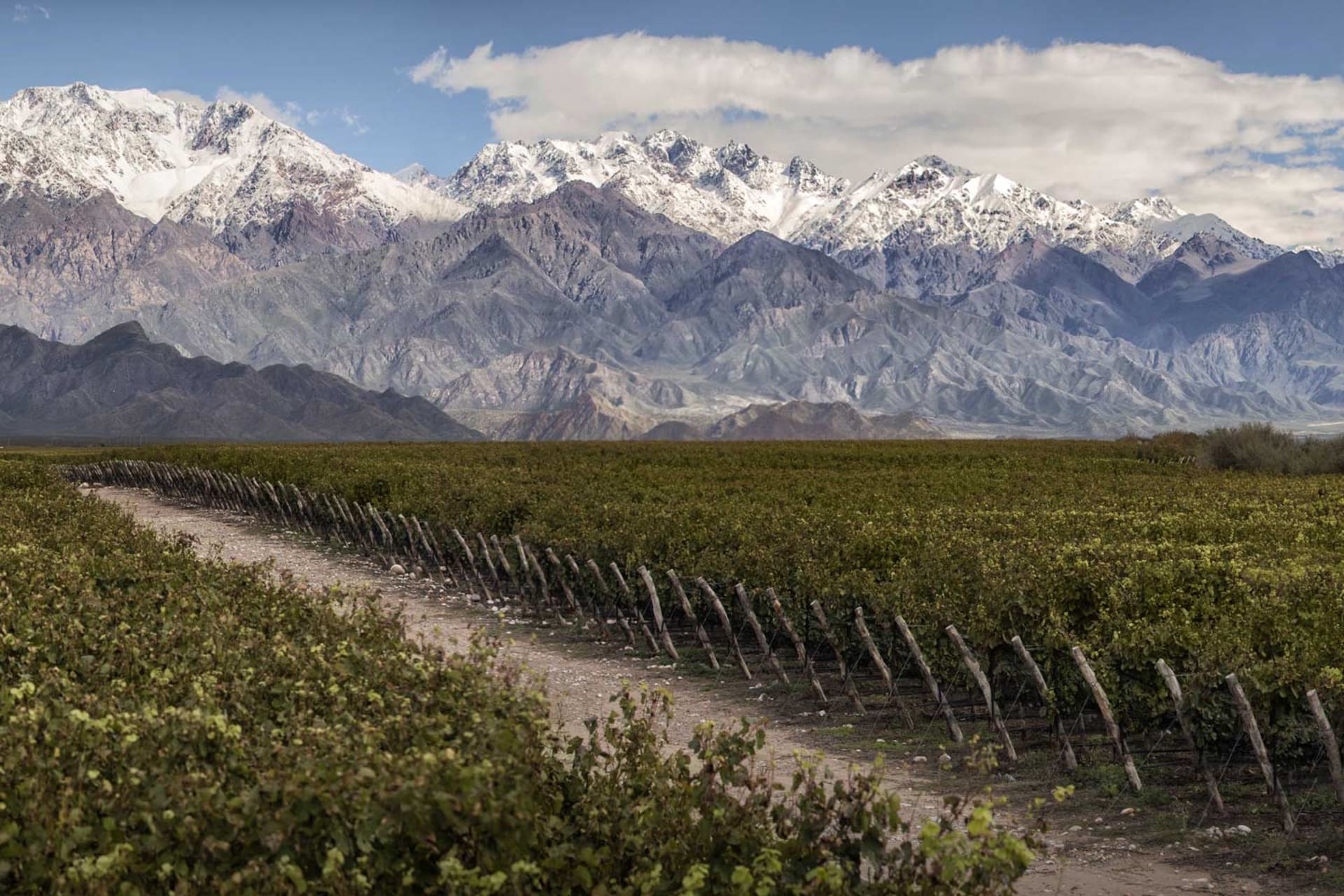





The Trivento portfolio of fine wines was founded in 1996 and is a true expression of Argentine wines, with more than 1,500 hectares of vineyards.
Trivento is named for the three winds that influence its vineyards in Mendoza, Argentina: the Polar, a cold wind from the south; the Zonda, a warming western wind sweeping down off of the Andes; and the Sudestada, or southeast blow, which brings freshness from the Atlantic and Río Plata estuary to the vineyards. At the foot of the Andes, strains of vines originating in the Old World are at home with terroirs of generous sun and careful hands.

One of the world’s most classic and popular styles of red wine, Bordeaux-inspired blends have spread from their homeland in France to nearly every corner of the New World. Typically based on either Cabernet Sauvignon or Merlot and supported by Cabernet Franc, Malbec and Petit Verdot, the best of these are densely hued, fragrant, full of fruit and boast a structure that begs for cellar time. Somm Secret—Blends from Bordeaux are generally earthier compared to those from the New World, which tend to be fruit-dominant.

By far the largest and best-known winemaking province in Argentina, Mendoza is responsible for over 70% of the country’s enological output. Set in the eastern foothills of the Andes Mountains, the climate is dry and continental, presenting relatively few challenges for viticulturists during the growing season. Mendoza, divided into several distinctive sub-regions, including Luján de Cuyo and the Uco Valley, is the source of some of the country’s finest wines.
For many wine lovers, Mendoza is practically synonymous with Malbec. Originally a Bordelaise variety brought to Argentina by the French in the mid-1800s, here it found success and renown that it never knew in its homeland where a finicky climate gives mixed results. Cabernet Sauvignon, Syrah, Merlot and Pinot Noir are all widely planted here as well (and sometimes even blended with each other or Malbec). Mendoza's main white varieties include Chardonnay, Torrontés, Sauvignon Blanc and Sémillon.