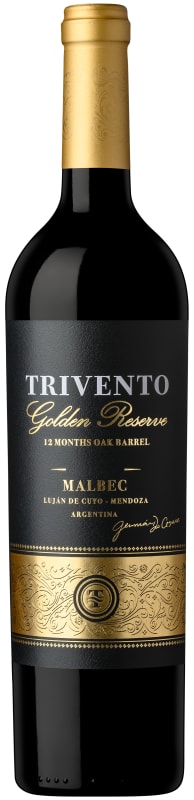


Winemaker Notes
Intense red with violet tints. The aromatic profile expresses the sharpness of red fruits such as raspberries and blackberries. Intense and deep on the nose. Full-bodied palate with vibrant tannins. Round structure and a juicy finish.
Professional Ratings
-
James Suckling
A very solid malbec here with black cherries, blackberries and a touch of dark chocolate and violets. There is a racy strawberry, red-fruit character, too. Excellent balance between freshness and ripeness here. Tannins are silky and present. Long and precise. Great value for a wine at this price point. Drink now or hold.
-
Vinous
The 2021 Malbec Golden Reserve is sourced from Luján de Cuyo. Aged for 12 months, with 95% in French oak barrels (20% new) and 5% in foudres, this purple wine reveals notes of plum and blackberry. Balsamic and bay leaf hints rest against an oaky, cedar-like backdrop. Dry, rich and plush on the palate, the fairly juicy mouthfeel lingers long with a ripe fruit flavor. This is an intense, overwhelming, crystal-clear Luján Malbec.
-
Tasting Panel
Medium weight, with juicy plum and spiced tobacco. Notes of coffee, cherry, and vanilla leave a satisfying trace on the finish.
-
Wine Spectator
Dried hibiscus and herbal details lead to a mix of peppery raspberry flavors in this elegant version, with stony minerality underneath, ending with polished tannins. Drink now. 95,000 cases made, 12,000 cases imported.
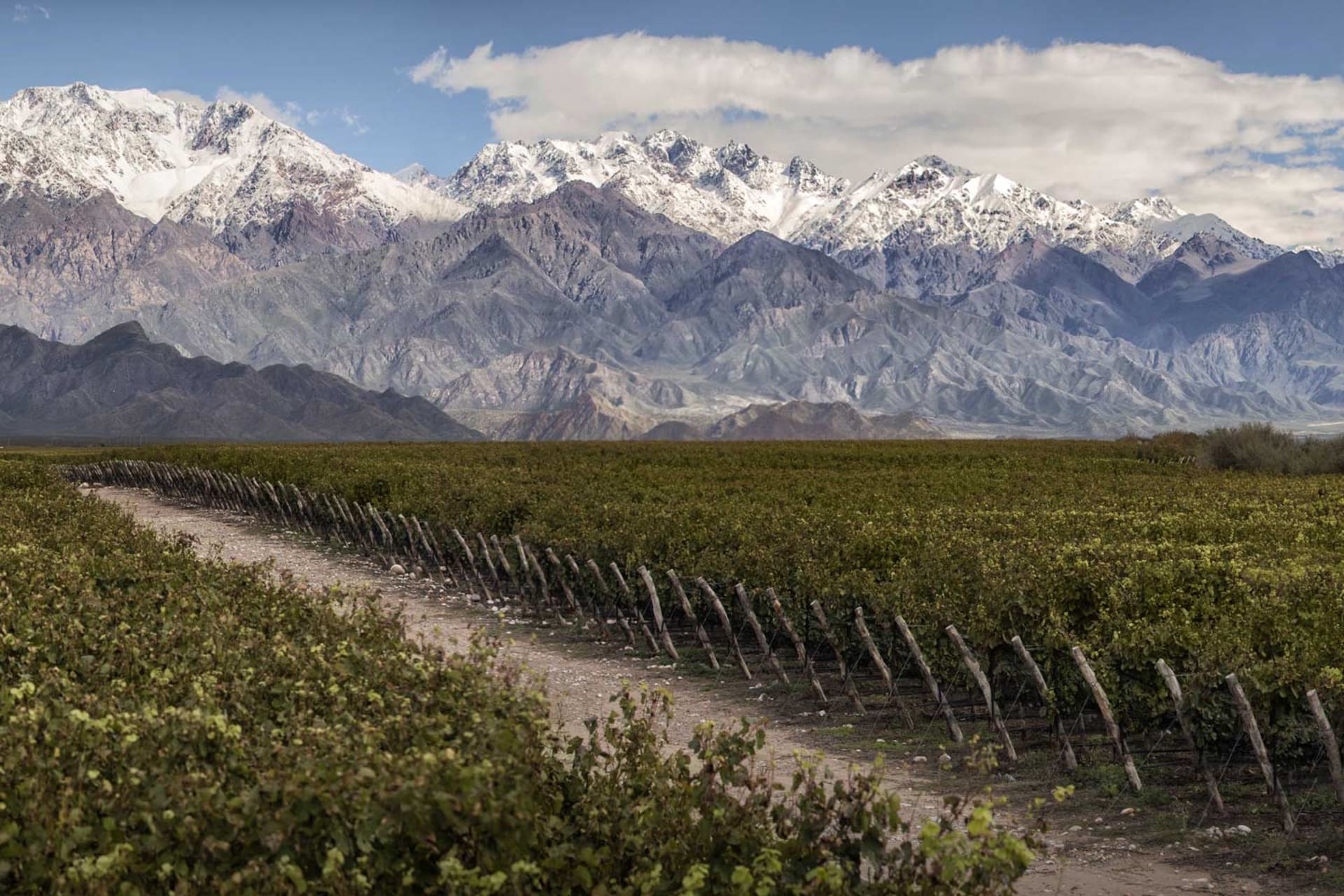





The Trivento portfolio of fine wines was founded in 1996 and is a true expression of Argentine wines, with more than 1,500 hectares of vineyards.
Trivento is named for the three winds that influence its vineyards in Mendoza, Argentina: the Polar, a cold wind from the south; the Zonda, a warming western wind sweeping down off of the Andes; and the Sudestada, or southeast blow, which brings freshness from the Atlantic and Río Plata estuary to the vineyards. At the foot of the Andes, strains of vines originating in the Old World are at home with terroirs of generous sun and careful hands.

Celebrated for its bold flavors and supple texture, Malbec has enjoyed runaway success in Argentina since the late 20th century. The grape originated in Bordeaux, France, where it historically contributed color and tannin to blends. A French agronomist, who saw great potential for the variety in Mendoza’s hot, high-altitude landscape, brought Malbec to Argentina in 1868. Somm Secret—If you’re trying to please a crowd, Malbec is generally a safe bet with its combination of dense fruit and soft tannins.

By far the largest and best-known winemaking province in Argentina, Mendoza is responsible for over 70% of the country’s enological output. Set in the eastern foothills of the Andes Mountains, the climate is dry and continental, presenting relatively few challenges for viticulturists during the growing season. Mendoza, divided into several distinctive sub-regions, including Luján de Cuyo and the Uco Valley, is the source of some of the country’s finest wines.
For many wine lovers, Mendoza is practically synonymous with Malbec. Originally a Bordelaise variety brought to Argentina by the French in the mid-1800s, here it found success and renown that it never knew in its homeland where a finicky climate gives mixed results. Cabernet Sauvignon, Syrah, Merlot and Pinot Noir are all widely planted here as well (and sometimes even blended with each other or Malbec). Mendoza's main white varieties include Chardonnay, Torrontés, Sauvignon Blanc and Sémillon.