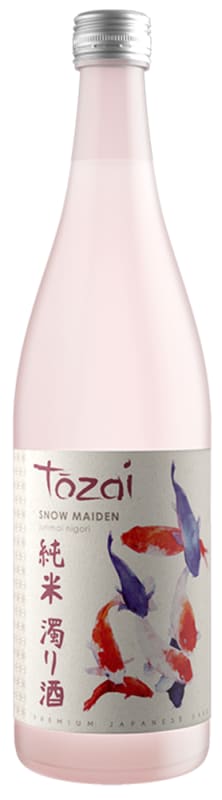


Winemaker Notes
This sake is named after Hanako, or "Flower Maiden," the most famous Japanese koi fish that lived for 226 years in the snowy, icy waters at the foot of Japan's Mt. Ontake.
Bright and fresh with a lovely ricey and fruity combination. Flavors of honeydew melon, raw pumpkin, and radish. Creamy texture and full body.
Drink with spicy foods like curry or spicy tuna poke.
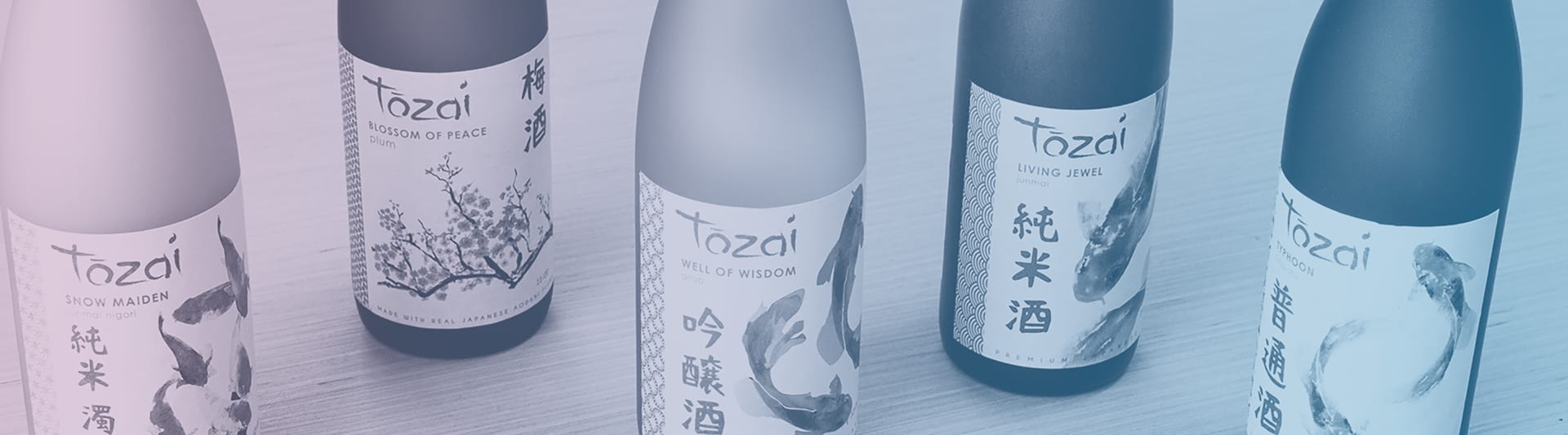



Junmai means “pure rice” as all Junmai saké is made without the addition of brewer’s alcohol in the process. Junmai Nigori saké is made purely from rice, water, yeast and koji with coarse filtration or pressing, resulting in a cloudy appearance and a creamy, expansive texture. Junmai Nigori pairs well with foods that have a hint of sweetness or umami flavors.

The introduction of the waterwheel in the 17th century, which eliminated the need for the manual polishing of rice grains, allowed Japan to begin producing saké at an industrial level for its greater population. Today Japan remains at the cutting edge of technology in its brewing practices. However, the traditional methods of handcrafted, artisanal saké remain alive in smaller and often family-owned breweries. Many of these showcase local ingredients and focus on microclimates to make what is known as ‘jizake,’ or regional saké.