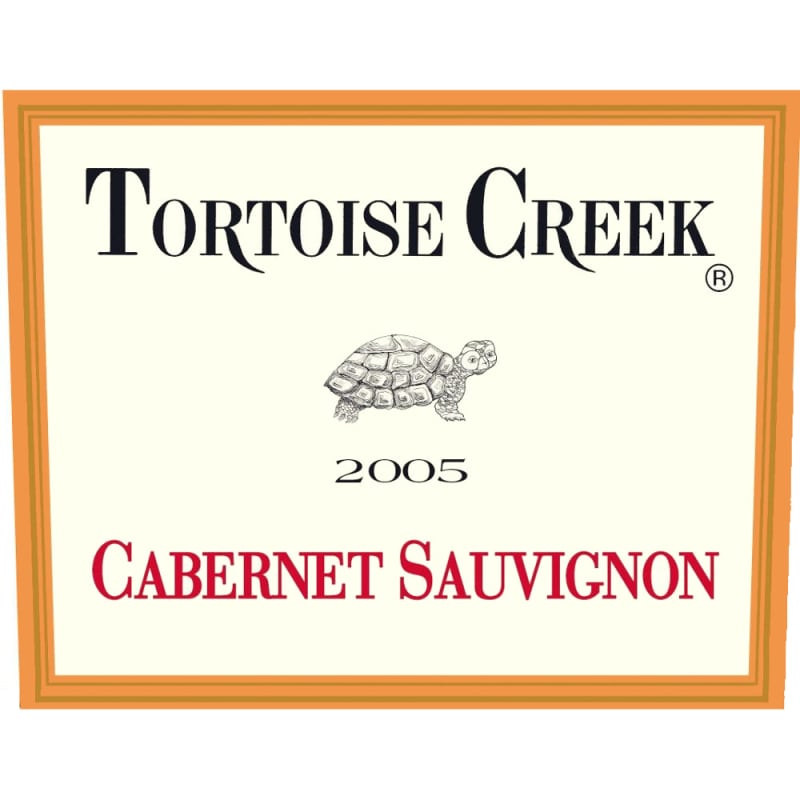

Winemaker Notes
Wine Spectator – 87 points, BEST VALUE "Good intensity to the juicy dark plum, berry and appealing herbal flavors. A fine Cabernet from the south of France, with touches of richness on the finish."
Robert Parker's, The Wine Advocate – 87 points "Displays aromas of blackberries... it reveals a black fruit-laced core that is chunky, hugely flavorful, and studded with notes of licorice. This fine value would be at its best if served with a grilled steak."


A noble variety bestowed with both power and concentration, Cabernet Sauvignon enjoys success all over the globe, its best examples showing potential to age beautifully for decades. Cabernet Sauvignon flourishes in Bordeaux's Medoc where it is often blended with Merlot and smaller amounts of some combination of Cabernet Franc, Malbecand Petit Verdot. In the Napa Valley, ‘Cab’ is responsible for some of the world’s most prestigious, age-worthy and sought-after “cult” wines. Somm Secret—DNA profiling in 1997 revealed that Cabernet Sauvignon was born from a spontaneous crossing of Cabernet Franc and Sauvignon Blanc in 17th century southwest France.

An extensive appellation producing a diverse selection of good quality and great values, Languedoc spans the Mediterranean coast from the Pyrenees mountains of Roussillon all the way to the Rhône Valley. Languedoc’s terrain is generally flat coastal plains, with a warm Mediterranean climate and frequent risk of drought.
Virtually every style of wine is made in this expansive region. Most dry wines are blends with varietal choice strongly influenced by the neighboring Rhône Valley. For reds and rosés, the primary grapes include Grenache, Syrah, Carignan, Cinsault and Mourvèdre. White varieties include Grenache Blanc, Muscat, Ugni Blanc, Vermentino, Macabéo, Clairette, Piquepoul and Bourbelenc.
International varieties are also planted in large numbers here, in particular Chardonnay, Sauvignon Blanc and Cabernet Sauvignon.
The key region for sparkling wines here is Limoux, where Blanquette de Limoux is believed to have been the first sparkling wine made in France, even before Champagne. Crémant de Limoux is produced in a more modern style.