

Winemaker Notes
Professional Ratings
-
Wilfred Wong of Wine.com
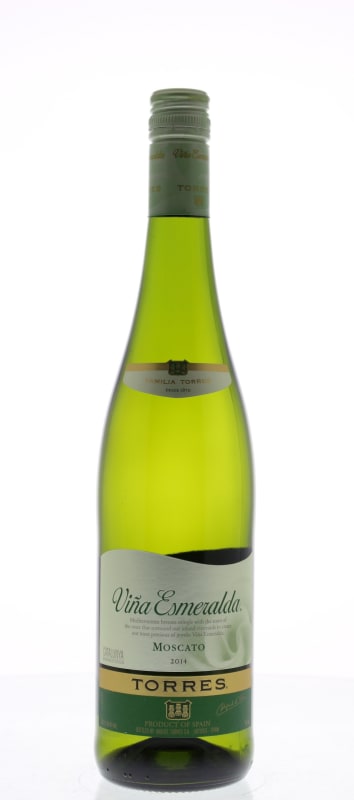
One of my favorite Muscat from anywhere in the world, the 2014 Torres Vina Esmeralda is at once serious and fun. This wine excels with its delightful aromatics—ripe fruits and citrus are on the forefront—and combines them with chalk, dust, and earth keeping it well in the realm of being a food service as opposed to existing merely for cocktails. Its lively and bright finish pair it well with roasted poultry—perhaps the Thanksgiving bird if you prefer Old World wines. (Tasted: November 15, 2017, San Francisco, CA)


While Muscat comes in a wide range of styles from dry to sweet, still to sparkling and even fortified, it's safe to say it is always alluringly aromatic and delightful. The two most important versions are the noble, Muscat Blanc à Petits Grains, making wines of considerable quality and Muscat of Alexandria, thought to be a progeny of the former. Somm Secret—Pliny the Elder wrote in the 13th century of a sweet, perfumed grape variety so attractive to bees that he referred to it as uva apiana, or “grape of the bees.” Most likely, he was describing Muscat.

A superior source of white grapes for the production of Spain’s prized sparkling wine, Cava, the Penedes region is part of Catalunya and sits just south of Barcelona. Medio Penedès is the most productive source of the Cava grapes, Macabeo, Xarel-lo, and Parellada. Penedes also grows Garnacha and Tempranillo (here called Ull de Llebre in Catalan), for high quality reds and rosès.