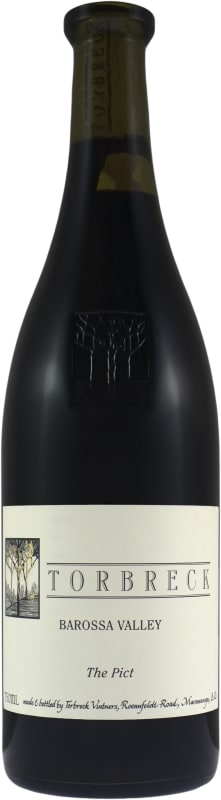


Winemaker Notes
A brooding and muscular black fruit accented Mataro known for its complexities of mineral, ironstone, blood and gamey notes balanced by liquorice and dark black plums. A wine that is loved by the sommelier community for its deceptive weight and freshness balanced by savoury earthy notes.
Professional Ratings
-
James Suckling
This is a single parcel of 1901 vines and has very spicy, blueberry and sarsaparilla character with plum pastry-like notes. The palate has majestic tannins and carries rich, dark-berry and some chocolate flavors. Long, layered and compressed, supple tannins. Classic old-vine texture. Drink now.
-
Wine Enthusiast
This Mataro (Mourvèdre) offers all of the charm and polish of Torbreck's fine red wines, with the price tag to go with it. The cooler 2017 vintage adds a lovely lift and elegance to this wine. Cherry cola and vanilla mingles with raspberry and black currant with a varietal character of dried herbs and spices there, too. Tannins are taut and sinewy, nicely juxtaposing the silky, juicy fruit. There's a good lick of high-end oak showing at the moment, but overall this is a precise, balanced wine to drink now with protein


Full of ripe fruit, and robust, earthy goodness, Mourvèdre is actually of Spanish provenance, where it still goes by the name Monastrell or Mataro. It is better associated however, with the Red Blends of the Rhône, namely Chateauneuf-du-Pape. Mourvèdre shines on its own in Bandol and is popular both as a single varietal wine in blends in the New World regions of Australia, California and Washington. Somm Secret—While Mourvèdre has been in California for many years, it didn’t gain momentum until the 1980s when a group of California winemakers inspired by the wines of the Rhône Valley finally began to renew a focus on it.

Historically and presently the most important wine-producing region of Australia, the Barossa Valley is set in the Barossa zone of South Australia, where more than half of the country’s wine is made. Because the climate is very hot and dry, vineyard managers work diligently to ensure grapes reach the perfect levels of phenolic ripeness.
The intense heat is ideal for plush, bold reds, particularly Shiraz on its own or Rhône Blends. Often Shiraz and Cabernet partner up for plump and powerful reds.
While much less prevalent, light-skinned varieties such as Riesling, Viognier or Semillon produce vibrant Barossa Valley whites.
Most of Australia’s largest wine producers are based here and Shiraz plantings date back as far as the 1850s or before. Many of them are dry farmed and bush trained, still offering less than one ton per acre of inky, intense, purple juice.