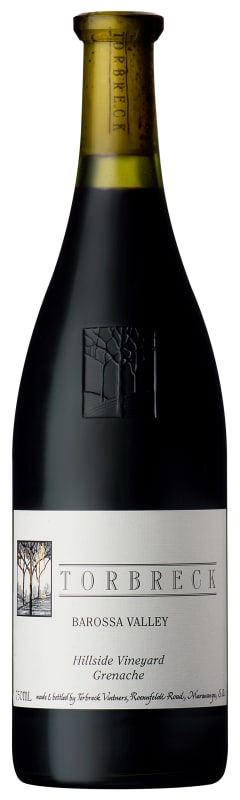


Winemaker Notes
Crimson with deep purple core.Aromas of liquorice and aniseed, deep red and black fruits - pomegranate and blackberry. Hints of earth and clove. Medium to full-bodied, plush, round palate weight with firm tannin grip. This unique parcel has all the bright, opulent fruit characteristics that we look for in dry grown Grenache combined with lavender, deep black berry fruit intensity and a seamless tannin profile due to a partial whole-bunch fermentation. The rich, luxuriant fruit was further enhanced by barrel maturation in a second fill 2400 litre ‘Boutes’ French oak Foudre barrel, which perfectly balances the wine style we were looking to achieve. Pairs well with grilled, stewed, and braised meats like beef, veal, pork and chicken.
Professional Ratings
-
Robert Parker's Wine Advocate
The 2016 Hillside Vineyard Grenache leads with tar and roasted meat, pomegranate, redcurrant and tapenade. On the palate, the wine is savory and silky, with a core of red fruit that abstains from sweetness but is pure, in its way. There are notes of autumn leaves, old leather, pomegranate molasses and licorice. This is moving into its second decade from harvest, and the wine has many more in front of it. 15.5% alcohol, sealed under natural cork.
-
Wine Enthusiast
From a small block of bush vines planted in 1949, this Grenache is ultrapolished while also being hugely characterful. It leads with a nose of brambly fruit and orange peel, garrigue-like herbs and spices, citrus blossoms and sandalwood. The fruit on the palate is tangy (the citrus note on display) and wound tightly with fine talc-like tannins and buoyed by bright acidity. This is drinking nicely now but could cellar until 2027.
-
James Suckling
A very bold, fleshy and plum-driven grenache from 1949 plantings near Lyndoch in the south of the Barossa Valley. There’s attractive depth and freshness that match up with the sturdy tannins. Drink or hold.
-
Wine & Spirits
This grows on the west-facing slopes of a vineyard in Lyndoch, a property Torbreck purchased in 2002, then set out to renovate the vines. The concentration of the fruit off the old vines comes across in shades of black olive and black mushroom, taking this strawberry-scented grenache in a dark direction. It’s potently extracted, the satin texture and honeyed fruit saturating a long, tarry finish.
-
Wine Spectator
Plenty of bass notes to this rich, savory example, showing loam, mineral and fresh mushroom accents that mingle with a dense blackberry and cassis core. Spice and tobacco details linger on the finish, with the tannins firming up. Drink now through 2028.


Grenache thrives in any warm, Mediterranean climate where ample sunlight allows its clusters to achieve full phenolic ripeness. While Grenache's birthplace is Spain (there called Garnacha), today it is more recognized as the key player in the red blends of the Southern Rhône, namely Châteauneuf-du-Pape, Côtes du Rhône and its villages. Somm Secret—The Italian island of Sardinia produces bold, rustic, single varietal Grenache (there called Cannonau). California, Washington and Australia have achieved found success with Grenache, both flying solo and in blends.

Historically and presently the most important wine-producing region of Australia, the Barossa Valley is set in the Barossa zone of South Australia, where more than half of the country’s wine is made. Because the climate is very hot and dry, vineyard managers work diligently to ensure grapes reach the perfect levels of phenolic ripeness.
The intense heat is ideal for plush, bold reds, particularly Shiraz on its own or Rhône Blends. Often Shiraz and Cabernet partner up for plump and powerful reds.
While much less prevalent, light-skinned varieties such as Riesling, Viognier or Semillon produce vibrant Barossa Valley whites.
Most of Australia’s largest wine producers are based here and Shiraz plantings date back as far as the 1850s or before. Many of them are dry farmed and bush trained, still offering less than one ton per acre of inky, intense, purple juice.