


Winemaker Notes
Aromas of smoky oak and cherry. Mouthwatering, penetrating flavors of ripe red and black cherries, red berries. Quite rich and velvety on the palate, and finishes with just enough grip to make it a real winner with food. This is a seriously sexy Malbec blend.
Professional Ratings
-
Robert Parker's Wine Advocate
The 2015 Amorío is now pure Malbec from two vineyards in Altamira. It fermented with native yeasts in concrete vessels and rolling barrels and matured in 225-liter barriques for 12 months followed by a further 14 months in 3,500-liter oak vats. From this vintage on, it will have the Paraje Altamira appellation. It is quite fresh from the vintage, with low alcohol and an austere palate. It surprised me with its serious personality and the verticality on the palate. 24,000 bottles were filled in August 2017.
-
Wine Spectator
Well-sculpted, with pure and concentrated dark cherry, currant and raspberry components that are backed by fresh acidity. Finishes with luscious dark chocolate and spice accents. Drink now through 2022.



There are few wine brands that reflect the sensibilities of their owner more than Tikal. A skilled horseman, fashion designer, software developer, and book editor, Ernesto pursues all that gives pleasure in life. This hedonism (in the best sense of the word) shows through in the wines. It is a style meant to provide enormous pleasure rather than provoke contemplation; an expression of emotion rather than intellect. He has named his wines with passion in mind: Patriota (Patriot), Corazon (Heart), Amorio (Love Affair), Jubilo (Rejoice).
Luis Reginato is the winemaker at Tikal as of the 2002 vintage. Luis is young, but is already a highly trained and respected vineyard consultant and winemaker with long experience at his family's winery in Mendoza. Truly an up and coming talent, Luis and his wines are already garnering high praise from U.S. wine critics. Definitely a winemaker to watch.

Celebrated for its bold flavors and supple texture, Malbec has enjoyed runaway success in Argentina since the late 20th century. The grape originated in Bordeaux, France, where it historically contributed color and tannin to blends. A French agronomist, who saw great potential for the variety in Mendoza’s hot, high-altitude landscape, brought Malbec to Argentina in 1868. Somm Secret—If you’re trying to please a crowd, Malbec is generally a safe bet with its combination of dense fruit and soft tannins.

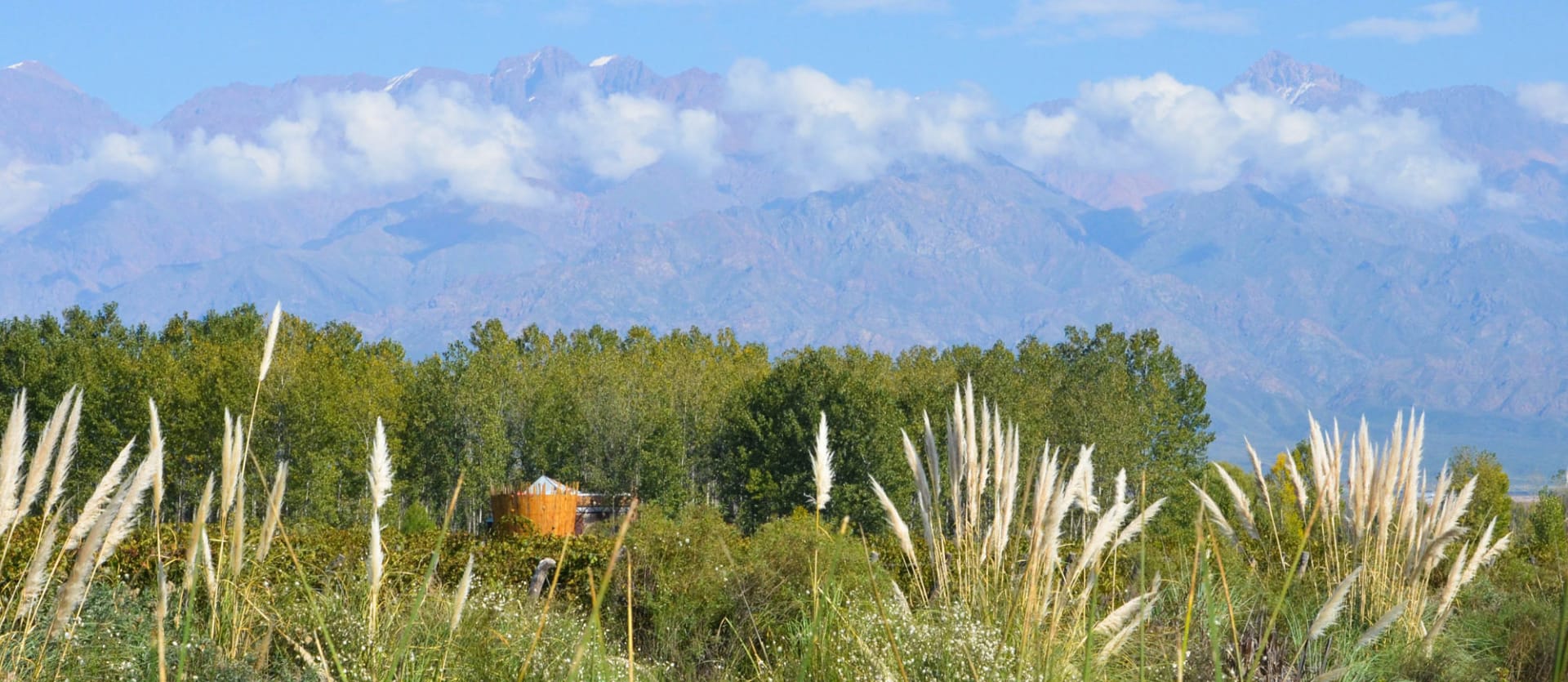
By far the largest and best-known winemaking province in Argentina, Mendoza is responsible for over 70% of the country’s enological output. Set in the eastern foothills of the Andes Mountains, the climate is dry and continental, presenting relatively few challenges for viticulturists during the growing season. Mendoza, divided into several distinctive sub-regions, including Luján de Cuyo and the Uco Valley, is the source of some of the country’s finest wines.
For many wine lovers, Mendoza is practically synonymous with Malbec. Originally a Bordelaise variety brought to Argentina by the French in the mid-1800s, here it found success and renown that it never knew in its homeland where a finicky climate gives mixed results. Cabernet Sauvignon, Syrah, Merlot and Pinot Noir are all widely planted here as well (and sometimes even blended with each other or Malbec). Mendoza's main white varieties include Chardonnay, Torrontés, Sauvignon Blanc and Sémillon.