


Winemaker Notes
On the nose, you’ll find dense, dark blueberry notes -a hallmark of this famous site- leading into zesty orange peel, aromatic black tea, and blackberry compote on the palate. With lingering flavors of caramel and an energetic finish, this Pinot Noir over-delivers year after year.
Professional Ratings
-
James Suckling
Aromas of preserved strawberries, pitted cherries, nutmeg and bark. Medium- to full-bodied with soft tannins. Juicy and nicely concentrated with a subtle, persistent finish. Drink now.
-
Connoisseurs' Guide
A slightly fuller rendition that is a little riper in tone, yet never a wine that is defined by simple ripeness and one that is rife with black cherry fruit, this, more than most in the Three Sticks contingent, edges toward mouth filling richness. If, however, a bit bigger seeming, it is also very well-structured with slightly grippy young tannins warding off any sensation of softness. Pinot’s prettier aspects will take some time to emerge, nd, as they do, expect the wine to exhibit more of the variety’s suppleness. Three or four years should do the trick, and it should evolve nicely for as many more.


Three Sticks Wines is a boutique, family-owned winery recognized for pinot noir and chardonnay. Proprietor Bill Price III (nicknamed “Billy Three Sticks”) owns six Grand Cru level estate vineyards in Sonoma County, including three Heritage vineyards–Durell, Gap’s Crown, and Walala and three Monopole vineyards–One Sky, Alana, and William James. An intimate relationship with each property shines through in each of the Three Sticks wines, reflecting a keen understanding of how working with great vineyards, along with a meticulous winemaking style, produces inspiring results.
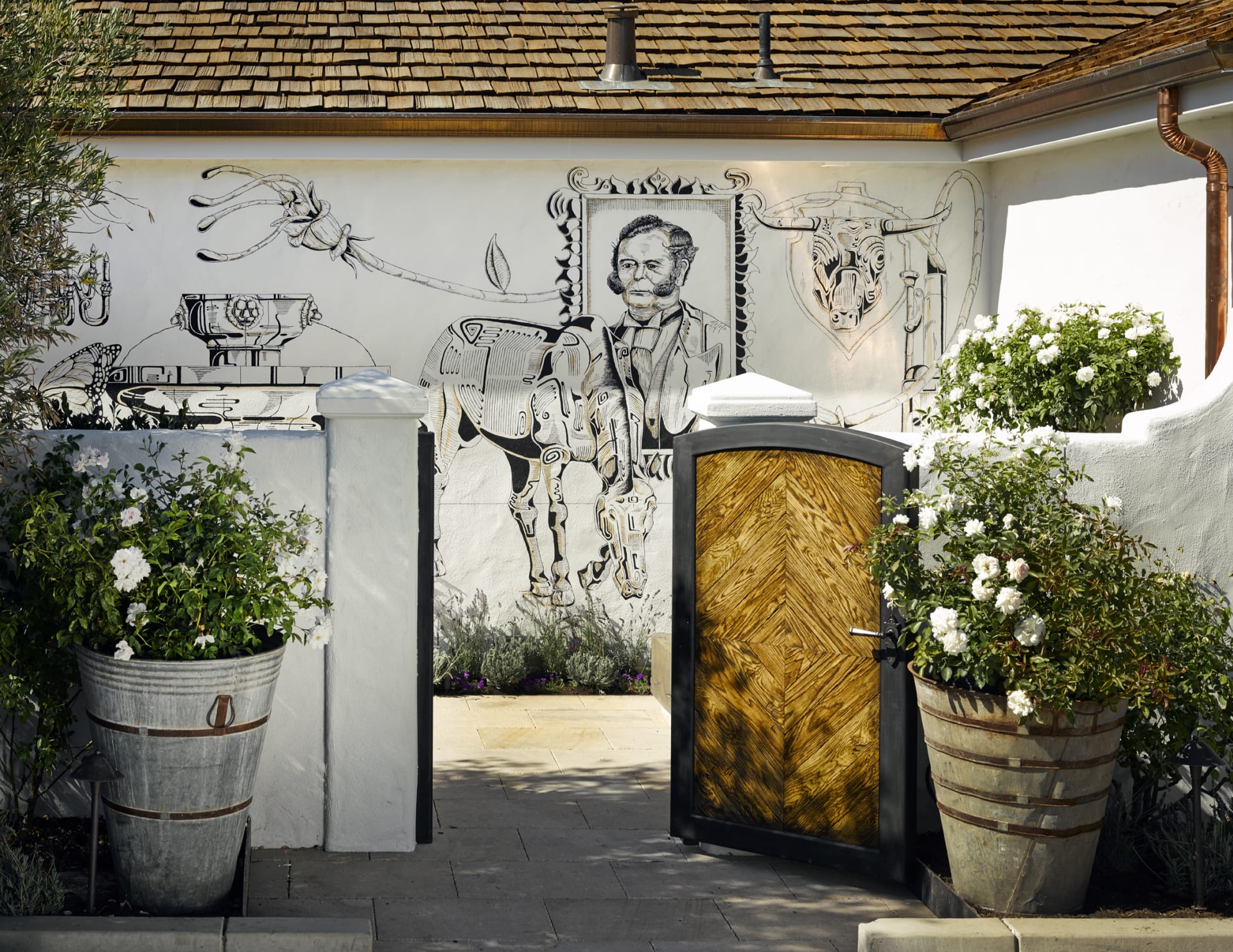
The Vallejo-Castenada Adobe (built in 1842) was built by Captain Salvador Vallejo, brother of General Mariano Guadalupe Vallejo, the Commandante Generale of the northern territory of Mexico (modern day Sonoma). The Prices purchased the property in 2012 and embarked on a two-year preservation project. The Three Sticks team worked with Sonoma historians and the Sonoma League for Historic Preservation to restore and protect the fabric of the property. They commissioned San Francisco-based designer Ken Fulk and his team to design the ambience of the Adobe, as it is known locally. The historic landmark in downtown Sonoma is now home to the hospitality of Three Sticks.

Thin-skinned, finicky and temperamental, Pinot Noir is also one of the most rewarding grapes to grow and remains a labor of love for some of the greatest vignerons in Burgundy. Fairly adaptable but highly reflective of the environment in which it is grown, Pinot Noir prefers a cool climate and requires low yields to achieve high quality. Outside of France, outstanding examples come from in Oregon, California and throughout specific locations in wine-producing world. Somm Secret—André Tchelistcheff, California’s most influential post-Prohibition winemaker decidedly stayed away from the grape, claiming “God made Cabernet. The Devil made Pinot Noir.”

A vast appellation covering Sonoma County’s Pacific coastline, the Sonoma Coast AVA runs all the way from the Mendocino County border, south to the San Pablo Bay. The region can actually be divided into two sections—the actual coastal vineyards, marked by marine soils, cool temperatures and saline ocean breezes—and the warmer, drier vineyards further inland, which are still heavily influenced by the Pacific but not quite with same intensity.
Contained within the appellation are the much smaller Fort Ross-Seaview and Petaluma Gap AVAs.
The Sonoma Coast is highly regarded for elegant Pinot Noir, Chardonnay, and, increasingly, cool-climate Syrah. The wines have high acidity, moderate alcohol, firm tannin, and balanced ripeness.