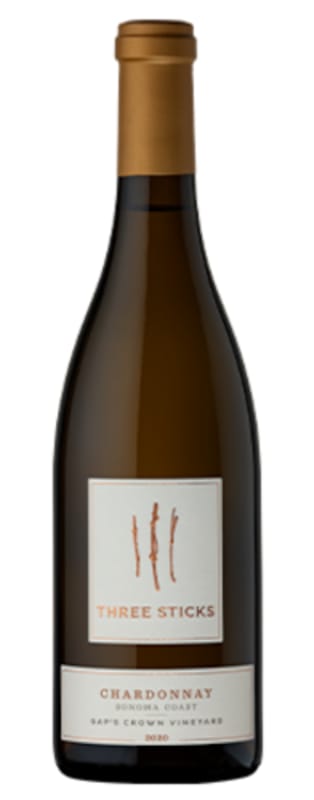


Winemaker Notes
The extreme weather, coupled with Dijon clones specifically chosen for this unique site, showcase the minerality and high-toned fruit in this wine – more reminiscent of our favorite Chablis bottlings than a traditional California chardonnay. This vintage exhibits Meyer lemon on the nose, leading into notes of peach pit, hazelnut, and seashell on the palate. A perfect food pairing wine.
Professional Ratings
-
Wine Spectator
Stunning, with pure fruit flavors at the core, including juicy pineapple, mango and orange sherbet. Features dried ginger and spice accents, with a touch of honeysuckle on the long, expressive finish.


Three Sticks Wines is a boutique, family-owned winery recognized for pinot noir and chardonnay. Proprietor Bill Price III (nicknamed “Billy Three Sticks”) owns six Grand Cru level estate vineyards in Sonoma County, including three Heritage vineyards–Durell, Gap’s Crown, and Walala and three Monopole vineyards–One Sky, Alana, and William James. An intimate relationship with each property shines through in each of the Three Sticks wines, reflecting a keen understanding of how working with great vineyards, along with a meticulous winemaking style, produces inspiring results.
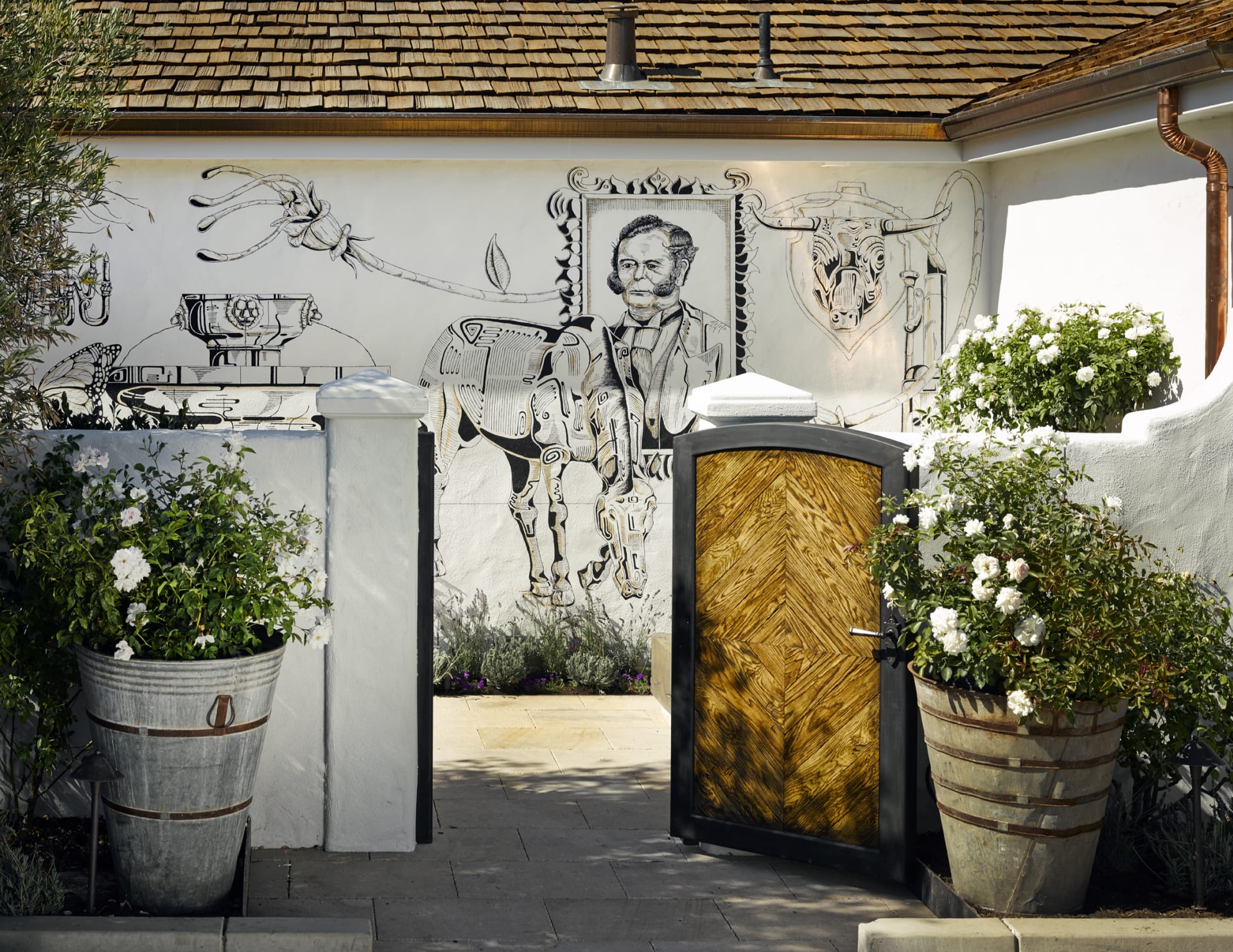
The Vallejo-Castenada Adobe (built in 1842) was built by Captain Salvador Vallejo, brother of General Mariano Guadalupe Vallejo, the Commandante Generale of the northern territory of Mexico (modern day Sonoma). The Prices purchased the property in 2012 and embarked on a two-year preservation project. The Three Sticks team worked with Sonoma historians and the Sonoma League for Historic Preservation to restore and protect the fabric of the property. They commissioned San Francisco-based designer Ken Fulk and his team to design the ambience of the Adobe, as it is known locally. The historic landmark in downtown Sonoma is now home to the hospitality of Three Sticks.

One of the most popular and versatile white wine grapes, Chardonnay offers a wide range of flavors and styles depending on where it is grown and how it is made. While it tends to flourish in most environments, Chardonnay from its Burgundian homeland produces some of the most remarkable and longest lived examples. California produces both oaky, buttery styles and leaner, European-inspired wines. Somm Secret—The Burgundian subregion of Chablis, while typically using older oak barrels, produces a bright style similar to the unoaked style. Anyone who doesn't like oaky Chardonnay would likely enjoy Chablis.

A vast appellation covering Sonoma County’s Pacific coastline, the Sonoma Coast AVA runs all the way from the Mendocino County border, south to the San Pablo Bay. The region can actually be divided into two sections—the actual coastal vineyards, marked by marine soils, cool temperatures and saline ocean breezes—and the warmer, drier vineyards further inland, which are still heavily influenced by the Pacific but not quite with same intensity.
Contained within the appellation are the much smaller Fort Ross-Seaview and Petaluma Gap AVAs.
The Sonoma Coast is highly regarded for elegant Pinot Noir, Chardonnay, and, increasingly, cool-climate Syrah. The wines have high acidity, moderate alcohol, firm tannin, and balanced ripeness.