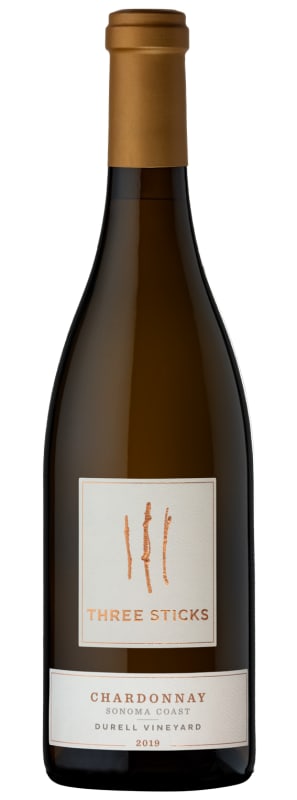


Winemaker Notes
The Three Sticks home vineyard, Durell, is a staple of their portfolio and this signature chardonnay takes a top seat in the fall offering each year. Lush chardonnay thrives in the sweeping hillsides and rocky soils of Durell Vineyard-resulting in a wine bursting with flavors of lemon zest, golden apple, and ruby red grapefruit. Hints of honeysuckle, Marcona almond, and a touch of toasty oak further complement this bottle's strong backbone and remarkable depth. This is a Durell Chardonnay to be remembered.
Professional Ratings
-
Wine Spectator
A savory and powerfully taut style, with concentrated dried sage and tarragon accents to a vibrant mix of apple and glazed pear flavors, which are supported by firm acidity. Delivers light buttery accents on the fresh finish. This should reward time in the cellar. Best from 2023.
-
Connoisseurs' Guide
Fermented and aged in concrete “eggs,” amphora and stainless steel barrels and never having seen time in oak, Three Stick’s Origin Chardonnay nonetheless bears little relation to the typical unoaked version. It is full, generously fruited and slightly fleshy in feel with complexing highlights of roasted grains borne from its time spent on the lees, and, though a bright and buoyant wine with plenty of youthful appeal, it finishes with a bit of back-end grip suggesting the worth of an extra year or two of age to bring additional textural polish.
-
Jeb Dunnuck
The 2019 Chardonnay Durell Vineyard is savory, with notes of salted lime, melon rind, and a hint of oak that transition to the palate, with the addition of a lightly bitter almond note on the finish. It has medium body and a chalky granular texture.


Three Sticks Wines is a boutique, family-owned winery recognized for pinot noir and chardonnay. Proprietor Bill Price III (nicknamed “Billy Three Sticks”) owns six Grand Cru level estate vineyards in Sonoma County, including three Heritage vineyards–Durell, Gap’s Crown, and Walala and three Monopole vineyards–One Sky, Alana, and William James. An intimate relationship with each property shines through in each of the Three Sticks wines, reflecting a keen understanding of how working with great vineyards, along with a meticulous winemaking style, produces inspiring results.
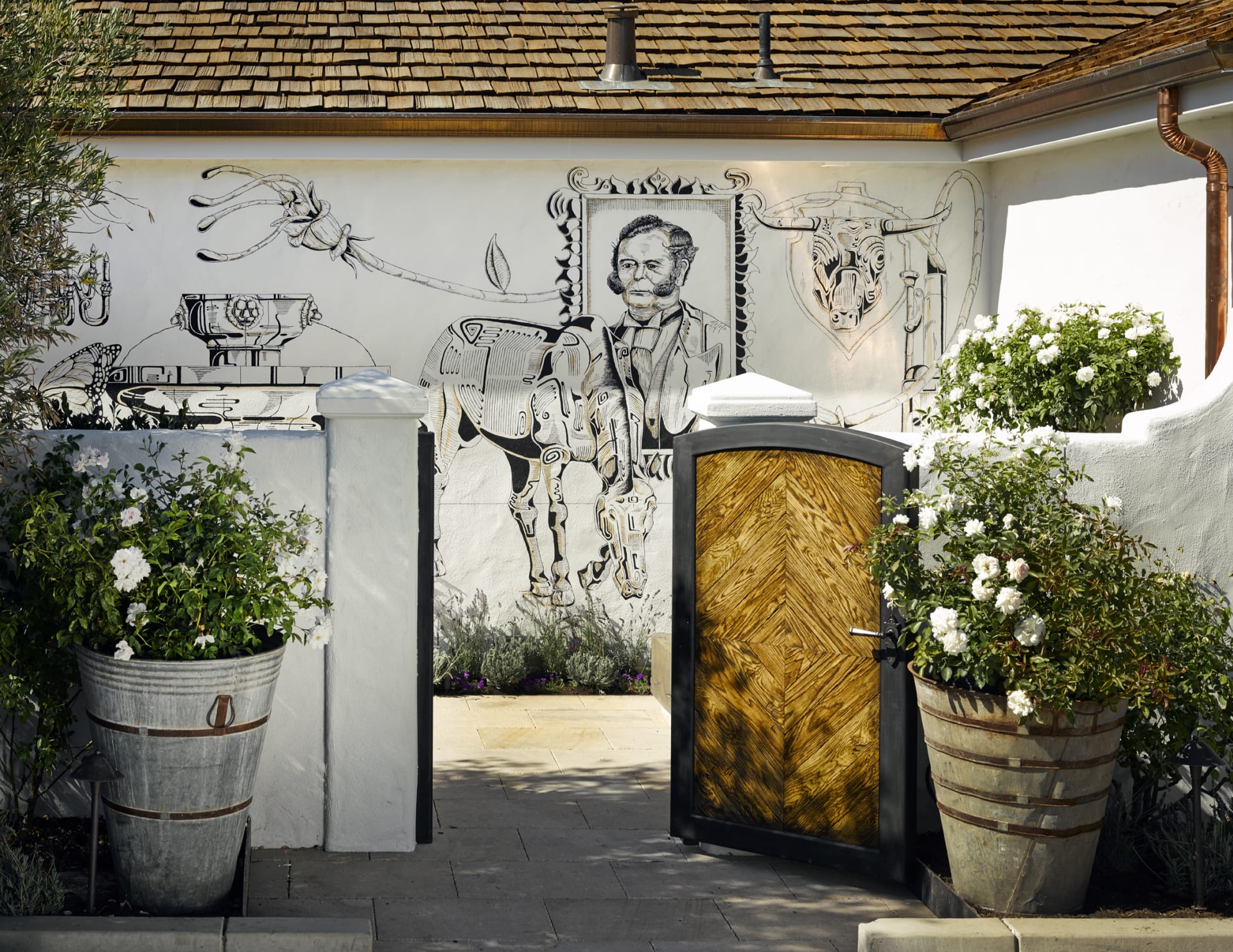
The Vallejo-Castenada Adobe (built in 1842) was built by Captain Salvador Vallejo, brother of General Mariano Guadalupe Vallejo, the Commandante Generale of the northern territory of Mexico (modern day Sonoma). The Prices purchased the property in 2012 and embarked on a two-year preservation project. The Three Sticks team worked with Sonoma historians and the Sonoma League for Historic Preservation to restore and protect the fabric of the property. They commissioned San Francisco-based designer Ken Fulk and his team to design the ambience of the Adobe, as it is known locally. The historic landmark in downtown Sonoma is now home to the hospitality of Three Sticks.

One of the most popular and versatile white wine grapes, Chardonnay offers a wide range of flavors and styles depending on where it is grown and how it is made. While it tends to flourish in most environments, Chardonnay from its Burgundian homeland produces some of the most remarkable and longest lived examples. California produces both oaky, buttery styles and leaner, European-inspired wines. Somm Secret—The Burgundian subregion of Chablis, while typically using older oak barrels, produces a bright style similar to the unoaked style. Anyone who doesn't like oaky Chardonnay would likely enjoy Chablis.
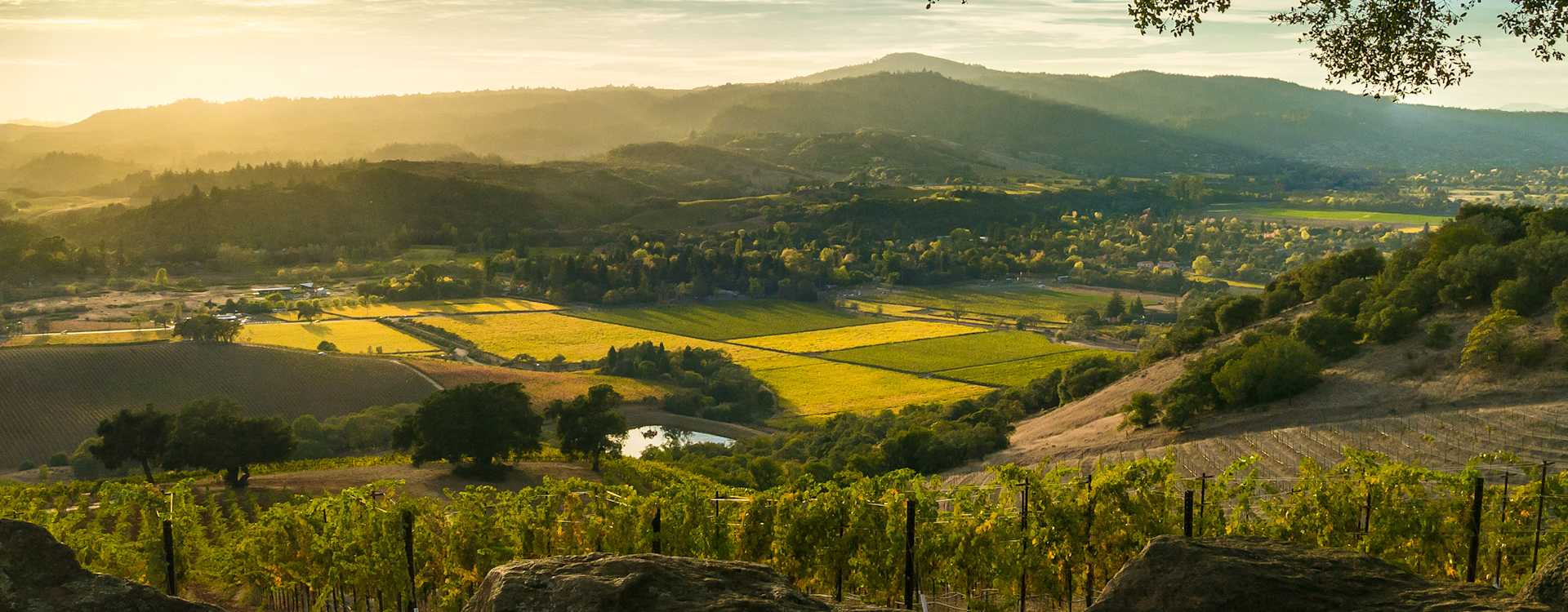
Perhaps the most historically significant appellation in Sonoma County, the Sonoma Valley is home to both Buena Vista winery, California's oldest commercial winery, and Gundlach Bundschu winery, California's oldest family-run winery.
It is also one of the more geologically and climactically diverse districts. The valley includes and overlaps four distinct Sonoma County sub-appellations, including Carneros, Moon Mountain District, Sonoma Mountain and Bennett Valley. With mountains, benchlands, plains, abundant sunshine and the cooling effects of the nearby Pacific, this appellation can successfully produce a wide range of grape varieties. Pinot Noir, Chardonnay, Cabernet Sauvignon, Gewürztraminer, and most notably, Zinfandel all thrive here. Ancient Zinfandel vines over 100 years old produce small crops of concentrated, spicy fruit, which in turn make some of the Valley's most unique wines. These can also be made as “field blends” (wines made from a mix of grape varieties grown in the same vineyard) along with Petite Sirah, Carignan and Alicante Bouschet.