Winemaker Notes


Three Sticks Wines is a boutique, family-owned winery recognized for pinot noir and chardonnay. Proprietor Bill Price III (nicknamed “Billy Three Sticks”) owns six Grand Cru level estate vineyards in Sonoma County, including three Heritage vineyards–Durell, Gap’s Crown, and Walala and three Monopole vineyards–One Sky, Alana, and William James. An intimate relationship with each property shines through in each of the Three Sticks wines, reflecting a keen understanding of how working with great vineyards, along with a meticulous winemaking style, produces inspiring results.
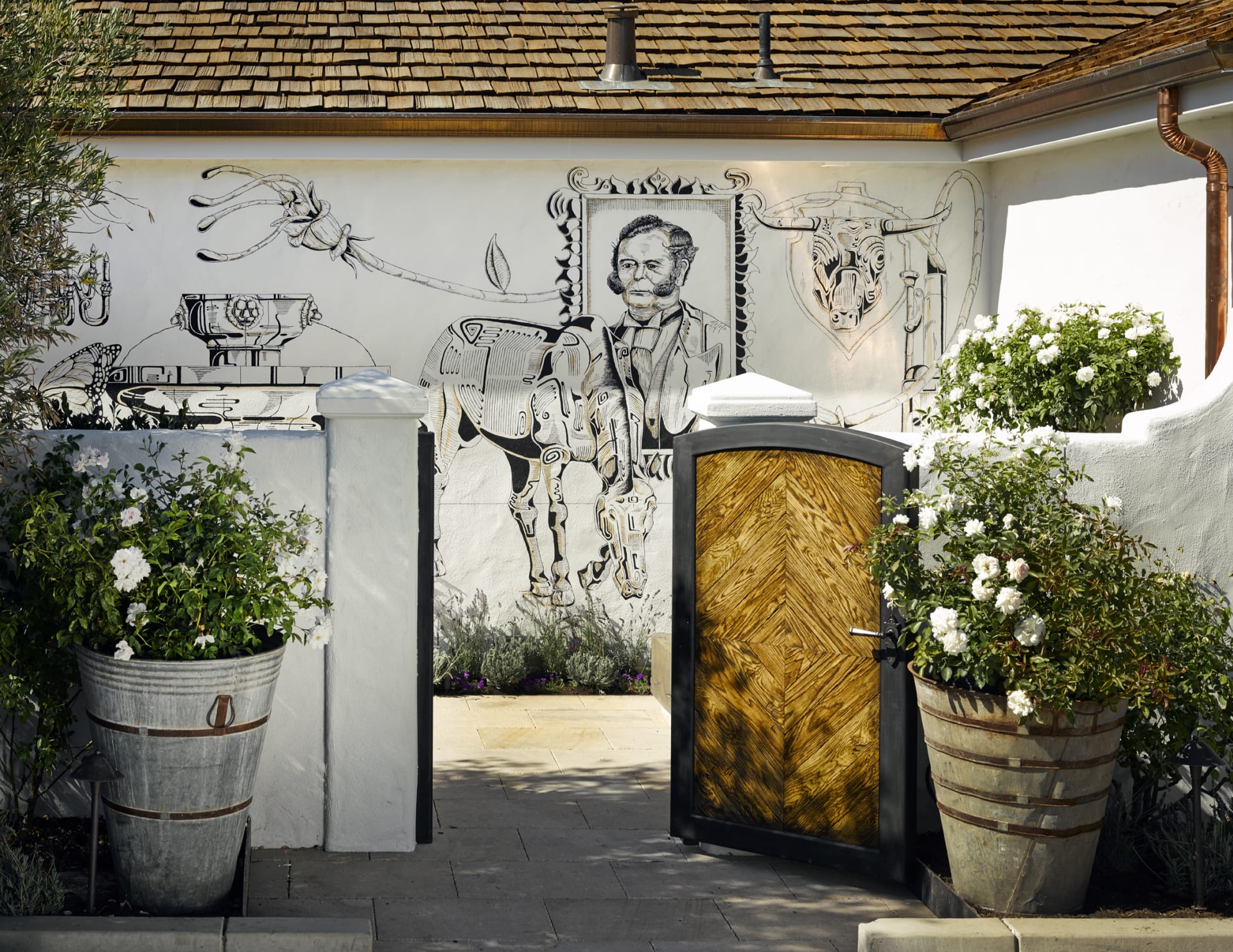
The Vallejo-Castenada Adobe (built in 1842) was built by Captain Salvador Vallejo, brother of General Mariano Guadalupe Vallejo, the Commandante Generale of the northern territory of Mexico (modern day Sonoma). The Prices purchased the property in 2012 and embarked on a two-year preservation project. The Three Sticks team worked with Sonoma historians and the Sonoma League for Historic Preservation to restore and protect the fabric of the property. They commissioned San Francisco-based designer Ken Fulk and his team to design the ambience of the Adobe, as it is known locally. The historic landmark in downtown Sonoma is now home to the hospitality of Three Sticks.

With hundreds of red grape varieties to choose from, winemakers have the freedom to create a virtually endless assortment of blended red wines. In many European regions, strict laws are in place determining the set of varieties that may be used, but in the New World, experimentation is permitted and encouraged resulting in a wide variety of red wine styles. Blending can be utilized to enhance balance or create complexity, lending different layers of flavors and aromas. For example, a red wine blend variety that creates a fruity and full-bodied wine would do well combined with one that is naturally high in acidity and tannins. Sometimes small amounts of a particular variety are added to boost color or aromatics. Blending can take place before or after fermentation, with the latter, more popular option giving more control to the winemaker over the final qualities of the wine.
How to Serve Red Wine
A common piece of advice is to serve red wine at “room temperature,” but this suggestion is imprecise. After all, room temperature in January is likely to be quite different than in August, even considering the possible effect of central heating and air conditioning systems. The proper temperature to aim for is 55° F to 60° F for lighter-bodied reds and 60° F to 65° F for fuller-bodied wines.
How Long Does Red Wine Last?
Once opened and re-corked, a bottle stored in a cool, dark environment (like your fridge) will stay fresh and nicely drinkable for a day or two. There are products available that can extend that period by a couple of days. As for unopened bottles, optimal storage means keeping them on their sides in a moderately humid environment at about 57° F. Red wines stored in this manner will stay good – and possibly improve – for anywhere from one year to multiple decades. Assessing how long to hold on to a bottle is a complicated science. If you are planning long-term storage of your reds, seek the advice of a wine professional.

A vast appellation covering Sonoma County’s Pacific coastline, the Sonoma Coast AVA runs all the way from the Mendocino County border, south to the San Pablo Bay. The region can actually be divided into two sections—the actual coastal vineyards, marked by marine soils, cool temperatures and saline ocean breezes—and the warmer, drier vineyards further inland, which are still heavily influenced by the Pacific but not quite with same intensity.
Contained within the appellation are the much smaller Fort Ross-Seaview and Petaluma Gap AVAs.
The Sonoma Coast is highly regarded for elegant Pinot Noir, Chardonnay, and, increasingly, cool-climate Syrah. The wines have high acidity, moderate alcohol, firm tannin, and balanced ripeness.