

Winemaker Notes
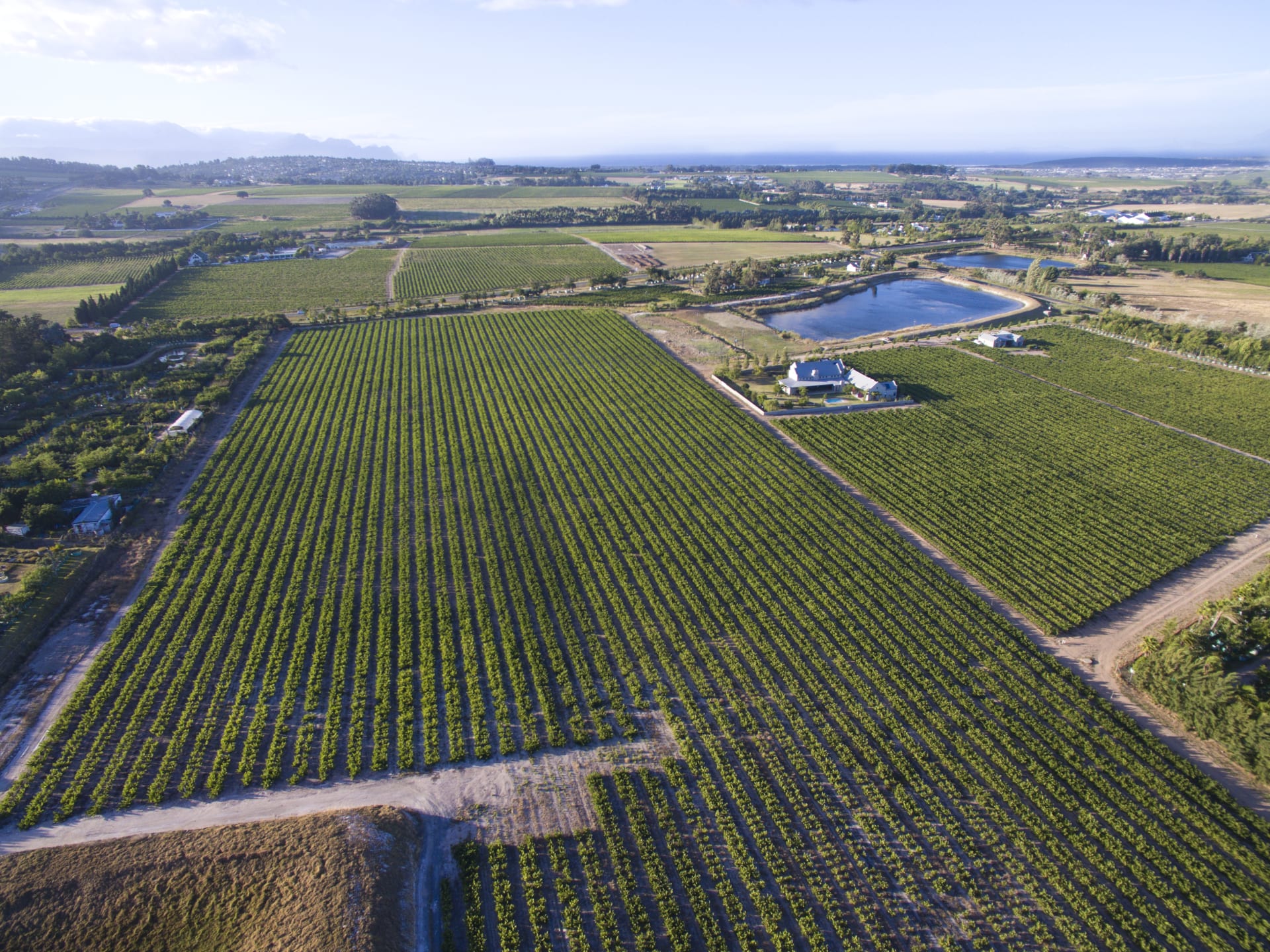


Good Hope is more than just the name of a location at the bottom of Africa. It’s a spirit of optimism. A “can-do” attitude. A positive intention that leads to positive action. The fact that the pioneering settlers of 1652 named their new land The Cape of Good Hope is proof of their faith in this area’s potential. Wine grapes were among the first crops to be grown there, starting in 1655. The very first Cape wine flowed in 1659 – about 150 years before settlers even arrived in Australia for the first time!
Today, this land – and this industry – still holds so much untapped potential. When the team set out to explore it, they soon realised that they needed a place to showcase new ideas in the evolving portfolio of wines. And that’s precisely why they created this range. Its wines are the results of their extensive trials and research into exciting new varieties, new vineyard areas, new meso-climates and altitudes, alternative winemaking techniques and even the use of more modern packaging.

One of the world’s most classic and popular styles of red wine, Bordeaux-inspired blends have spread from their homeland in France to nearly every corner of the New World. Typically based on either Cabernet Sauvignon or Merlot and supported by Cabernet Franc, Malbec and Petit Verdot, the best of these are densely hued, fragrant, full of fruit and boast a structure that begs for cellar time. Somm Secret—Blends from Bordeaux are generally earthier compared to those from the New World, which tend to be fruit-dominant.

South Africa’s most famous wine-producing district, Stellenbosch, surrounds the historic town with the same name; fine winemaking here dates back to the late 1600s. Its valleys of granite, sandstone and alluvial loam soils between the towering blue-grey mountains of Stellenbosch, Simonsberg and Helderberg have the capacity to produce beautiful wines from many varieties. The climate is warm Mediterranean, tempered by the cool Atlantic air of nearby False Bay.
Perhaps most well-known for its Pinotage and Bordeaux blends, Stellenbosch also produces noteworthy wines from Syrah, Chenin blanc, Chardonnay and Sauvignon blanc. The district’s wards—Banghoek, Bottelary, Devon Valley, Jonkershoek Valley, Papegaaiberg, Polkadraai Hills and Simonsberg-Stellenbosch—all produce distinctive wines from vines with relatively low yields.