


Winemaker Notes
Dense, dark and burly, with expressive dried berry notes, cocoa, cedar and a hint of cigar box scent. On the palate, this Single Vineyard wine greets with a full-bodied richness, that’s chewy and ripe. Layers of chocolate, dark berry compote, forest floor and tobacco leaf are well integrated with its massively tannic core. The finish is so rich and long, confirming that this wine is a big Napa Cab.
Professional Ratings
-
Wine Spectator
This offers up a mix of lightly steeped rhubarb, red currant and raspberry notes, laced with savory, sassafras and dried anise accents. Ends with a silky edge and lots of perfume, making for an intriguing if slightly offbeat style of mountain Cabernet. Drink now through 2024.
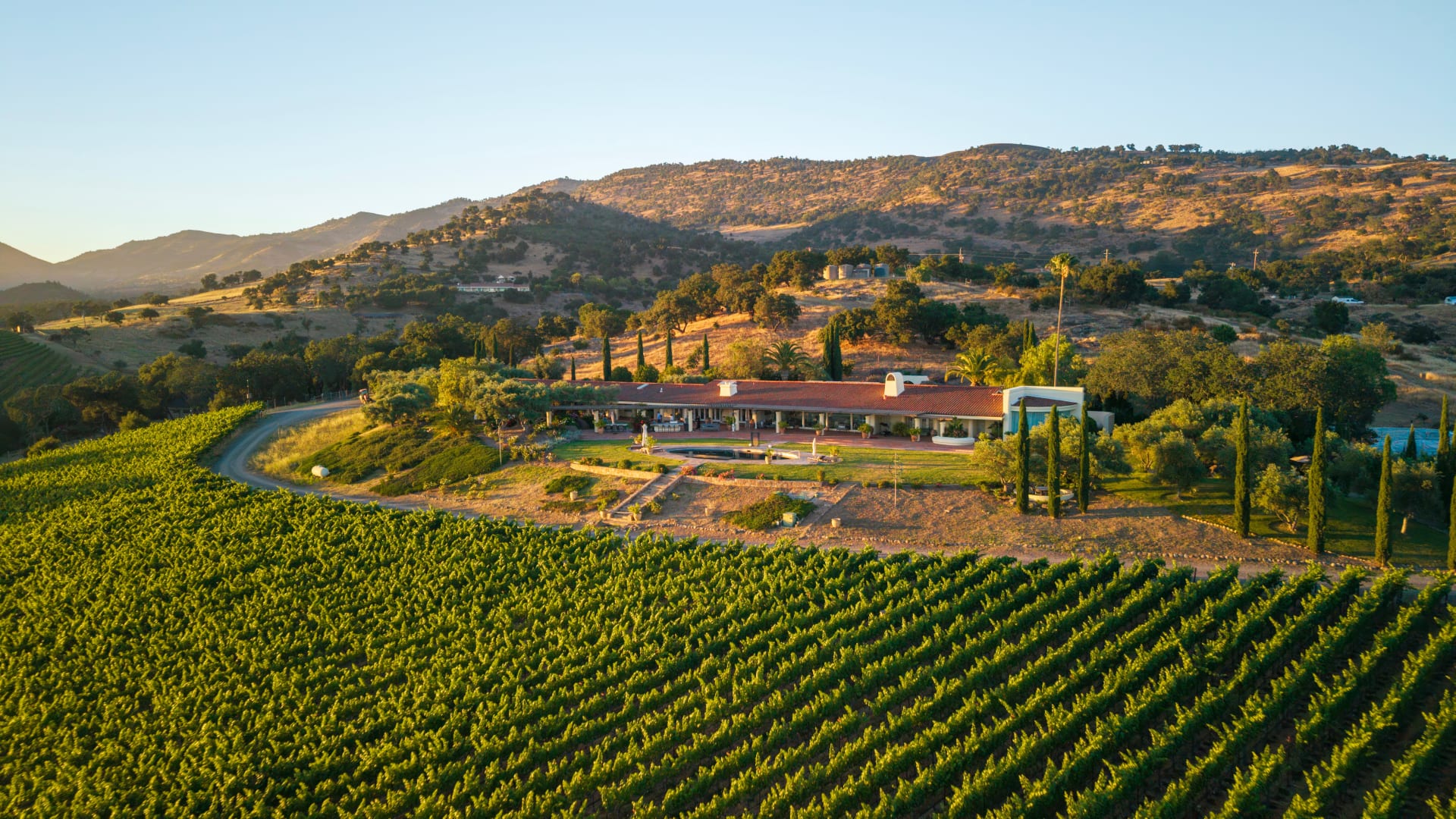



The Vice Wine is a Napa Valley luxury wine brand made in small batches. Each batch is crafted from single grape varietals sourced from hand selected vineyards that best express the grape varietal and the region that it comes from. The Vice Wine is a result of passionate labor, sustainable farming, a long expertise of the wine industry and a current understanding of the consumer’s wine trend.
The Vice Wine is about as personal of a brand as it gets. Everything is done by the founders. They drive the truck to get their fruit, they crush, bottle, label; they do everything by hand when possible. We design the labels, work the market, and sell the wine.
They believe that the best wines in the world aren’t the most expensive ones. They thrive at providing the best quality wine at the best value.

A noble variety bestowed with both power and concentration, Cabernet Sauvignon enjoys success all over the globe, its best examples showing potential to age beautifully for decades. Cabernet Sauvignon flourishes in Bordeaux's Medoc where it is often blended with Merlot and smaller amounts of some combination of Cabernet Franc, Malbecand Petit Verdot. In the Napa Valley, ‘Cab’ is responsible for some of the world’s most prestigious, age-worthy and sought-after “cult” wines. Somm Secret—DNA profiling in 1997 revealed that Cabernet Sauvignon was born from a spontaneous crossing of Cabernet Franc and Sauvignon Blanc in 17th century southwest France.

Today Cabernet Sauvignon is the star of this part of Napa’s rugged, eastern hills, but Zinfandel was responsible for giving the Howell Mountain growing area its original fame in the late 1800s.
Winemaking in Howell Mountain was abandoned during Prohibition, and wasn’t reawakened until the arrival of Randy Dunn, a talented winemaker famous for the success of Caymus in the 1970s and 1980s. In the early eighties, he set his sights on the Napa hills and subsequently astonished the wine world with a Howell Mountain Cabernet Sauvignon. Shortly thereafter Howell Mountain became officially recognized as the first sub-region of Napa Valley (1983).
With vineyards at 1,400 to 2,000 feet in elevation, they predominantly sit above the fog line but the days in Howell Mountain remain cooler than those in the heart of the valley, giving the grapes a bit more time on the vine.
The Howell Mountain AVA includes 1,000 acres of vineyards interspersed by forestlands in the Vaca Mountains. The soils, shallow and infertile with good drainage, are volcanic ash and red clay and produce highly concentrated berries with thick skins. The resulting wines are full of structure and potential to age.
Today Cabernet Sauvignon, Merlot and Petite Sirah thrive in this sub-appellation, as well as its founding variety, Zinfandel.