


Winemaker Notes
Blend: 88% Graciano, 6% Mourvèdre, 4% Petite Sirah, 2% Viognier
Professional Ratings
-
Jeb Dunnuck
The fourth vintage for this cuvée, the 2017 Graciano is 88% Graciano, 6% Mourvèdre, 4% Petite Sirah, and 2% Viognier that spent 27 months in one-third new French oak. This inky hued beauty boasts a massive core of blueberry and cassis fruit as well as complex notes of sandalwood, cured meats, white pepper, and candle wax that all soar from the glass. With its full-bodied richness, silky tannins, good acidity, and a monster of a finish, this powerful, opulent beauty certainly offers pleasure today, yet it has the backbone and depth to evolve for 20-25 years. Give it a healthy decant if drinking any time soon.
-
Robert Parker's Wine Advocate
This is the fourth edition of this single-vineyard wine, coming entirely from The Third Twin vineyard in Los Alamos, further showcasing not only the potential of this amazing site but of this grape variety in the region. It is a blend of 88% Graciano, 6% Mourvèdre, 4% Petit Sirah and 2% Viognier, employing 10% whole clusters. It was aged for 27 months in French oak, 33% new.


Beyond the usual suspects, there are hundreds of red grape varieties grown throughout the world. Some are indigenous specialties capable of producing excellent single varietal wines, while others are better suited for use as blending grapes. Each has its own distinct viticultural characteristics, as well as aroma and flavor profiles, offering much to be discovered by the curious wine lover. In particular, Portugal and Italy are known for having a multitude of unique varieties but they can really be found in any region.
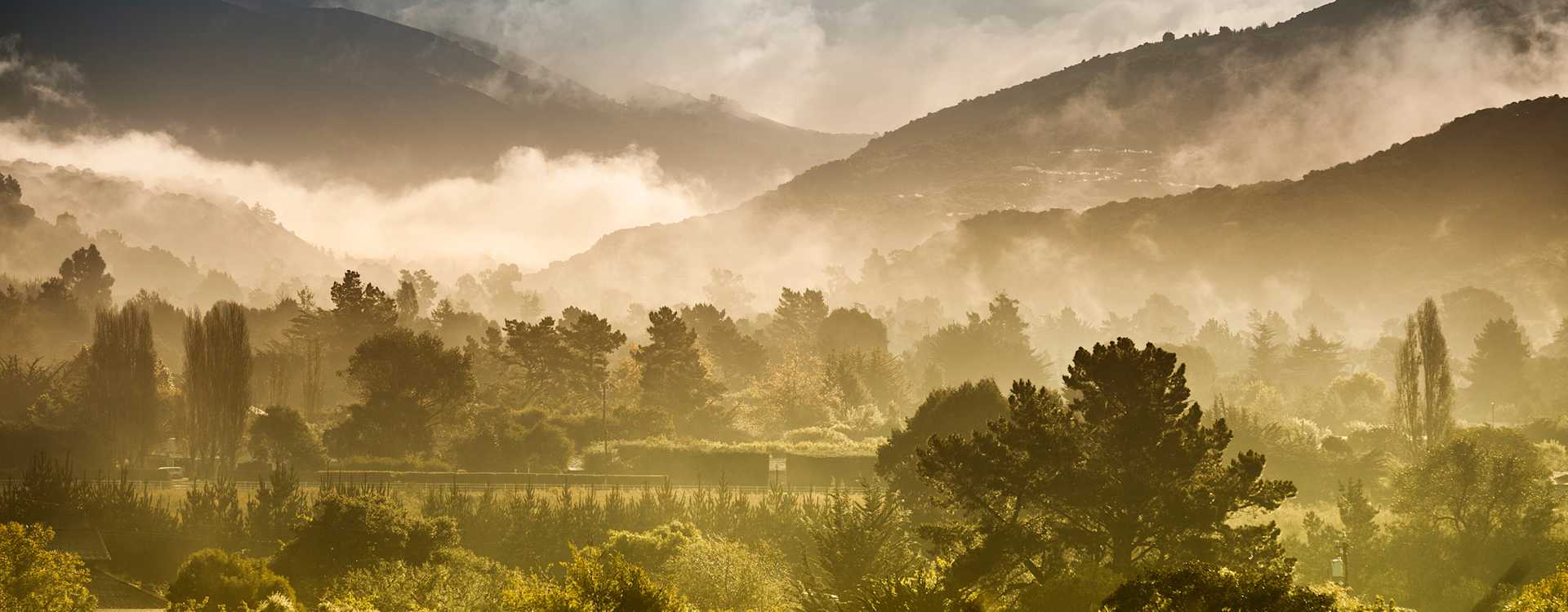
The largest and perhaps most varied of California’s wine-growing regions, the Central Coast produces a good majority of the state's wine. This vast California wine district stretches from San Francisco all the way to Santa Barbara along the coast, and reaches inland nearly all the way to the Central Valley.
Encompassing an extremely diverse array of climates, soil types and wine styles, it contains many smaller sub-AVAs, including San Francisco Bay, Monterey, the Santa Cruz Mountains, Paso Robles, Edna Valley, Santa Ynez Valley and Santa Maria Valley.
While the Central Coast California wine region could probably support almost any major grape varietiy, it is famous for a few Central Coast reds and whites. Pinot Noir, Chardonnay, Cabernet Sauvignon and Zinfandel are among the major ones. The Central Coast is home to many of the state's small, artisanal wineries crafting unique, high-quality wines, as well as larger producers also making exceptional wines.