


Winemaker Notes
A medium salmon-colored rosé in which both Grenache and Cinsaut show their varietal typicity and inspire the moniker, "Les Fruits Rouges." The 2% addition of Tibouren adds additional complexity and elegance to the blend.
Blend: 72% Grenache, 26% Cinsaut, 2% Tibouren
Professional Ratings
-
Decanter
A generous and lovely textured rosé from Randall Grahm. Lifted orchard fruit notes, pink rose florals, and white peach. A wonderfully inviting richness envelops the palate with juicy yellow peach, kiwi fruit, and honeydew melon. Fleshy, creamy, and long through the balanced finish of stony minerals and more pink-tinged florals. 72% Grenache, 26% Cinsaut, and 2% Tibouren fermented in stainless steel and aged in the same vessel for four months sur lie with weekly batonnage and bottled, unfined, and unfiltered.
-
James Suckling
A stylish rosé with sliced peach, light cherry, mineral, dust and pomegranate character, but not over done. It’s medium-bodied with pretty fruit. Some strawberry pastry flavor, yet it remains fresh and lightly minerally. An interesting blend of mostly grenache with some cinsault and a touch of tibouren.
-
Robert Parker's Wine Advocate
The 2022 Pink Wine Les Fruits Rouges is a blend of 72% Grenache, 26% Cinsault and 2% Tibouren, which were left on skins overnight. Malolactic conversion was blocked, and the wine was matured in stainless steel and neutral French barriques. Pale salmon-pink in color, it explodes with pretty scents of cantaloupe, dried herbs, citrus peel and wafts of potpourri. The light-bodied palate is fresh and spicy, offering a core of concentrated, mineral-laced fruit and a long, juicy finish that calls you back to the glass.
-
Wine Enthusiast
Lovely aromas of watermelon and peach pick up a floral tone on the nose of this rosé blend of 72% Grenache, 26% Cinsaut and 2% Tibouren. Similar fruit flavors are encased in firm tannins on the broad and likable sip, cut by bright acidity

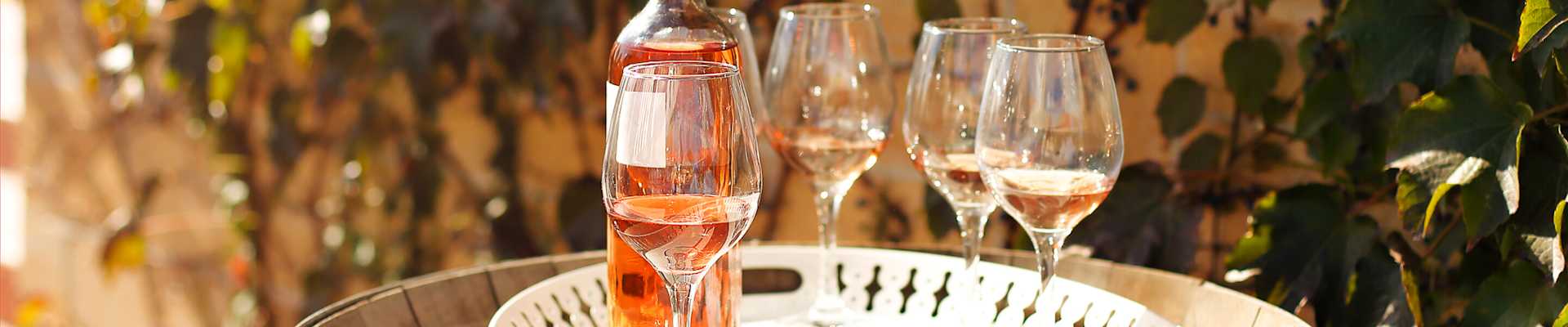
Whether it’s playful and fun or savory and serious, most rosé today is not your grandmother’s White Zinfandel, though that category remains strong. Pink wine has recently become quite trendy, and this time around it’s commonly quite dry. Since the pigment in red wines comes from keeping fermenting juice in contact with the grape skins for an extended period, it follows that a pink wine can be made using just a brief period of skin contact—usually just a couple of days. The resulting color depends on grape variety and winemaking style, ranging from pale salmon to deep magenta.
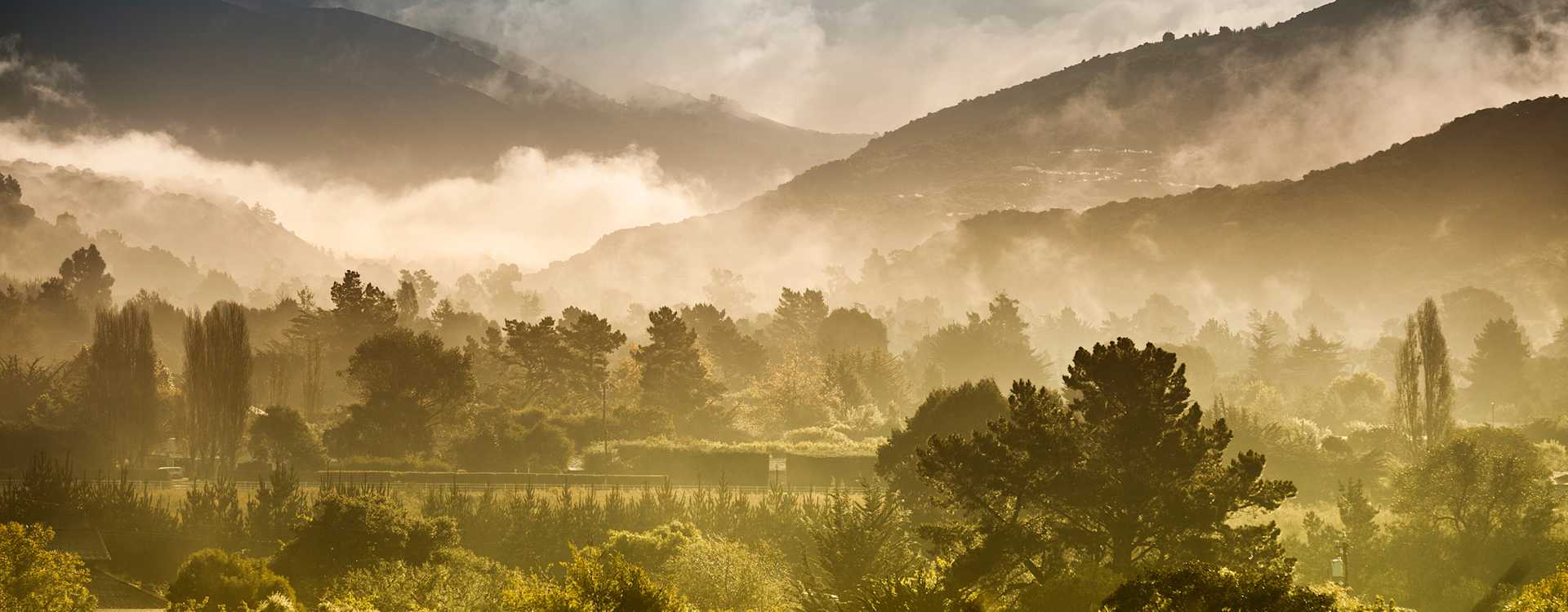
The largest and perhaps most varied of California’s wine-growing regions, the Central Coast produces a good majority of the state's wine. This vast California wine district stretches from San Francisco all the way to Santa Barbara along the coast, and reaches inland nearly all the way to the Central Valley.
Encompassing an extremely diverse array of climates, soil types and wine styles, it contains many smaller sub-AVAs, including San Francisco Bay, Monterey, the Santa Cruz Mountains, Paso Robles, Edna Valley, Santa Ynez Valley and Santa Maria Valley.
While the Central Coast California wine region could probably support almost any major grape varietiy, it is famous for a few Central Coast reds and whites. Pinot Noir, Chardonnay, Cabernet Sauvignon and Zinfandel are among the major ones. The Central Coast is home to many of the state's small, artisanal wineries crafting unique, high-quality wines, as well as larger producers also making exceptional wines.