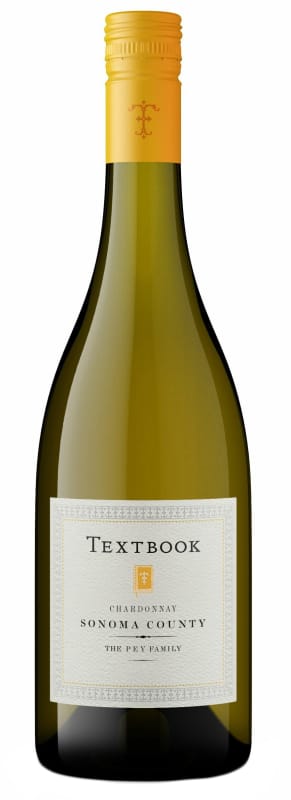


Winemaker Notes
Crafted from carefully selected lots grown in the Dry Creek Valley and Russian RiverValley AVAs of Sonoma County, this wine was fermented in French Oak barrels withpartial malolactic conversion. Lively and juicy, it offers a flinty minerality on themid-palate, balanced by a refreshingly bright fruit character. Aromas of whiteflowers, pear, pineapple, caramel and pie crust are followed by peach, lemon curdand toasted almond flavors on the palate.
Professional Ratings
-
Tasting Panel
Reined-in richness leaves the mouth refreshed as this wine descends on the palate with notes of ripe pear, peach tart, and almond croissant. Eleven months in French oak shows through the balanced integration of creamy fruit and fine acid structure.
-
James Suckling
A juicy, lemony medium-bodied wine with fresh acidity and hints of toasted nuts and meringue. Satisfying weight on the palate and a crisp and clean finish.



Textbook was inspired by the Pey Family's travels in France and Italy, where they learned about wine and its place at the table. While abroad, they fell in love with European craftsmanship – wines made with structure, restraint, and revealing a 'sense of place.' For nearly two decades, they've fulfilled that vision – crafting exceptional, while approachable wines that truly represents the best a region has to offer.
Their high-caliber grower and producer partners provide them with superior lots, allowing them to consistently deliver complexity and quality vintage to vintage.
Winemaker Abigail "Abi" Horstman Estrada sources small lots from a range of climates and soils, providing a diverse palette of flavors and aromatics. She honed her winemaking chops in Italy, New Zealand, and Israel and worked for prestige brands like Markham, Domaine Chandon, and Robert Mondavi in Napa Valley. She crafts Textbook wines by keeping the lots separate, tasting them throughout the year, and then integrating the components to create balanced, complex wines that can be enjoyed independently or with various cuisines.

One of the most popular and versatile white wine grapes, Chardonnay offers a wide range of flavors and styles depending on where it is grown and how it is made. While it tends to flourish in most environments, Chardonnay from its Burgundian homeland produces some of the most remarkable and longest lived examples. California produces both oaky, buttery styles and leaner, European-inspired wines. Somm Secret—The Burgundian subregion of Chablis, while typically using older oak barrels, produces a bright style similar to the unoaked style. Anyone who doesn't like oaky Chardonnay would likely enjoy Chablis.
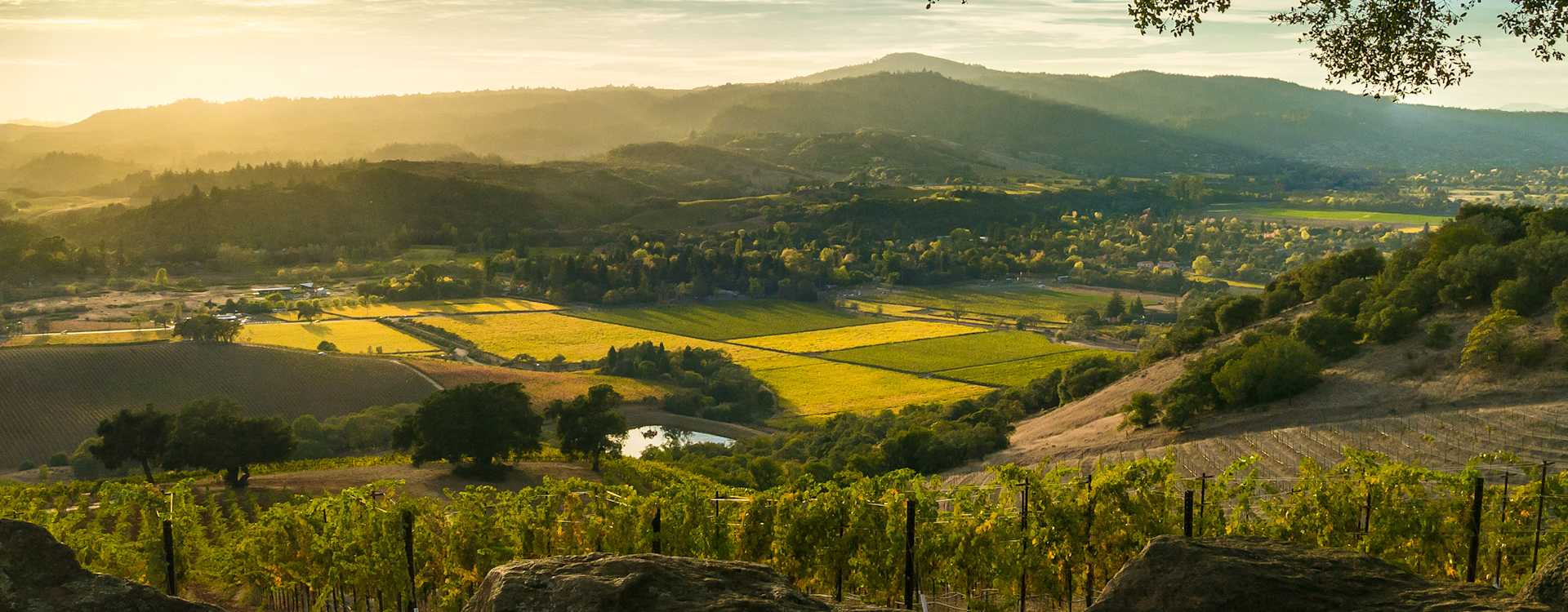
Home to a diverse array of smaller AVAs with varied microclimates and soil types, Sonoma County has something for every wine lover. Physically twice as large as Napa Valley, the region only produces about half the amount of wine but boasts both tremendous quality and variety. With its laid-back atmosphere and down-to-earth attitude, the wineries of Sonoma are appreciated by wine tourists for their friendliness and approachability. The entire county intends to become a 100% sustainable winegrowing region by 2019.
Sonoma County wines are produced with carefully selected grape varieties to reflect the best attributes of their sites—Dry Creek Valley’s consistent sunshine is ideal for Zinfandel, while the warm Alexander Valley is responsible for rich, voluptuous red wines like Cabernet Sauvignon. Chardonnay and Pinot Noir are important throughout the county, most notably in the cooler AVAs of Russian River, Sonoma Coast and Carneros. Sauvignon Blanc, Merlot and Syrah have also found a firm footing here.