

Winemaker Notes


Friendly and approachable, Barbera produces wines in a wide range of styles, from youthful, fresh and fruity to serious, structured and age-worthy. Piedmont is the most famous source of Barbera; those from Asti and Alba garner the most praise. Barbera actually can adapt to many climates and enjoys success in some New World regions. Somm Secret—In the past it wasn’t common or even accepted to age Barbera in oak but today both styles—oaked and unoaked—abound and in fact most Piedmontese producers today produce both styles.
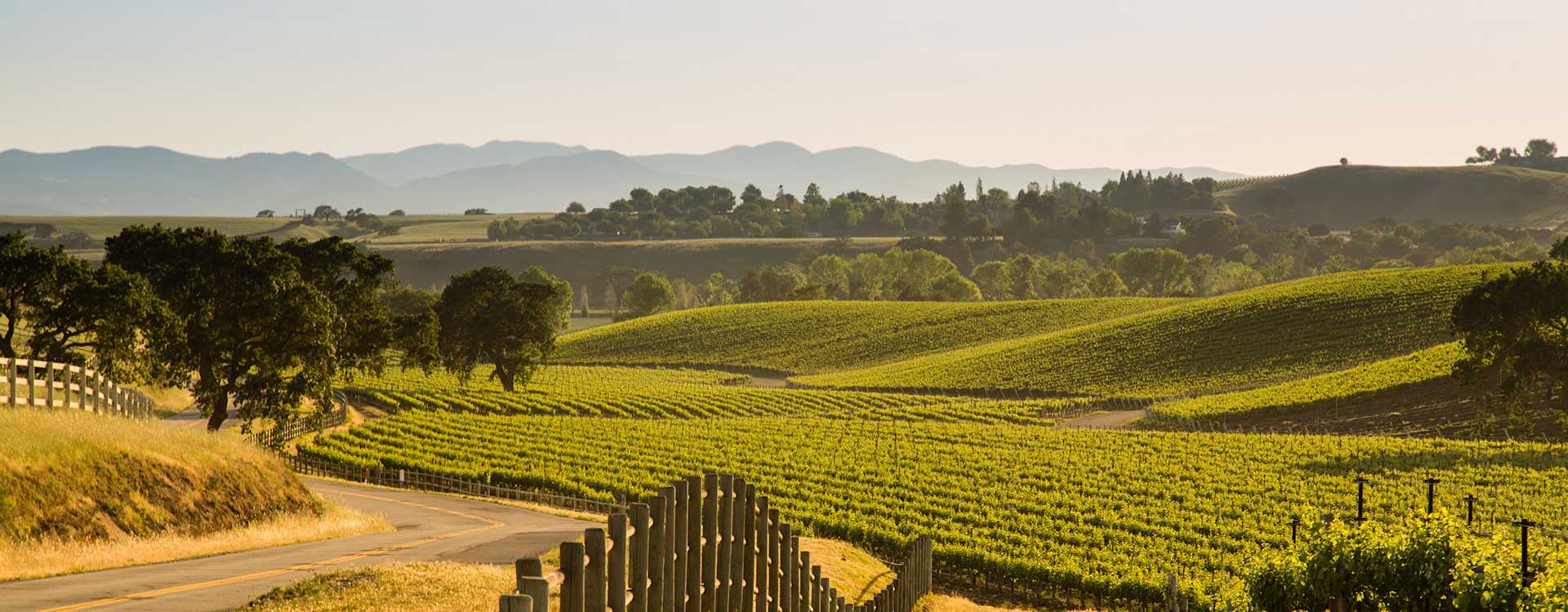
Maintained by a long history of knowledgeable grape growers and a current generation of persevering winemakers, modern Texas wine production continues to flourish. Today Texas ranks fifth in production volume and boasts a number of variations in climatic conditions and terrain suitable for viticulture.
The Spanish planted the first vineyards in the state in the 1660s in Ysleta Mission near what is now El Paso. Texas is also home of the famous taxonomist, Thomas Munson, who led extensive research in the 1880s on vine breeding and is credited with saving Europe from complete phylloxera devastation. His results led to the French importation of huge amounts of American species phylloxera-resistant rootstocks, which when grafted onto their non-resistant Vitis vinifera species, prevented the spread of the disease.
Today Texas boasts over 275 bonded wineries and eight official American Viticultural Areas (AVAs). Some of the main AVAs include Texas High Plains, Texas Hill Country, Bell Mountain, Escondido Valley and Fredericksburg.
After experimentation with popular California varieties yielded mixed results, many growers have turned their focus to heat and drought-resistant Mediterranean varieties. Grapes such as Syrah, Tempranillo, Sangiovese, Viognier and Vermentino are well-suited to the Texas environment, especially the Texas High Plains AVA in the northwestern Panhandle of Texas where vineyards are planted at 3,000-4,000 feet. This AVA receives of plenty of sunshine and cool nighttime temperatures support acid retention.