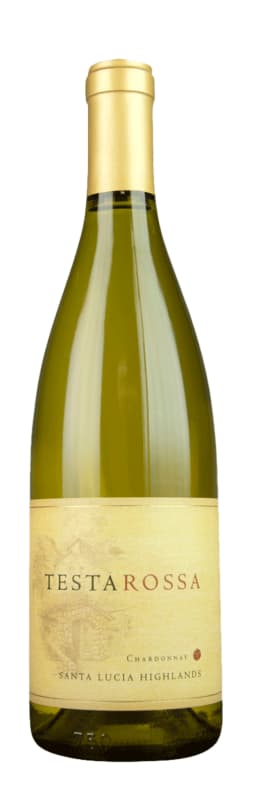


Winemaker Notes
Pale yellow hue. Enchanting scents of fig, kiwi, apple, honey, peach and apricot. With some time, notes of melon, lemon and orange-zest freshen the nose. All of these elements segue into the palate and are met with notes of custard and crème brulee. As this Chardonnay rests in the mouth, the dense, lush, and pleasing character shines brightly. Enjoy this wine with its long and lively finish now through 2026.
Professional Ratings
-
The Somm Journal
Also Burgundian in style, this white is stark, clean, and edgy after 11 months of aging in French oak. Its high-impact acidity ties into notes of lemon wedge and vanilla cream– topped Asian pear.
-
Connoisseurs' Guide
Yet another very well-made Chardonnay from Testarossa that reminds that single-vineyard designation does not always mean that a wine is better than one without, this appellation bottling from the Santa Lucia Highlands stands with its partner from the Santa Rita Hills in delivering plenty to like. It, too, is fresh and fruity and, if arguably not quite as deep or complex as it maker’s top efforts, it is by no means a simple wine and displays very fine balance with a forthright and long-lasting message of oaksweetened apples.


One of the most popular and versatile white wine grapes, Chardonnay offers a wide range of flavors and styles depending on where it is grown and how it is made. While it tends to flourish in most environments, Chardonnay from its Burgundian homeland produces some of the most remarkable and longest lived examples. California produces both oaky, buttery styles and leaner, European-inspired wines. Somm Secret—The Burgundian subregion of Chablis, while typically using older oak barrels, produces a bright style similar to the unoaked style. Anyone who doesn't like oaky Chardonnay would likely enjoy Chablis.

Perhaps the most highly regarded appellation within Monterey County, Santa Lucia Highlands AVA benefits from a combination of warm morning sunshine and brisk afternoon breezes, allowing grapes to ripen slowly and fully. The result is concentrated, flavorful wines that retain their natural acidity. Wineries here do not shy away from innovation, and place a high priority on sustainable viticultural practices.
The climatic conditions here are perfectly suited to the production of ripe, rich Pinot Noir and Chardonnay. These Burgundian varieties dominate an overwhelming percentage of plantings, though growers have also found success with Syrah, Riesling and Pinot Gris.