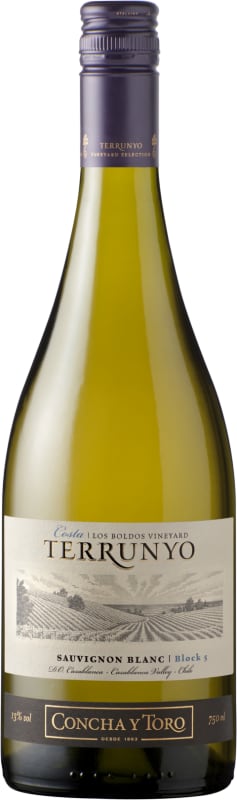


Winemaker Notes
Bright greenish-yellow in color. Very expressive character and elegant with delicate freshness and minerality. Highly complex. Good combination of herbal, gooseberry, lime, and grapefruit notes. Medium- to full-bodied with sweet ripeness, and sea and salty notes, chalky nuances, citrus, lemon curd, and herbal notes. Deep and lingering finish. Well-balanced, with crisp, juicy acidity. Food Pairing: Oysters, shellfish, and lean white fish in light preparations with white wine or lemon. Fresh salads. Pasta with fresh tomato sauce. Fresh goat cheese with herbs. Thai and Vietnamese food in delicately prepared dishes based on coconut milk and fresh herbs such as mint and cilantro, exotic fruits, sweet and sour sauces, and mild curries.


Capable of a vast array of styles, Sauvignon Blanc is a crisp, refreshing variety that equally reflects both terroir and varietal character. Though it can vary depending on where it is grown, a couple of commonalities always exist—namely, zesty acidity and intense aromatics. This variety is of French provenance. Somm Secret—Along with Cabernet Franc, Sauvignon Blanc is a proud parent of Cabernet Sauvignon. That green bell pepper aroma that all three varieties share is no coincidence—it comes from a high concentration of pyrazines (herbaceous aromatic compounds) inherent to each member of the family.

A region that has become synonymous with some of the best whites of Chile, the Casablanca Valley is full of dozens of bodegas who either grow fruit here or come from outside to source from local growers for their own white wine programs. The valley runs from east to west, which means that its westernmost vineyards receive the most cooling influence from the reliable afternoon sea breezes. The soils also tend to be heavier in clay in the west, whereas the eastern end of the valley is warmer and its soils are predominantly granitic. Sauvignon blanc thrives here, Chardonnay does well and Pinot noir is not uncommon.