


Winemaker Notes
Blend: 33.33% Pedro Ximénez, 33.33% Macabeo, 33.33% Grenache Blanc
Professional Ratings
-
Robert Parker's Wine Advocate
They shortened the élevage of the white 2021 Pedra de Guix to 11 months, and they also stopped using the 1,800-liter foudre, where the wine partially aged in the past, and now it's matured in concrete vats (diamond-shaped ones!). The wine is floral, vertical and a lot less oxidative than even the 2019, which is less oxidative than previous years. It's a different profile of wine with very good depth and freshness. Funnily enough, this 2021 has a little more alcohol than the 2019 (13.5%), but the wine feels lighter on its feet.
-
James Suckling
More intensity here with a very subtle nutty edge. Pine nuts, dried pineapples, lemon peel and stones. Saline and concentrated in flavor but nothing hefty here. Fine tannins and bright acidity extend to a long, savory finish.

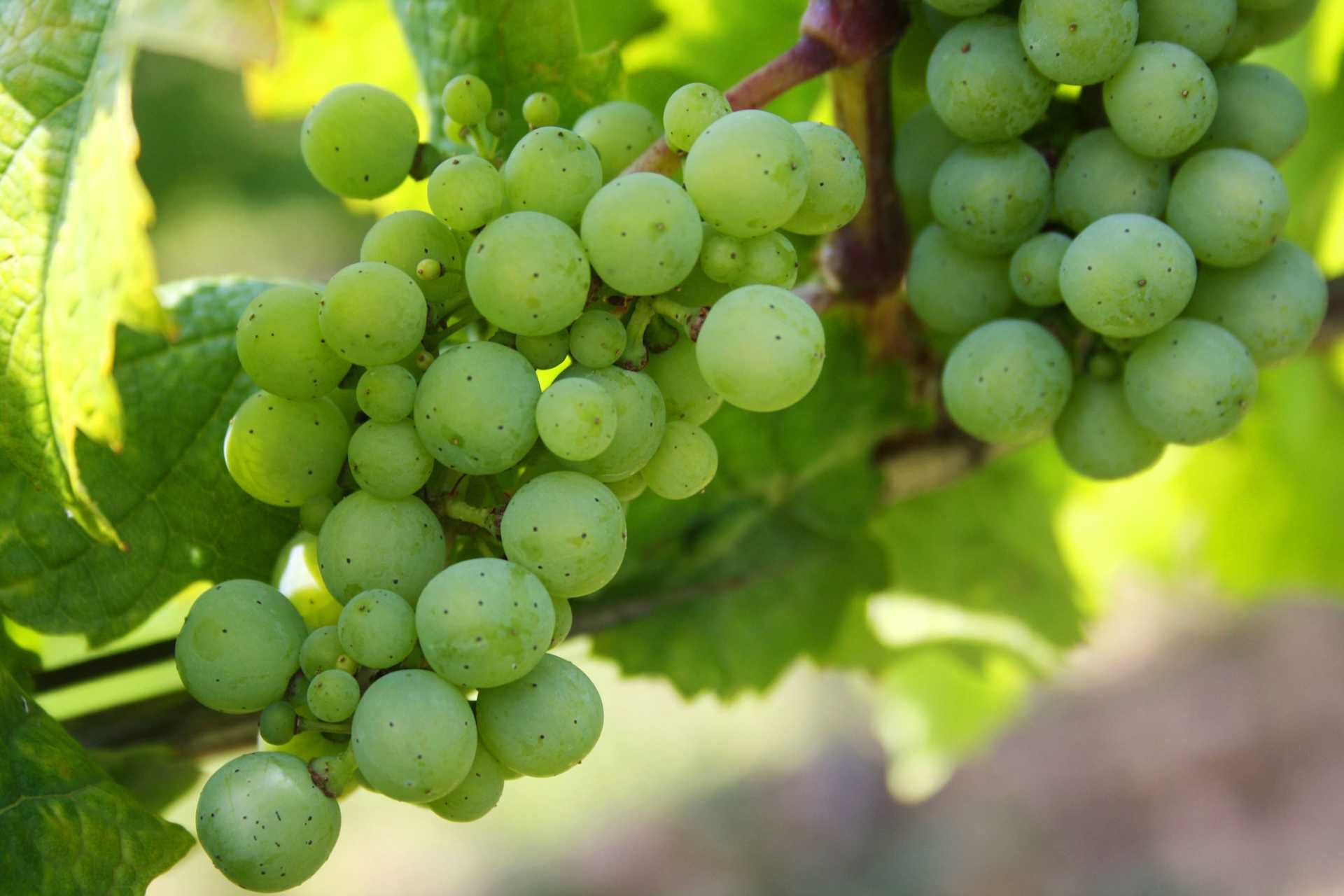
With hundreds of white grape varieties to choose from, winemakers have the freedom to create a virtually endless assortment of blended white wines. In many European regions, strict laws are in place determining the set of varieties that may be used in white wine blends, but in the New World, experimentation is permitted and encouraged. Blending can be utilized to enhance balance or create complexity, lending different layers of flavors and aromas. For example, a variety that creates a soft and full-bodied white wine blend, like Chardonnay, would do well combined with one that is more fragrant and naturally high in acidity. Sometimes small amounts of a particular variety are added to boost color or aromatics. Blending can take place before or after fermentation, with the latter, more popular option giving more control to the winemaker over the final qualities of the wine.

Tiny and entirely composed of craggy, jagged and deeply terraced vineyards, Priorat is a Catalan wine-producing region that was virtually abandoned until the early 1990s. This Spanish wine's renaissance came with the arrival of one man, René Barbier, who recognized the region’s forgotten potential. He banded with five friends to create five “Clos” in the village of Gratallops. Their aim was to revive some of Priorat’s ancient Carignan vines, as well as plant new—mainly French—varieties. These winemakers were technically skilled, well-trained and locally inspired; not surprisingly their results were a far cry from the few rustic and overly fermented wines already produced.
This movement escalated Priorat’s popularity for a few reasons. Its new wines were modern and made with well-recognized varieties, namely old Carignan and Grenache blended with Syrah, Cabernet Sauvignon and Merlot. When the demand arrived, scarcity commanded higher prices and as the region discovered its new acclaim, investors came running from near and far. Within ten years, the area under vine practically doubled.
Priorat’s steep slopes of licorella (brown and black slate) and quartzite soils, protection from the cold winds of the Siera de Monstant and a lack of water, leading to incredibly low vine yields, all work together to make the region’s wines unique. While similar blends could and are produced elsewhere, the mineral essence and unprecedented concentration of a Priorat wine is unmistakable.