


Winemaker Notes
A hands-off biodynamic approach reflects the alluring taste of time and patience, a gentle velvet beauty that moves with waves of citrus, nuts and flowers across the palate. Rich, soft and ripe. The longer it is opened, the fresher it becomes in the glass, developing tension, depth, and a mouthwatering salinity expressing the soils of the region: clay, alluvial and slate. Anything but a simple pour and go, this is ultimately an expression of tradition and place.
Professional Ratings
-
James Suckling
A deep gold hue with orange tinges. This shows striking concentration and oxidative complexity that’s delivered in a subtle way, with understated aromas of apricot, papaya, cement, honeysuckle and a hint of turmeric. Flavorful, dry and quintessential on the medium-bodied palate with a creamy, sleek mouth-feel and a nice, caressing bite in the finish. Structured and fresh with medium acidity. Fun to drink now.
-
Robert Parker's Wine Advocate
The white 2019 Pedra de Guix is expressive, starting with a golden color and an open nose with marine hints and notes of honey, reminiscent of a Chenin Blanc. Since 2010, it has been a blend of one-third each Pedro Ximénez, Garnacha Blanca and Macabeo grapes from the villages of Lloar, Torroja and Poboleda, respectively. It was aged partly in oak foudre and partly in concrete, so the nutty notes have been diminished, and it feels less oxidative than previous years.

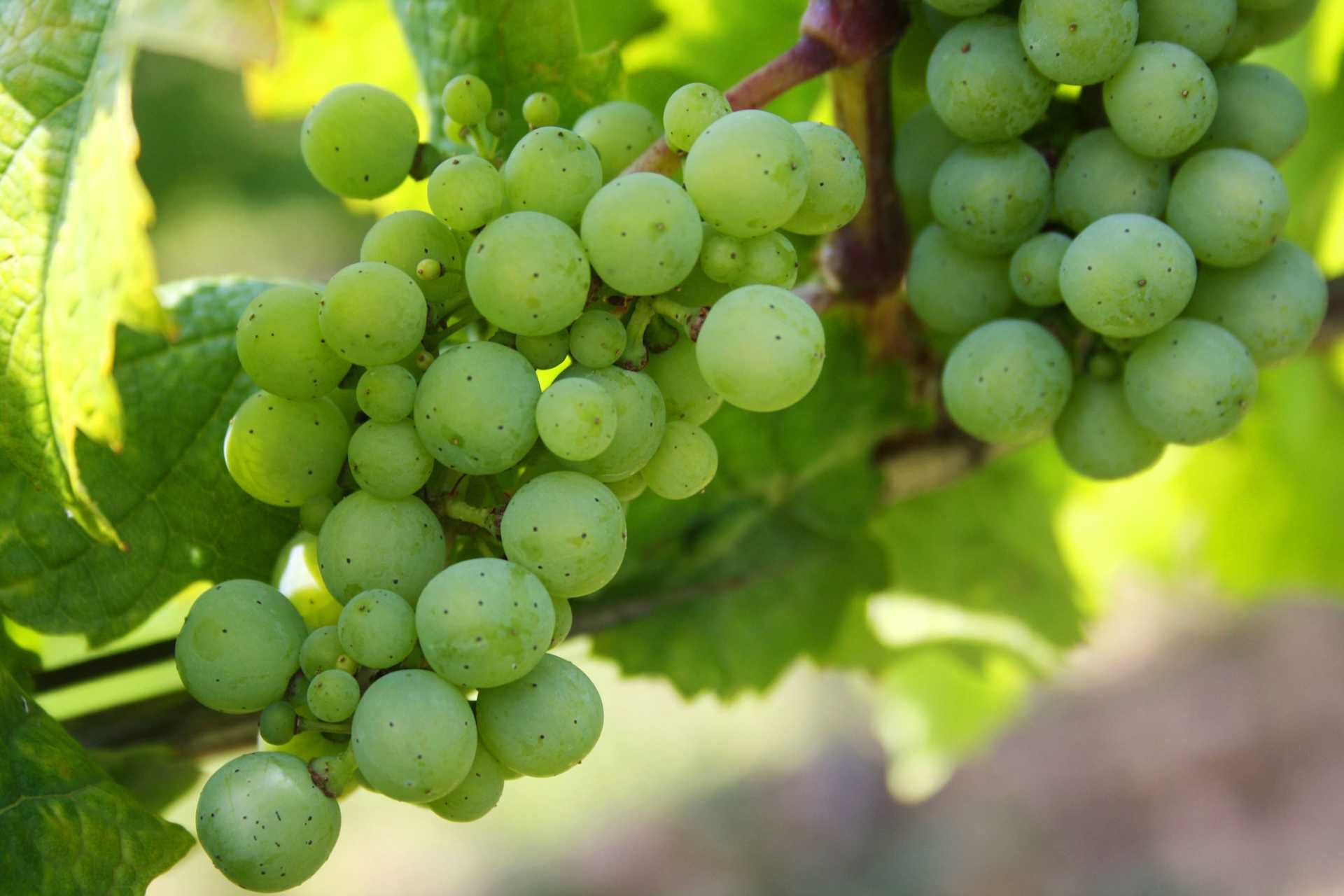
With hundreds of white grape varieties to choose from, winemakers have the freedom to create a virtually endless assortment of blended white wines. In many European regions, strict laws are in place determining the set of varieties that may be used in white wine blends, but in the New World, experimentation is permitted and encouraged. Blending can be utilized to enhance balance or create complexity, lending different layers of flavors and aromas. For example, a variety that creates a soft and full-bodied white wine blend, like Chardonnay, would do well combined with one that is more fragrant and naturally high in acidity. Sometimes small amounts of a particular variety are added to boost color or aromatics. Blending can take place before or after fermentation, with the latter, more popular option giving more control to the winemaker over the final qualities of the wine.

Tiny and entirely composed of craggy, jagged and deeply terraced vineyards, Priorat is a Catalan wine-producing region that was virtually abandoned until the early 1990s. This Spanish wine's renaissance came with the arrival of one man, René Barbier, who recognized the region’s forgotten potential. He banded with five friends to create five “Clos” in the village of Gratallops. Their aim was to revive some of Priorat’s ancient Carignan vines, as well as plant new—mainly French—varieties. These winemakers were technically skilled, well-trained and locally inspired; not surprisingly their results were a far cry from the few rustic and overly fermented wines already produced.
This movement escalated Priorat’s popularity for a few reasons. Its new wines were modern and made with well-recognized varieties, namely old Carignan and Grenache blended with Syrah, Cabernet Sauvignon and Merlot. When the demand arrived, scarcity commanded higher prices and as the region discovered its new acclaim, investors came running from near and far. Within ten years, the area under vine practically doubled.
Priorat’s steep slopes of licorella (brown and black slate) and quartzite soils, protection from the cold winds of the Siera de Monstant and a lack of water, leading to incredibly low vine yields, all work together to make the region’s wines unique. While similar blends could and are produced elsewhere, the mineral essence and unprecedented concentration of a Priorat wine is unmistakable.