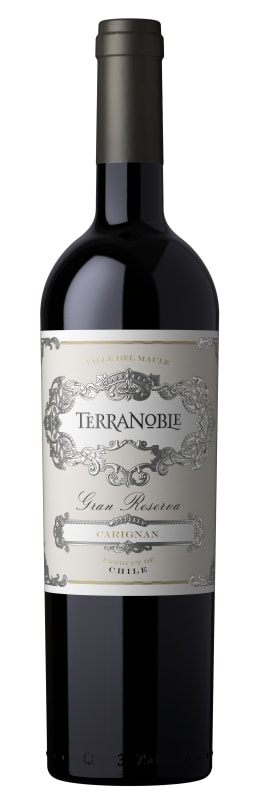


Winemaker Notes
Intense deep red color, with outstanding aromas of red fruits, sour cherries, flowers and mineral notes. Very refreshing, complex and well-structured on the palate, its rustic tannins have been tamed by the time spent in old barrels bestowing a better evolution of the tannins.
Pairs well with any type meat, especially lamb because the tannins cut through the fattiness without hiding the flavors of the food. Also a good match with strong cheeses.
Professional Ratings
-
Decanter
Spicy, savoury aromas with brighter top notes of redcurrant and cranberry on the nose. The palate is fresh, with crunchy sour cherry fruit, blackberries, herbs and spices and well integrated tannins. A great food wine.
-
Robert Parker's Wine Advocate
I wished for some more varietal character in the 2018 Gran Reserva Carignan, but at least the wine is fresh and balanced with moderate ripeness and alcohol compared with most of its siblings. It has some grainy tannins and a dry finish. It matured in concrete eggs and untoasted foudre for one year.


Responsible for some of the most stunning old vine red wine on the planet, Carignan has an amazing capacity to survive dry, arid climates and still produce lovely, mouthwatering wine. In Spain it goes by the name of Mazuelo or Cariñena and while it may have originated there in the province of Aragón, its popularity lies elsewhere, particularly in Languedoc-Roussillon. Somm Secret—Historically Carignan did not enjoy the respect that it does today. In the mid 20th century, Carignan covered nearly 140,000 ha in Algeria, where it was made into low quality bulk and blending wine to supply mass-market demand.

Maule is the Central Valley’s most southern and coolest zone, reaching a southern latitude of 35°S, yet it is still warmer and drier than Bío-Bío to its south. The Maule Valley enjoys success with a unique set of grapes.
It lays claim to the local variety, Pais (synonymous with Tinta Pais, which is actually Tempranillo), which has dominated much of the region’s area under vine until the recent past. Now many growers, not confined by the tradition and regulations of the Old World, also successfully grow Cabernet Sauvignon.
While Maule’s total area under vine remains relatively static, its old Carignan vineyards are undergoing a great revival. The VIGNO (Vignadores del Carignan Vintners) group, an association in charge of promoting this long-forgotten variety, is getting fantastic results from the old vines in its dry-farmed coastal zones.
The Maule includes the subregions of Talca, San Clemente, San Javier, Parral, Linares and Cauquenes.