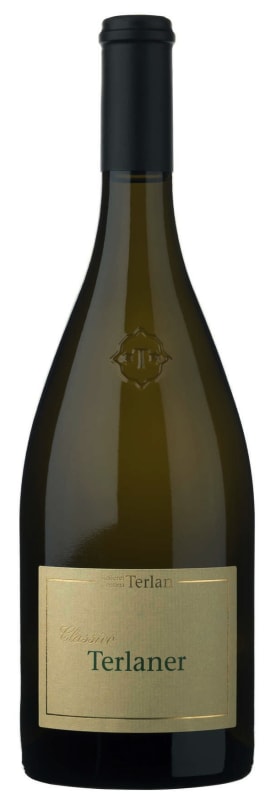


Winemaker Notes
A traditional regional choice with Terlano wine soup, raw white asparagus salad, typical dishes like pizza and pasta with tomato sauce or foccaccia with rosemary or penne all'arrabbiata; parmesan and fresh pecorino; also with South Tyrolean dishes like bacon dumplings or sausage with sauerkraut, and with turkey breast with root vegetables or a fine veal roast.
Blend: 60% Pinot Bianco, 30% Chardonnay, 10% Sauvignon Blanc
Professional Ratings
-
James Suckling
A subtle white with white pepper, thyme, citrus and quartz and other minerals. What this really trades in is minerality, whereby flinty and stoney aromas are conveyed in a linear streak of acidity. Medium-bodied and medium-long on the finish.
-
Robert Parker's Wine Advocate
This is the wine that best embodies the identity and personality of this iconic farming cooperative in Alto Adige. The 2018 Alto Adige Terlano Cuvèe is a blend of 60% Pinot Bianco, 30% Chardonnay and 10% Sauvignon Blanc. In the past, I have identified this wine as "Terlano Classico." But in keeping with the actual script on the front label, I have changed its name to Terlano Cuvèe instead. These three varieties reach enormous harmony and balance. The wine's texture is silky and satiny. There is plenty of support for aromas of tropical and passion fruit, peach, pear and sweet almond. It's another lovely pairing with crab or lobster. With 220,000 bottles made, this is one of the best white wine best buys in Italy today.




Located in the Dolomite Mountains in the foothills of the Alps, Terlano's distinctive location and extraordinary terroir are key to the development of their stunning, world-renowned wines. Situated in a sheltered hollow, Terlano benefits from an ideal south-facing exposure. Vineyard slopes ranging from 250m-900m ASL provide perfect conditions for the cultivation of grapes, especially Lagrein, a variety that is indigenous to the Alto Adige region. In the vineyard, red porphyry rocks with high mineral content retain the day's warmth, while the porous soil creates an environment with just enough moisture for the roots to extend deeper into this mineral-rich soil. In combination with cool evening temperatures, these factors create wines of incredible depth and potential for aging.
Founded in 1893, Cantina Terlano has grown into one of the leading wine growers' cooperatives in the Alto Adige region of northeastern Italy. With a current membership of 143 growers farming a total area of 165 hectares, Terlano ensures the highest standards of quality by compensating growers for the quality of their grapes not the quantity. The emphasis in the vineyard is on reducing yield in favor of producing more concentrated fruit.
Terlano produces 70 percent white wines and 30 percent red wines, all of them of DOC quality designation. Following a winery renovation in 2009, the cellars now include a total of 18,000m of storage space, which ensures that the wines can develop undisturbed. On the outside, the building has a natural exterior of red porphyry, the stone that gives the wines in the area their typical character. The roof of the winery is planted with vines so that the building blends in completely with the surrounding countryside.
Terlano wines are classified in four distinct quality lines: Tradition, Selection, Rarity and Primo. Terlano wines are famous for their incredible depth and complexity and their stellar reputation continues to make these wines highly sought after both at home and internationally.
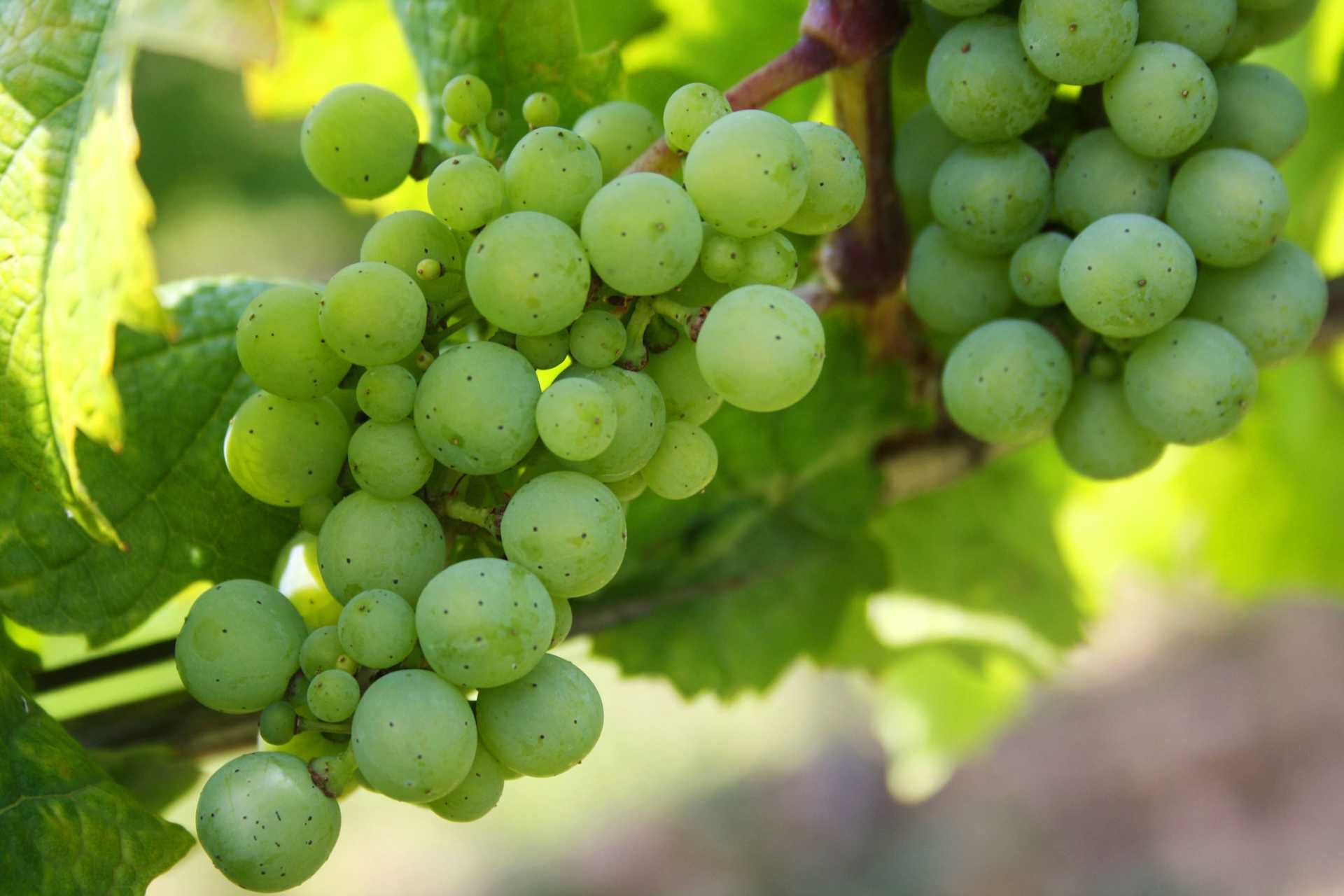
With hundreds of white grape varieties to choose from, winemakers have the freedom to create a virtually endless assortment of blended white wines. In many European regions, strict laws are in place determining the set of varieties that may be used in white wine blends, but in the New World, experimentation is permitted and encouraged. Blending can be utilized to enhance balance or create complexity, lending different layers of flavors and aromas. For example, a variety that creates a soft and full-bodied white wine blend, like Chardonnay, would do well combined with one that is more fragrant and naturally high in acidity. Sometimes small amounts of a particular variety are added to boost color or aromatics. Blending can take place before or after fermentation, with the latter, more popular option giving more control to the winemaker over the final qualities of the wine.
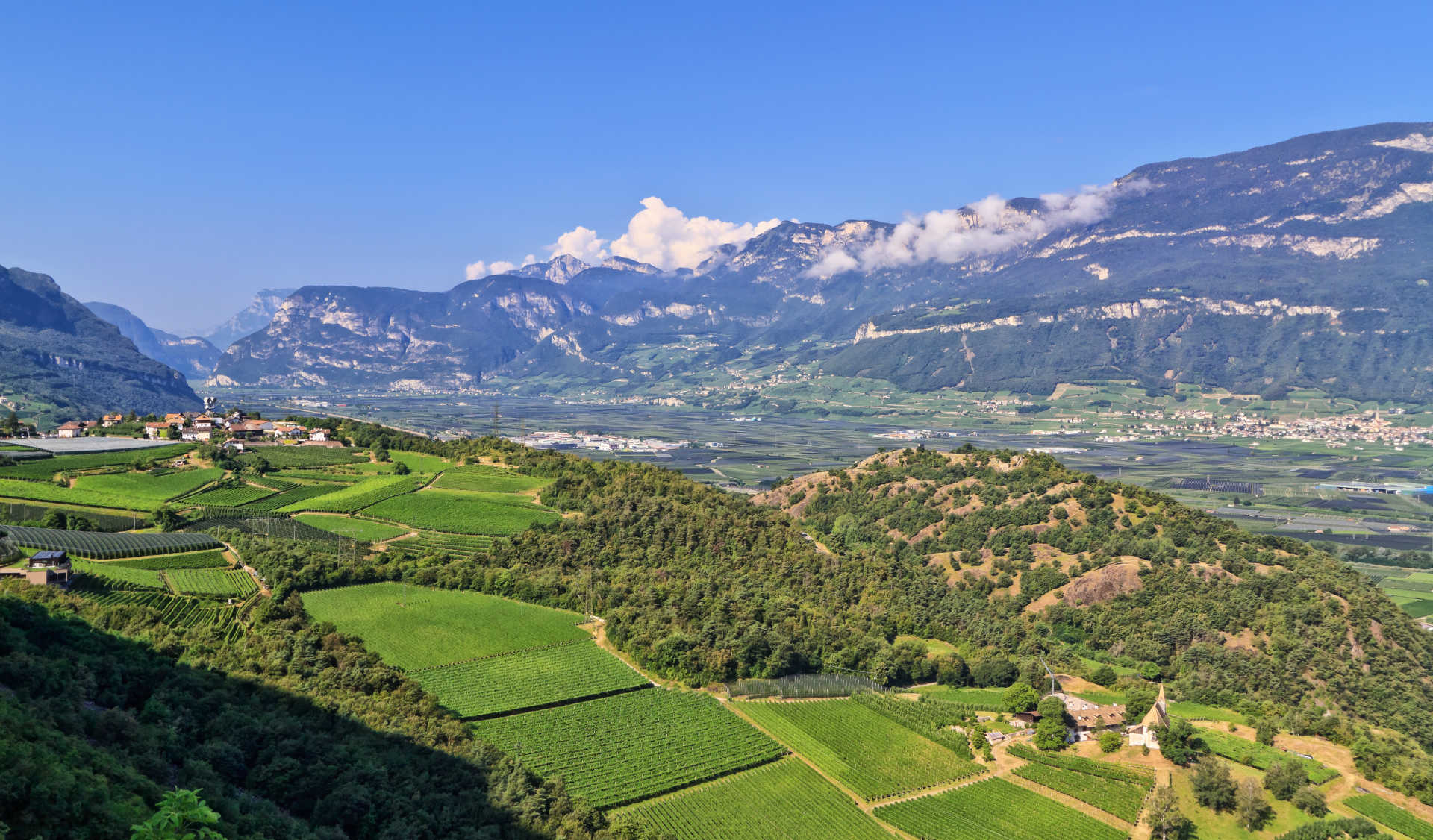
A mountainous northern Italian region heavily influenced by German culture, Trentino-Alto Adige is actually made up of two separate but similar regions: Alto Adige and Trentino.
Trentino, the southern half, is primarily Italian-speaking and largely responsible for the production of non-native, international grapes. There is a significant quantity of Chardonnay, Pinot Grigio and Merlot produced. But Trentino's native and most unique red variety, Teroldego, while still rare, is gaining popularity. It produces a deeply colored red wine rich in wild blackberry, herb, coffee and cocoa.
The rugged terrain of German-speaking Alto Adige (also referred to as Südtirol) focuses on small-scale viticulture, with great value placed on local varieties—though international varieties have been widely planted since the 1800s. Sheltered by the Alps from harsh northerly winds, many of the best vineyards are at extreme altitude but on steep slopes to increase sunlight exposure.
Dominant red varieties include the bold, herbaceous Lagrein and delicate, strawberry-kissed, Schiava, in addition to some Pinot Nero.
The primary white grapes are Pinot grigio, Gewürztraminer, Chardonnay and Pinot blanc, as well as smaller plantings of Sauvignon blanc, Müller Thurgau. These tend to be bright and refreshing with crisp acidity and just the right amount of texture. Some of the highest quality Pinot grigio in Italy is made here.