


Winemaker Notes
The Greco Grapes originate from selected vines within a 6 acre parcel in the San Paolo area within the town of Tufo. Here the vineyards are over 30 years old and grow near sulphureous mines. They are cultivated following different historic methods of the region. Harvest is done by hand and generally happens between the first and the second week of October, depending on the vintage characteristics. Fermentation happens in stainless steel tanks; then the following year 80% of the cuvee is aged in gently toasted large tonneaux oak barrels and the remaining 20% in amphora. Afterwards the finished wine is aged in bottle for an additional year before release.
Professional Ratings
-
Robert Parker's Wine Advocate
This wine sources its fruit from the same Nassano site that Feudi di San Gregorio uses in their Feudi Studi series. The Tenute Capaldo 2019 Greco di Tufo Goleto is a large-scale white wine with an important sense of volume and depth. Some 80% of the wine is aged in tonneaux and 20% in amphorae. Indeed, Greco seems to enjoy a much better oxygen exchange in amphorae compared to Fiano (which tends to oxidize). Showing considerable volume, texture and medium fruit weight, this wine reveals oak spice, classic baking spices, soft peach and poached pear.
-
Wine Spectator
A rich white, sleek and harmonious, in a medium-bodied frame. Shows a subtle, round fleshiness to the ripe yellow melon and apricot fruit, vanilla and crushed hazelnut flavors, but a racy streak of acidity lends fine definition, while accents of fresh thyme, verbena and stone add greater detail. Fresh, salty finish. Drink now through 2028.





Tenute Capaldo is a boutique estate who produces only two single-vineyard wines: Goleto and Gulielmus. They are effectively the reference points for Campanian Greco di Tufo and Campanian Taurasi (Aglianico). This is a passion project of Antonio Capaldo, the owner of Feudi di San Gregorio, one of the largest and most respected wineries in Southern Italy. Tenute Capaldo is separate from Feudi, and designed to show off the unique, diverse terroir of the Irpinia region in the central part of Campania. These are very small production wines that showcase the beauty and potential of Southern Italy.
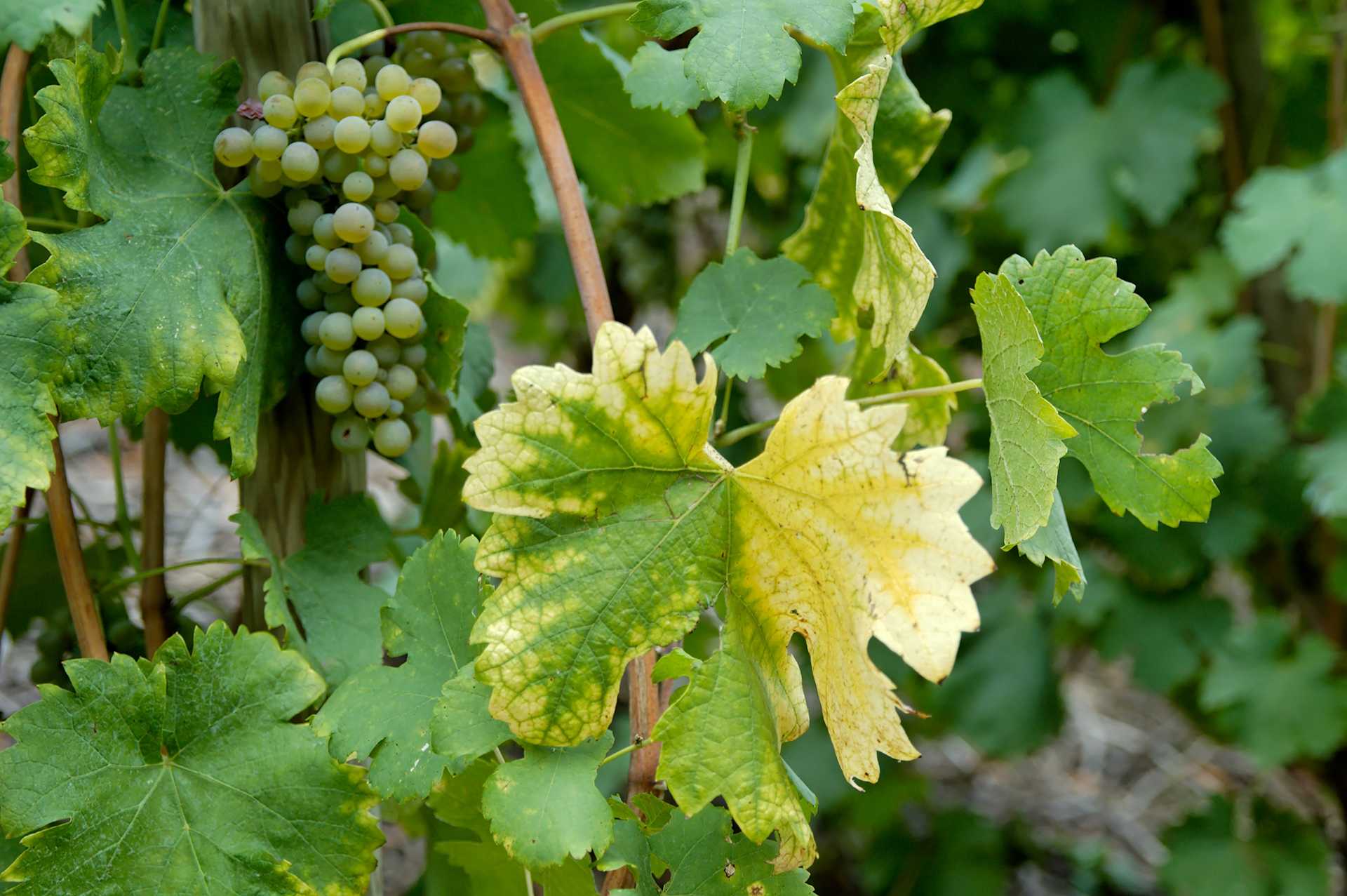
A late-ripening, medium-bodied variety from Campania, Greco delivers a relatively high acidity and flaunts an invigorating mineral character alongside fresh citrus, stone fruitand herb flavors. Somm Secret—The name Tufo comes from the soft, volcanic rock found all over in the subsoil of the region where Greco thrives.

A winemaking renaissance is underfoot in Campania as more and more small, artisan and family-run wineries redefine their style with vineyard improvements and cellar upgrades. The region boasts a cool Mediterranean climate with extreme coastal, as well as high elevation mountain terroirs. It is cooler than one might expect in Campania; the region usually sees some of the last harvest dates in Italy.
Just south of Mount Vesuvio, the volcanic and sandy soils create aromatic and fresh reds based on Piedirosso and whites, made from Coda di Volpe and Falanghina. Both reds and whites go by the name, Lacryma Christi, meaning the "tears of Christ." South of Mount Vesuvio, along the Amalfi Coast, the white varieties of Falanghina and Biancolella make fresh, flirty, mineral-driven whites, and the red Piedirosso and Sciasinoso vines, which cling to steeply terraced coastlines, make snappy and ripe red wines.
Farther inland, as hills become mountains, the limestone soil of Irpinia supports the whites Fiano di Avellino, Falanghina and Greco di Tufo as well as the most-respected red of the south, Aglianico. Here the best and most age-worthy examples come from Taurasi.
Farther north and inland near the city of Benevento, the Taburno region also produces Aglianico of note—called Aglianico del Taburno—on alluvial soils. While not boasting the same heft as Taurasi, these are also reliable components of any cellar.