


Winemaker Notes
Campo dei Gigli is Tenuta Sant'Antonio's most important vineyard, the source of the winery's flagship Amarone della Valpolicella wine. In the traditional fashion, the grapes from this vineyard are taken to the winery's drying room for at least 3 months to allow water to evaporate. The raisinated grapes have a high ratio of solids to water and create an Amarone with a classic style, concentrated and with balsamic notes. The vineyard name means "field of lilies," the flower symbol of the winery.
Professional Ratings
-
James Suckling
This producer is in top form, embellishing a brilliant line of whites with very good reds. Pointed aromas of dried tobacco, Morello cherries, kirsch and anise. A brilliant confluence of crunch, sap and extract, none of the component overwhelming the others, although the power of the wine is clear. Leaves the impression of freshness over tiring sweet fruit. This is a very fine, contemporary expression of Amarone that demands attention. Long, detailed and immensely classy. Drinkable now, but best from 2027.
-
Vinous
Remarkably pretty, yet dark and intense, the 2018 Amarone della Valpolicella Campo dei Gigli bursts from the glass with dusty notes of dried roses, balsamic spice, tobacco, dark chocolate and dried black cherries. Seamless and elegant in style, this envelops the palate with ripe red and blue fruits, taking on a bitter tinge of mocha and espresso toward the close. It finishes long and staining, with a coating of fine-grained tannins that adds a classically dry impression while minty herbal tones maintain freshness. This transcends the 2018 vintage, yet patience will be required.


With hundreds of red grape varieties to choose from, winemakers have the freedom to create a virtually endless assortment of blended red wines. In many European regions, strict laws are in place determining the set of varieties that may be used, but in the New World, experimentation is permitted and encouraged resulting in a wide variety of red wine styles. Blending can be utilized to enhance balance or create complexity, lending different layers of flavors and aromas. For example, a red wine blend variety that creates a fruity and full-bodied wine would do well combined with one that is naturally high in acidity and tannins. Sometimes small amounts of a particular variety are added to boost color or aromatics. Blending can take place before or after fermentation, with the latter, more popular option giving more control to the winemaker over the final qualities of the wine.
How to Serve Red Wine
A common piece of advice is to serve red wine at “room temperature,” but this suggestion is imprecise. After all, room temperature in January is likely to be quite different than in August, even considering the possible effect of central heating and air conditioning systems. The proper temperature to aim for is 55° F to 60° F for lighter-bodied reds and 60° F to 65° F for fuller-bodied wines.
How Long Does Red Wine Last?
Once opened and re-corked, a bottle stored in a cool, dark environment (like your fridge) will stay fresh and nicely drinkable for a day or two. There are products available that can extend that period by a couple of days. As for unopened bottles, optimal storage means keeping them on their sides in a moderately humid environment at about 57° F. Red wines stored in this manner will stay good – and possibly improve – for anywhere from one year to multiple decades. Assessing how long to hold on to a bottle is a complicated science. If you are planning long-term storage of your reds, seek the advice of a wine professional.
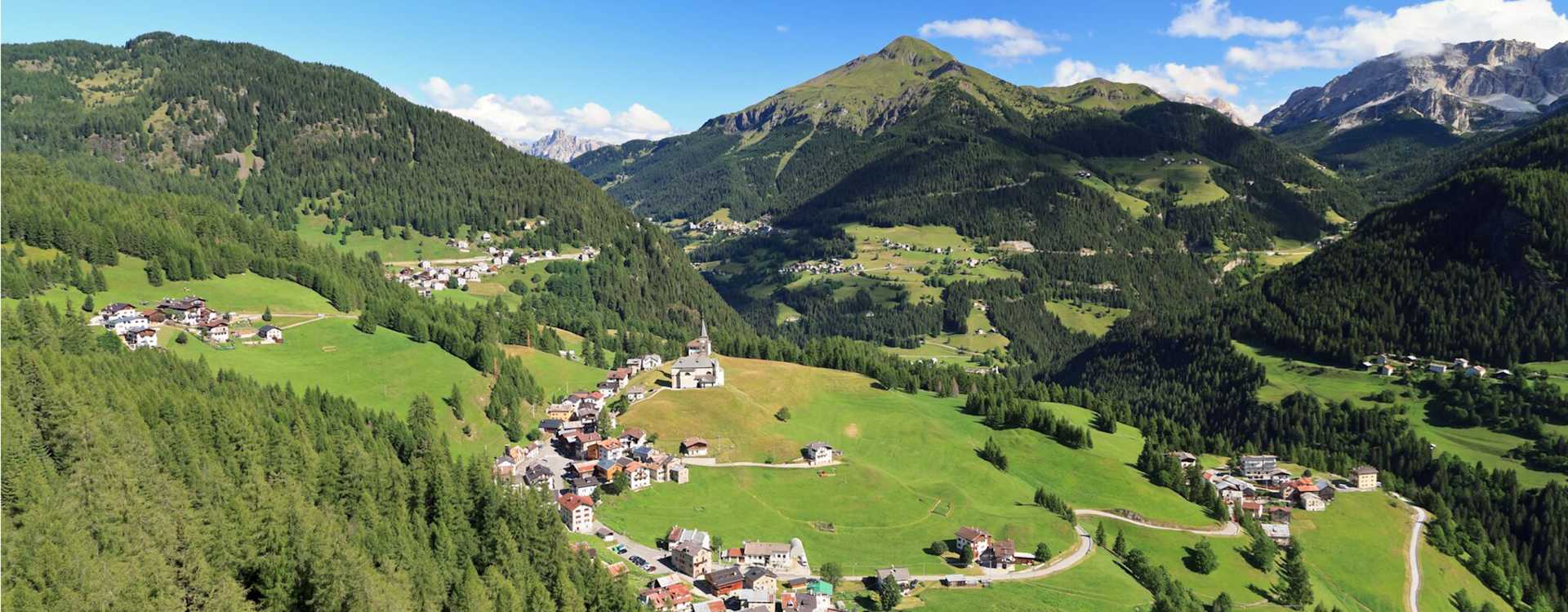
The region of Treviso is famous for the origin of the sparkling wines called Prosecco, which are made from its native Glera grape. Within Treviso are the Prosecco de Conegliano Valdobbiadene DOCG and Colli Asolani Prosecco DOCG appellations, which are independent of the more general Prosecco DOC.