
Winemaker Notes
Ideal with poultry, red meats, roasts, braises, game and aged cheeses
Professional Ratings
-
James Suckling
Wonderful aromas of sweet tobacco, currant and chocolate powder follow through to a full body with integrated, velvety tannins and a long, flavorful finish. Lots of lead-pencil and spice undertones. Texture is exquisite. Drink or hold.
-
Robert Parker's Wine Advocate
To be released in 2015, the 2008 San Leonardo is a wine in its infancy. The nose is immediately redolent of dark cherry, blackberry, leather, tobacco, mint and eucalyptus leaf. You will also appreciate the floral tones of pressed rose and almond blossom that lift from the glass. The harvest schedule played out on time with Carmenère coming in at the end of September and Cabernets Franc and Sauvignon towards the beginning of October. The 2008 vintage is especially marked by a duality of floral and menthol notes that rise from the glass with brilliant intensity. The 2008 vintage needs ten year or more to find its proper footing.


One of the world’s most classic and popular styles of red wine, Bordeaux-inspired blends have spread from their homeland in France to nearly every corner of the New World. Typically based on either Cabernet Sauvignon or Merlot and supported by Cabernet Franc, Malbec and Petit Verdot, the best of these are densely hued, fragrant, full of fruit and boast a structure that begs for cellar time. Somm Secret—Blends from Bordeaux are generally earthier compared to those from the New World, which tend to be fruit-dominant.
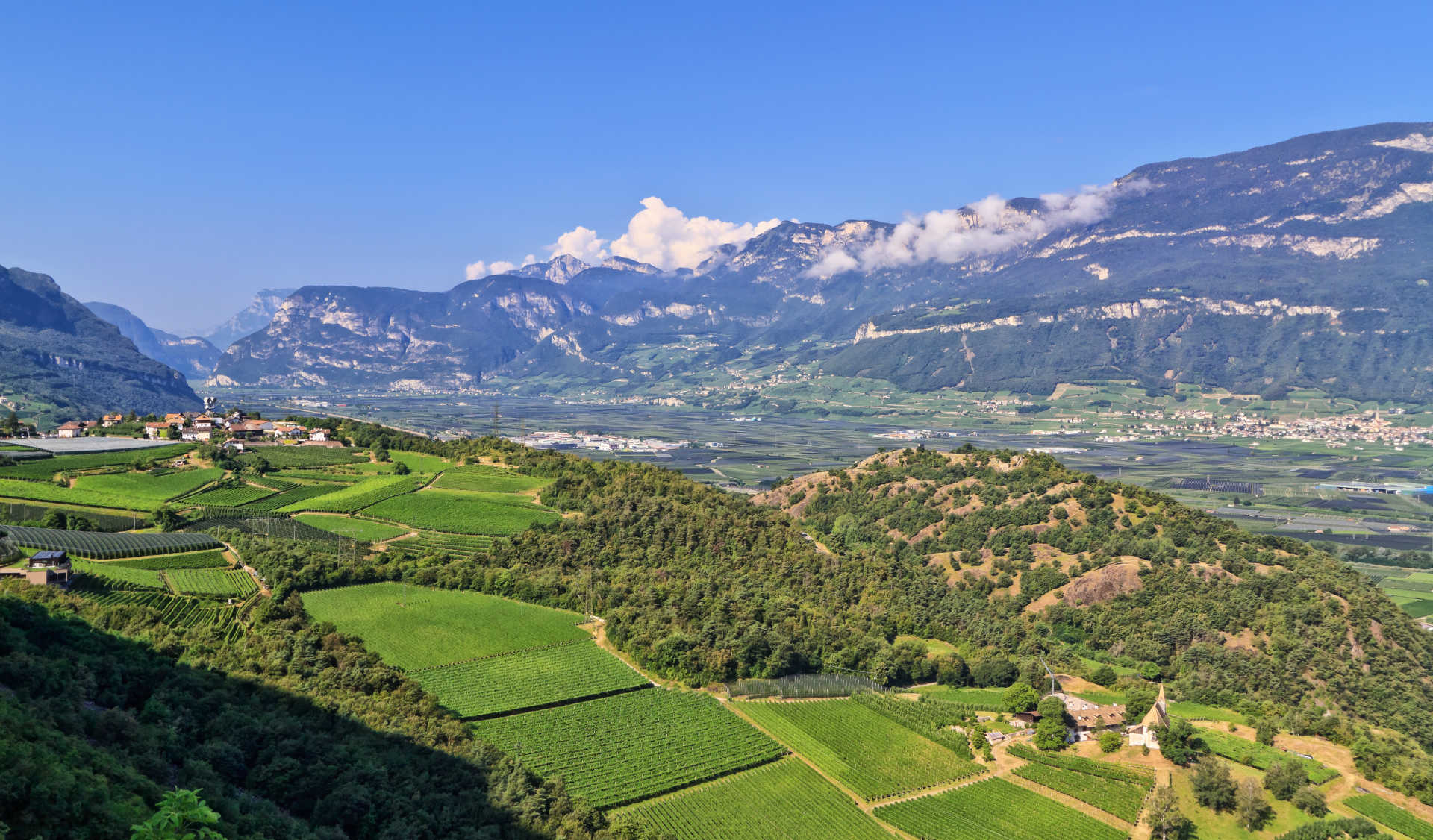
A mountainous northern Italian region heavily influenced by German culture, Trentino-Alto Adige is actually made up of two separate but similar regions: Alto Adige and Trentino.
Trentino, the southern half, is primarily Italian-speaking and largely responsible for the production of non-native, international grapes. There is a significant quantity of Chardonnay, Pinot Grigio and Merlot produced. But Trentino's native and most unique red variety, Teroldego, while still rare, is gaining popularity. It produces a deeply colored red wine rich in wild blackberry, herb, coffee and cocoa.
The rugged terrain of German-speaking Alto Adige (also referred to as Südtirol) focuses on small-scale viticulture, with great value placed on local varieties—though international varieties have been widely planted since the 1800s. Sheltered by the Alps from harsh northerly winds, many of the best vineyards are at extreme altitude but on steep slopes to increase sunlight exposure.
Dominant red varieties include the bold, herbaceous Lagrein and delicate, strawberry-kissed, Schiava, in addition to some Pinot Nero.
The primary white grapes are Pinot grigio, Gewürztraminer, Chardonnay and Pinot blanc, as well as smaller plantings of Sauvignon blanc, Müller Thurgau. These tend to be bright and refreshing with crisp acidity and just the right amount of texture. Some of the highest quality Pinot grigio in Italy is made here.