


Winemaker Notes
The inspiration behind this wine was the desire to reintroduce one of the indigenous varieties from this part of the Tyrrhenian coast, recognized and appreciated since the 1990's for its aromatic qualities. Bolgheri's microclimate is particularly favorable for Vermentino production due to both the territory's orientation and proximity to the sea which gives the wine pronounced mineral notes, freshness and aromatic qualities.
Professional Ratings
-
Wine Spectator
An intensely flavored white, delivering notes of white flowers, passion fruit, peach, apple and spices, with a hint of wild Mediterranean herbs. Harmonious and succulent, this persists on the aftertaste. Drink now through 2028. 7,500 cases imported.
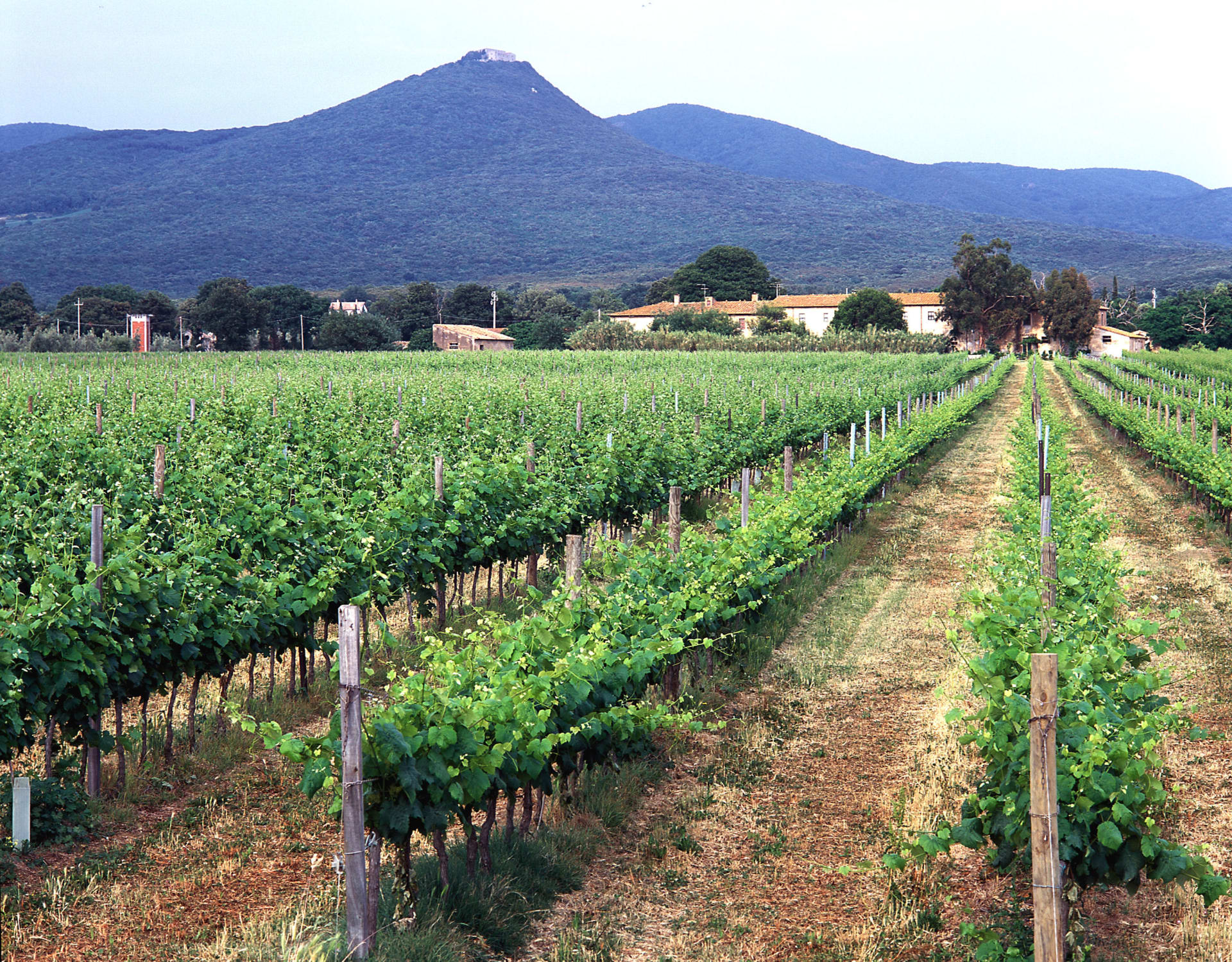




The Guado al Tasso Estate is located in the prestigious Bolgheri DOC, part of the Tuscan coastal area of Maremma, known for its untamed landscape and unspoiled beauty. Just 60 miles southwest of Florence, it sits on a magnificent plain in the heart of the Bolgheri amphitheater, a natural phenomenon created by hills that embrace the sea and produce a mild and temperate microclimate. Blessed with ample sunshine and constant breezes that take the edge off the summer heat and winter cold, Guado al Tasso is the ideal environment for cultivating healthy vine growth and proper ripening of the estate’s grapes. Inherited from Carlotta della Gherardesca, and revolutionized by Niccoló Antinori, the mother and father of Piero Antinori, Guado al Tasso is a reference point property in the life and history of the family. Here the challenge is to create wines of absolute excellence, always representative of the Bolgheri history, culture, and winemaking traditions.

A fantastic, aromatic white grape that grows with great success in Sardinia, Tuscany and in lesser proportions on the island of Corsica. Somm Secret—Vermentino is thought to be genetically identical to Liguria’s Pigato grape and Peidmont’s Favorita. It comprises a large proportion of the whites in southern France where it is called Rolle.

An outstanding wine region made famous by Marchese Mario Incisa della Rocchetta, who planted Cabernet Sauvignon vines for his own consumption in 1940s on his San Guido estate, and called the resulting wine, Sassicaia. Today the region’s Tuscan reds are based on Cabernet Sauvignon and Merlot, which can be made as single varietal wines or blends. The local Sangiovese can make up no more than 50% of the blends. Today Sassicaia has its own DOC designation within the Bogheri DOC appellation.