


Winemaker Notes
Scalabrone 2023 is light peony pink in color. Aromas on the nose are intense, pleasant floral and fruity notes of cherries, pomegranates, and roses. The palate is delightfully fruity and savory with outstanding freshness and persistence.
Professional Ratings
-
Vinous
The 2023 Rosato Scalabrone, from Bolgheri, is almost neon pink in the glass. The seriousness of aromas and flavors belies the fun color—this is layered and complex. Blood orange, bell pepper, bergamot, stemmy herbs, forest floor and a hint of earthiness lend tons of nuance. Zippy, electric acidity instantly flows across the palate, adding brightness and lift. The finish is long and clean, culminating with a touch of sweet red cherry and a welcome hint of ripeness. This would be equally at home as an apéritif or at the dinner table.
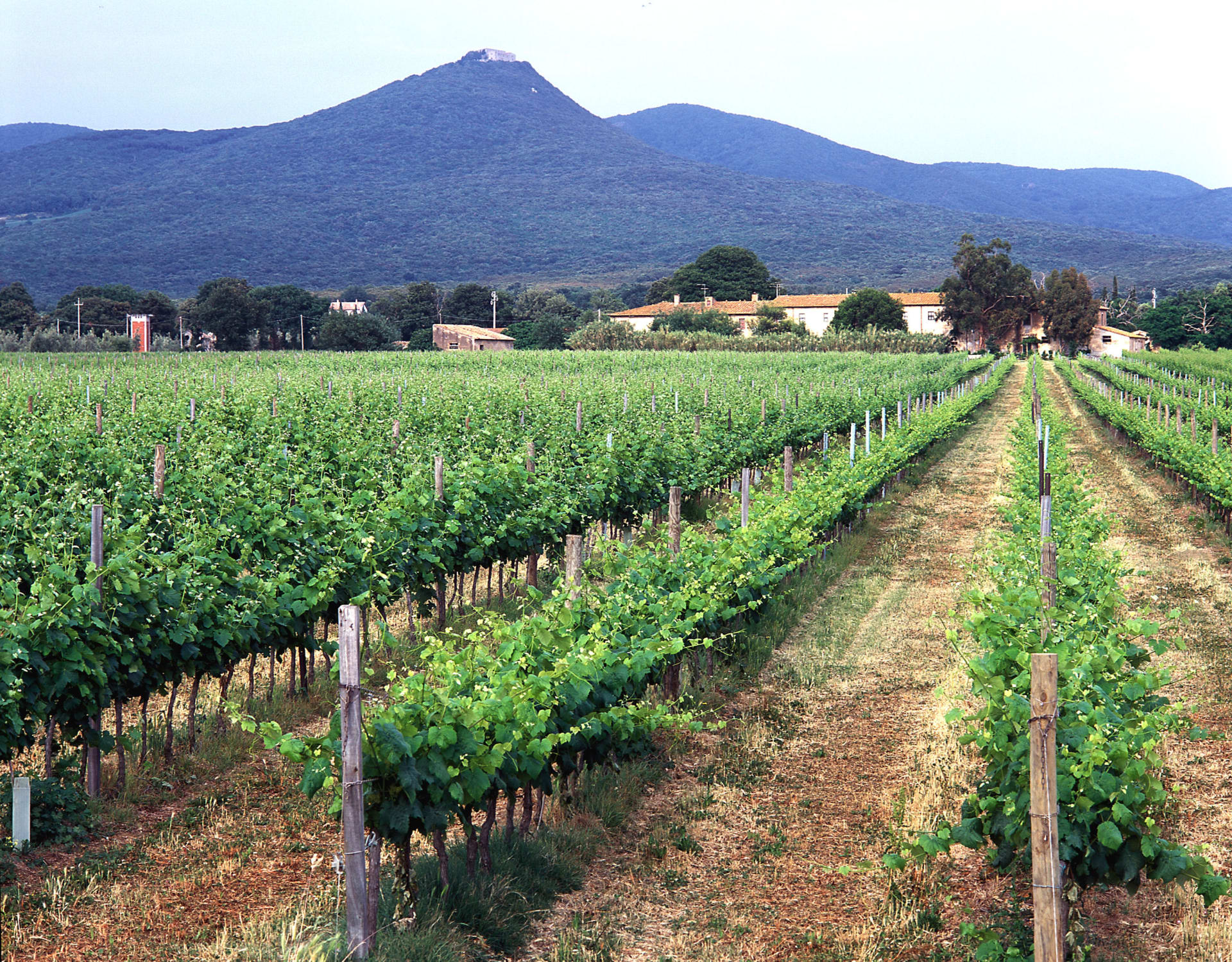




The Guado al Tasso Estate is located in the prestigious Bolgheri DOC, part of the Tuscan coastal area of Maremma, known for its untamed landscape and unspoiled beauty. Just 60 miles southwest of Florence, it sits on a magnificent plain in the heart of the Bolgheri amphitheater, a natural phenomenon created by hills that embrace the sea and produce a mild and temperate microclimate. Blessed with ample sunshine and constant breezes that take the edge off the summer heat and winter cold, Guado al Tasso is the ideal environment for cultivating healthy vine growth and proper ripening of the estate’s grapes. Inherited from Carlotta della Gherardesca, and revolutionized by Niccoló Antinori, the mother and father of Piero Antinori, Guado al Tasso is a reference point property in the life and history of the family. Here the challenge is to create wines of absolute excellence, always representative of the Bolgheri history, culture, and winemaking traditions.

Whether it’s playful and fun or savory and serious, most rosé today is not your grandmother’s White Zinfandel, though that category remains strong. Pink wine has recently become quite trendy, and this time around it’s commonly quite dry. Since the pigment in red wines comes from keeping fermenting juice in contact with the grape skins for an extended period, it follows that a pink wine can be made using just a brief period of skin contact—usually just a couple of days. The resulting color depends on grape variety and winemaking style, ranging from pale salmon to deep magenta.

An outstanding wine region made famous by Marchese Mario Incisa della Rocchetta, who planted Cabernet Sauvignon vines for his own consumption in 1940s on his San Guido estate, and called the resulting wine, Sassicaia. Today the region’s Tuscan reds are based on Cabernet Sauvignon and Merlot, which can be made as single varietal wines or blends. The local Sangiovese can make up no more than 50% of the blends. Today Sassicaia has its own DOC designation within the Bogheri DOC appellation.