


Winemaker Notes
Professional Ratings
-
Wine Enthusiast
The nose is peppery and earthy, and also has a tangy, invigorating element like tart blackberries squished over damp soil and graphite. On the palate, layers of sweet, dark berries and dark chocolate create a sleek, acrobatic wine.
-
Jeb Dunnuck
The 2023 Cont’Ugo, made entirely from Merlot, pours a deep, inky red hue and is aromatic and inviting, with notes of crushed lavender, plum compote, blackberry, sweet earth, mint, and fresh herbs. Full-bodied, supple, and rounded, it offers velvety tannins and a balanced core of acidity that maintains freshness and lift. Sourced from vineyards across the northern, central, and southern zones of the appellation, it captures both ripeness and levity. It’s a polished and expressive wine with good depth and length.
-
Wine Spectator
Rich, inviting and harmonious, this is laced with black cherry, blackberry, plum, vanilla, toast and earth aromas and flavors. Vibrant, with dense tannins. Expansive finish. Merlot. Best from 2026 through 2035.
-
Robert Parker's Wine Advocate
Made with 100% Merlot, the Marchesi Antinori 2023 Bolgheri Guado al Tasso Cont'Ugo reveals a soft, fleshy texture that coats the palate, carrying flavors of black cherry and blackberry with ease. The quality of the fruit is pristine and clean, sustaining the wine seamlessly from entry through the finish, though the mid-palate briefly slows under the weight of hot-vintage richness. Balance quickly returns, and the wine finishes smoothly.
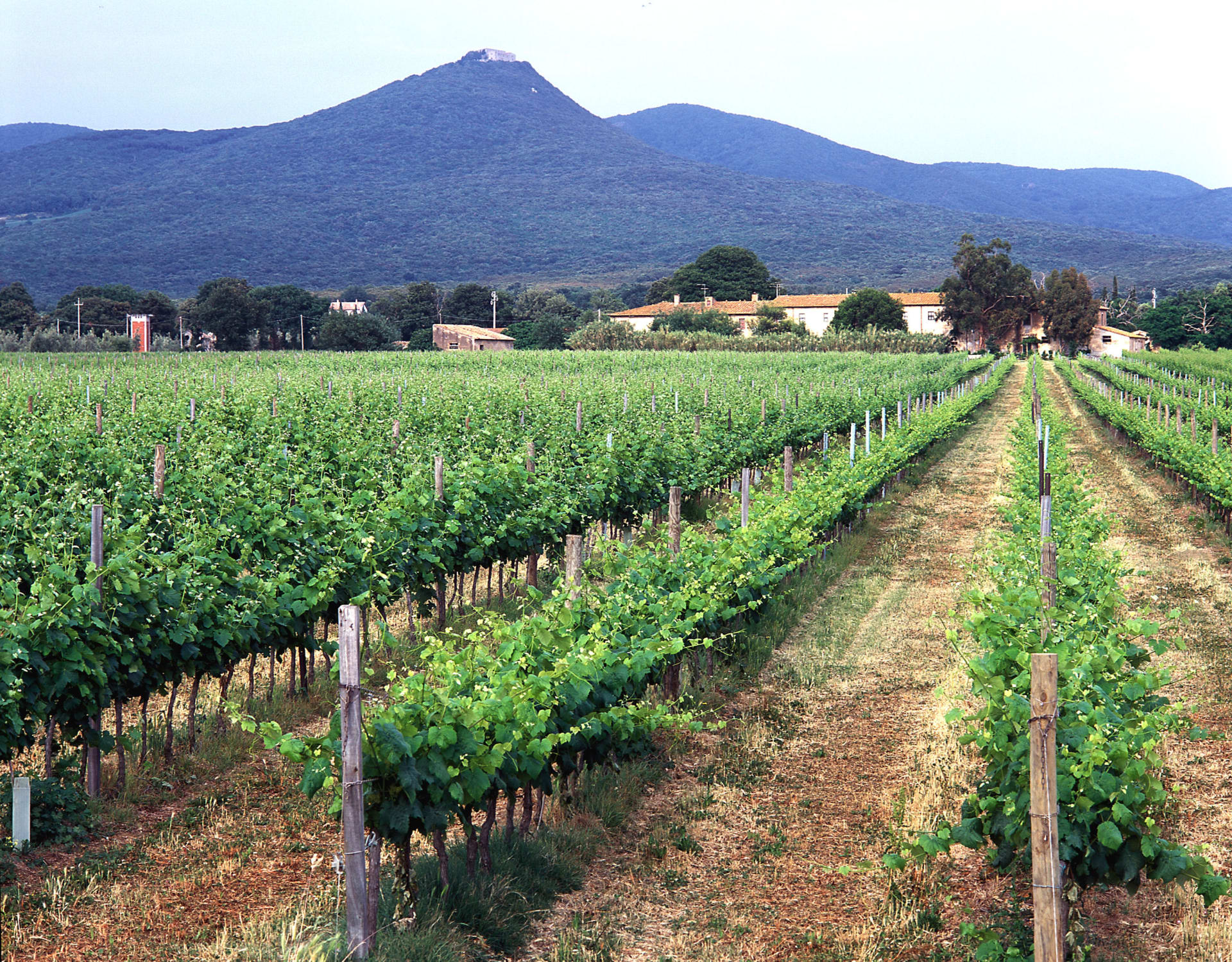




The Guado al Tasso Estate is located in the prestigious Bolgheri DOC, part of the Tuscan coastal area of Maremma, known for its untamed landscape and unspoiled beauty. Just 60 miles southwest of Florence, it sits on a magnificent plain in the heart of the Bolgheri amphitheater, a natural phenomenon created by hills that embrace the sea and produce a mild and temperate microclimate. Blessed with ample sunshine and constant breezes that take the edge off the summer heat and winter cold, Guado al Tasso is the ideal environment for cultivating healthy vine growth and proper ripening of the estate’s grapes. Inherited from Carlotta della Gherardesca, and revolutionized by Niccoló Antinori, the mother and father of Piero Antinori, Guado al Tasso is a reference point property in the life and history of the family. Here the challenge is to create wines of absolute excellence, always representative of the Bolgheri history, culture, and winemaking traditions.

With generous fruit and supple tannins, Merlot is made in a range of styles from everyday-drinking to world-renowned and age-worthy. Merlot is the dominant variety in the wines from Bordeaux’s Right Bank regions of St. Emilion and Pomerol, where it is often blended with Cabernet Franc to spectacular result. Merlot also frequently shines on its own, particularly in California’s Napa Valley. Somm Secret—As much as Miles derided the variety in the 2004 film, Sideways, his prized 1961 Château Cheval Blanc is actually a blend of Merlot and Cabernet Franc.

An outstanding wine region made famous by Marchese Mario Incisa della Rocchetta, who planted Cabernet Sauvignon vines for his own consumption in 1940s on his San Guido estate, and called the resulting wine, Sassicaia. Today the region’s Tuscan reds are based on Cabernet Sauvignon and Merlot, which can be made as single varietal wines or blends. The local Sangiovese can make up no more than 50% of the blends. Today Sassicaia has its own DOC designation within the Bogheri DOC appellation.