

Winemaker Notes
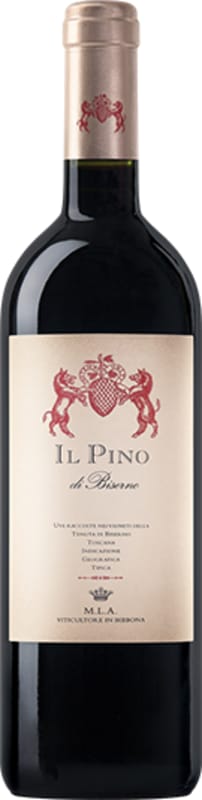
Il Pino di Biserno reflects the unique terroir of Bibbona, a blend of grapes which truly reflects a classic Alta Maremma wine, clearly a younger sibling of the eponymous Biserno. This, through rigorous selection of young vine grapes, is a fine ambassador for this estate, vintage after vintage, offering a harmonious, seductive style, Accessible and early-drinking, Il Pino reveals the potential character, finesse and elegance, of the property. The blend of Il Pino di Biserno consists of: Cabernet Franc, Merlot, Petit Verdot and in some vintages Cabernet Sauvignon.
Professional Ratings
-
Tasting Panel
Dense, black-fruited, and inky, this wine is muscular and chewy with a satin soul. The plum notes go preternaturally sweet and juicy as violets bloom mid-palate.
-
James Suckling
A very subtle but promising nose with dried lavender, conifer, dried herbs, nutmeg and even citrus. Full-bodied with ripe but tightly wound tannins that coat the mouth with dark and dried-fruit flavors. The acidity lifts this long through the finish, which is grainy and stony. A blend of cabernet franc, merlot and petit verdot. Drink in 2022.
-
Wine & Spirits
Il Pino is exuberantly lush in the warm 2015 vintage, bursting with flavors of black raspberry and wild plum edged in notes of cedar and cigar box. A blend of cabernet franc, merlot, cabernet sauvignon and petit verdot culled from the estate’s younger vines, it spends a year in a mix of new and second-use French oak barrels, gaining notes of exotic spice and toasted vanilla that intensify the wine’s plush character. Supple tannins make it accessible in youth, yet it’s capable of improving over the next several years.
-
Decanter
Dominated by Merlot (36%) with Cabernet Franc (30%), Petit Verdot (20%) and Cabernet Sauvignon, this label reflects the warm, powerful 2015 vintage. Forward and generous cassis and cedar wood flavours emerge on the enjoyable soft, creamy palate with moderate acidity. The finish is chocolatey with a slightly powdery texture. Drinking Window 2020 - 2030
-
Wine Spectator
This is ripe, with plum, pomegranate and spice flavors picking up an accent of coffee. A broad strip of tannins bisects the finish. Merlot, Cabernet Sauvignon, Petit Verdot and Cabernet Franc. Best from 2020 through 2030.


Legendary in Italy for its Renaissance art and striking landscape, Tuscany is also home to many of the country’s best red wines. Sangiovese reigns supreme here, as either the single varietal, or a dominant player, in almost all of Tuscany’s best.
A remarkable Chianti, named for its region of origin, will have a bright acidity, supple tannins and plenty of cherry fruit character. From the hills and valleys surrounding the medieval village of Montalcino, come the distinguished and age-worthy wines based on Brunello (Sangiovese). Earning global acclaim since the 1970s, the Tuscan Blends are composed solely of international grape varieties or a mix of international and Sangiovese. The wine called Vine Nobile di Montepulciano, composed of Prognolo Gentile (Sangiovese) and is recognized both for finesse and power.