


Winemaker Notes
Syrah is the rock of this complex blend, bringing weight and color, but in 2019 Grenache also became a star as we added more than ever before to lift the floral notes in the nose and bring a bright, garnet hue to the color. We once again added Mourvedre to bring an earthy, savory aspect to the dance, and, of course, Viognier to keep exotic notes of honeysuckle and tropical fruits in play. This wine is both intense and light on its feet, offering freshness and lift as well as deep notes of blackberry, currants, bacon, and espresso, At its price point, it can easily out-value any wine in its category.
This red blend pairs easily with any dish from fish to red meat.
Professional Ratings
-
Robert Parker's Wine Advocate
The 2019 Fundamental Red has a medium ruby-purple color and aromas of red and black cherries with accents of earth, dried orange peel and dark spices. The medium-bodied palate is soft and juicy with spicy fruits and a long finish.
-
Jeb Dunnuck
The 2019 Red Wine checks in as 50% Syrah, 35% Grenache, 12% Mourvèdre, and the balance Viognier, all of which was 85% destemmed, and it spent 10 months in neutral oak. Lots of red, blue, and black fruits as well as peppery and spice dominate the nose, and it’s medium to full-bodied, with plenty of fruit, surprising complexity, and good overall freshness. It’s a smoking good red as well as a value. Enjoy bottles over the coming year or three.


With bold fruit flavors and accents of sweet spice, Grenache, Syrah and Mourvèdre form the base of the classic Rhône Red Blend, while Carignan, Cinsault and Counoise often come in to play. Though they originated from France’s southern Rhône Valley, with some creative interpretation, Rhône blends have also become popular in other countries. Somm Secret—Putting their own local spin on the Rhône Red Blend, those from Priorat often include Merlot and Cabernet Sauvignon. In California, it is not uncommon to see Petite Sirah make an appearance.
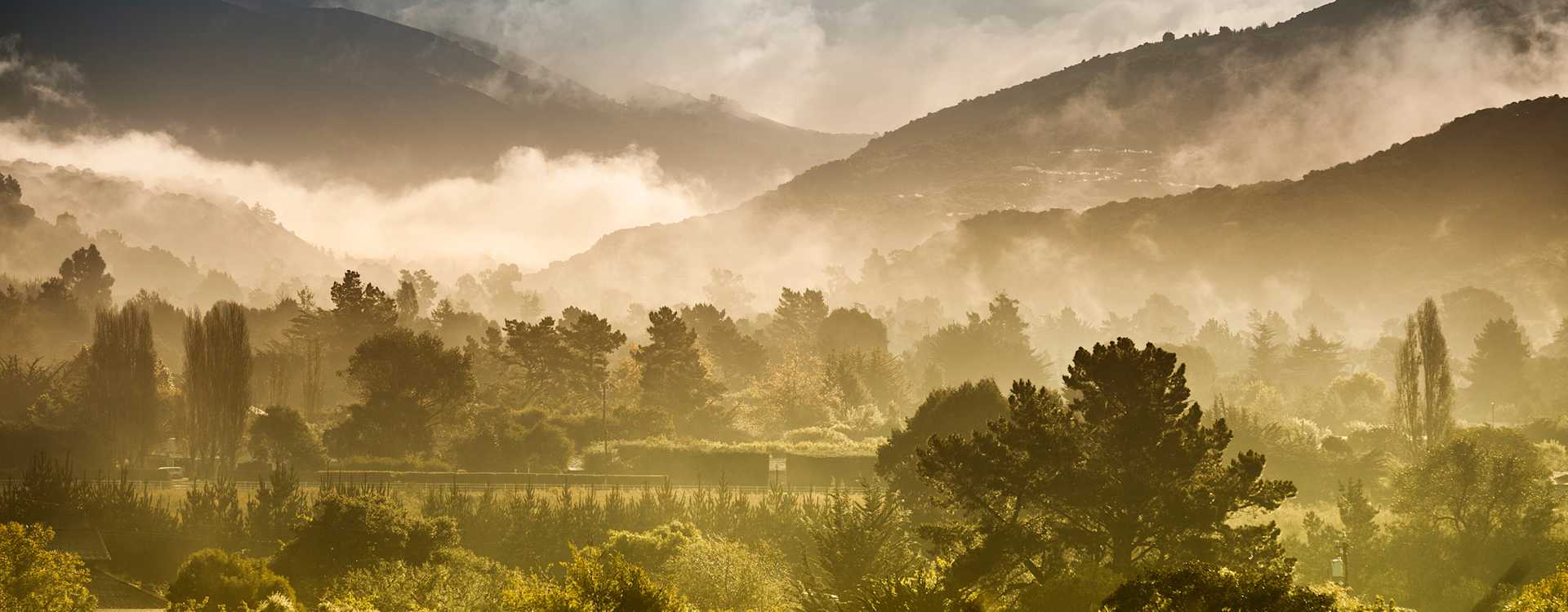
The largest and perhaps most varied of California’s wine-growing regions, the Central Coast produces a good majority of the state's wine. This vast California wine district stretches from San Francisco all the way to Santa Barbara along the coast, and reaches inland nearly all the way to the Central Valley.
Encompassing an extremely diverse array of climates, soil types and wine styles, it contains many smaller sub-AVAs, including San Francisco Bay, Monterey, the Santa Cruz Mountains, Paso Robles, Edna Valley, Santa Ynez Valley and Santa Maria Valley.
While the Central Coast California wine region could probably support almost any major grape varietiy, it is famous for a few Central Coast reds and whites. Pinot Noir, Chardonnay, Cabernet Sauvignon and Zinfandel are among the major ones. The Central Coast is home to many of the state's small, artisanal wineries crafting unique, high-quality wines, as well as larger producers also making exceptional wines.