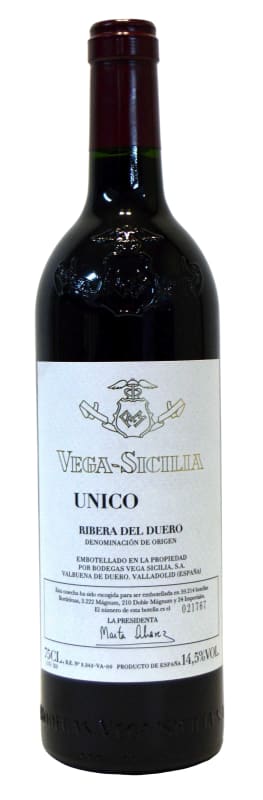


Winemaker Notes
The bedrock is schistous: the same rock that underlies the Port vineyards of the Douro further downstream. The topsoil is chalk-based, very pale and quite sandy.
Professional Ratings
-
James Suckling
The elevage is complex, building from smaller barrels to larger barrels over a period of six years, finishing in larger vats. Then four years in bottle. Non-sequential releasing with the 2005 and 2006 being released after the 2007 and 2008. This 2009 has good ripeness and deep fruit-presence on the nose with rich red and dark plums, subtly earthy spice, cedar and fresh tobacco. There’s terrific concentration on the palate and very ripe dark-plum, blueberry and cherry flavors. The tannins are fresh, very long and carry flavors deep. Natural freshness and effortless power, too — a hallmark of Unico! Very open-knit and approachable now, this will age for two decades easily, and then some more.
-
Decanter
Given how structured Único is for the long term, this great 2009, the latest vintage to be releases, is delightfully approachable now. On the nose there are delicate notes of red fruits, vanilla and cedar, while in the mouth it’s equally elegant and gloriously supple, with remarkably well-handled tannins. Overall, there's the keynote freshness, which sustains the superbly long finish. Says Gonzalo Iturriaga: ‘This is what Vega Sicilia is all about. It's this complexity, this youth, and also this capacity to age.’
-
Robert Parker's Wine Advocate
2009 was a warm and dry year, but the 2009 Único from magnum showed very well. It was released 10 years after the vintage, after the previous years were not released in chronological order. This felt young and energetic, still a little closed but powerful and balanced. As with the 2011, it's "only" 14% alcohol. 3,390 magnums were filled in June 2015. Artwork by Lita Cabellut.
-
Wine & Spirits
Unico is a selection from Vega-Sicilia’s top benchland parcels of tempranillo and cabernet sauvignon, both varieties part of the original plantings at the estate in the 19th century. The contemporary vines, now an average of 35 years old, are rooted in rocky limestone and quartz gravels at the south end of the estate, with a cool northern exposure; the fruit of those vines ferments spontaneously in wooden vats, then ages in oak barrels for five years, and for more time in bottle. With ten years of age, this 2009 is youthful and dynamic. Beyond the initial scents of oak, you’ll find brisk, tart red cherry and boysenberry fruit energized by the Mediterranean warmth of the tannins. Complex and savory, it’s compelling to drink now, yet will gain beauty with age.
-
Wine Spectator
This red is rich yet vibrant, dense yet graceful. Cherry and plum flavors are backed by forest floor, cedar, tobacco and mineral notes, supported by muscular, well-integrated tannins that give way to a spicy, slightly bitter finish. Complex and harmonious. Tinto Fino and Cabernet Sauvignon.
-
Wine Enthusiast
The warmth of the 2009 vintage is apparent from the start—the nose is warm and murky, with raisiny fruit. On the palate, this is thick and rich, with prune notes. Flavors of cassis, prune, raisin and chocolate are smooth and rich, while this is dense on the finish. If you’re looking for suave elegance, it’s not here.


Notoriously food-friendly, long-lasting and Spain’s most widely planted grape, Tempranillo is the star variety of red wines from Rioja and Ribera del Duero. The Rioja terms Joven, Crianza, Reserva and Gran Reserva indicate both barrel and bottle time before release. Traditionally blended in Rioja with Garnacha, plus a bit of Mazuelo (Carignan) and Graciano, the Tempranillo in Ribera del Duero typically stands alone. Somm Secret—Tempranillo claims many different names depending on location. In Penedès, it is called Ull de Llebre and in Valdepeñas, goes by Cencibel. Known as Tinta Roriz in Portugal, Tempranillo plays an important role in Port wine.

Ribera del Duero, Spanish wine region, is located in northen Spain’s Castilla y León region, just a 2-hour drive from Madrid. While winemaking in this area goes back more than 2000 years, it was in the 1980s that 9 wineries applied for and were granted Denominación de Origen (D.O.) status. Today, more than 300 wineries call Ribera del Duero home, including some of Spain’s most iconic names.
Notable Facts Ribera’s main grape variety, Tempranillo, locally know as Tinto Fino, is perfectly suited to the extreme climate of the region, where it must survive scorching summers and frigid winters. Low yields resulting from conscientious tending to old vines planted in Ribera’s diverse soils types, give Ribera wines a distinctive depth and complexity not found in other Tempranillos. Rich and full-bodied, the spice, dark fruit and smoky flavors in a bold Ribera del Duero will pair well with roasted and grilled meats, Mexican food and tomato-based sauces.