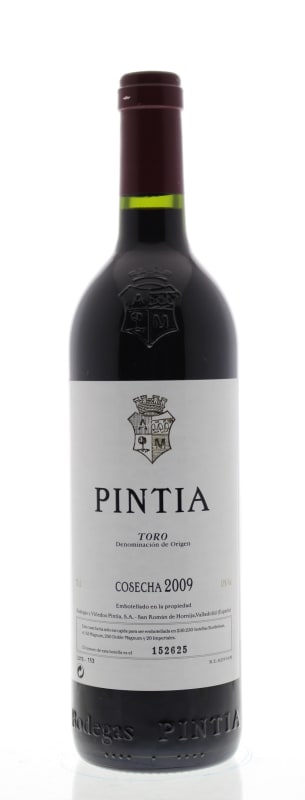


Winemaker Notes
Professional Ratings
-
Robert Parker's Wine Advocate
The aromatics on the 2009 Pintia are very intense with lifted wild strawberry, raspberry, mulberry fruit interlaced by dried herbs and just a mention of cigar box. The palate is medium-bodied with fine tannins that are in synch with the tobacco-tinged red fruit. This has very good structure and symmetry, while the finish displays fine tension and a long, spicy aftertaste.
-
Wine Enthusiast
There’s no denying this wine’s force. It’s 15% ABV but balanced, with roasted berry, leather, toasty oak, graphite and prune aromas. The palate feels full, flush and without gaps, while flavors of blackberry, cassis, chocolate and spice finish exceedingly smooth, with loamy notes and leftover spice.
-
Wine Spectator
Floral and spicy aromas lead to flavors of blackberry, coffee bean, licorice and tar in this graceful red. Features firm tannins under the polished surface, kept fresh by lively acidity.


Notoriously food-friendly, long-lasting and Spain’s most widely planted grape, Tempranillo is the star variety of red wines from Rioja and Ribera del Duero. The Rioja terms Joven, Crianza, Reserva and Gran Reserva indicate both barrel and bottle time before release. Traditionally blended in Rioja with Garnacha, plus a bit of Mazuelo (Carignan) and Graciano, the Tempranillo in Ribera del Duero typically stands alone. Somm Secret—Tempranillo claims many different names depending on location. In Penedès, it is called Ull de Llebre and in Valdepeñas, goes by Cencibel. Known as Tinta Roriz in Portugal, Tempranillo plays an important role in Port wine.

Spain's remote, high elevation Spanish wine zone between the regions of Bierzo and Ribera del Duero produces intense, full-bodied reds made from Tempranillo, locally called Tinta de Toro. This local variant has adapted to the region’s climatic extremes and recognizing its potential, top producers from Ribera del Duero and Rioja have invested heavily in its vineyards.