

Winemaker Notes
Professional Ratings
-
James Suckling
A highly expressive and bright expression, showing dried citrus, spiced pears and a touch of white flowers. The palate is mouth-filling yet nervy, driven by crunchy acidity and a firm mineral core. Taut and focused, with energy and precision throughout. 100% Maresh Vineyard Dijon clone, planted in 1991. Drink or hold.
-
Robert Parker's Wine Advocate
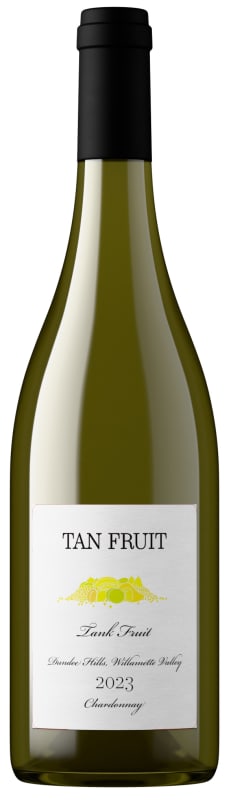
The 2023 Chardonnay Tank Fruit comes from vines in the Maresh Vineyard planted in 1991. It was matured for one year in stainless steel, plus an additional six months in barrel. It has pretty aromas of white peach, apricot, panna cotta, roasted almonds and floral perfume. The light-bodied palate has a silky texture and understated, saline-laced flavors. Racy acidity lures you in for another sip, and it has a long, succulent finish.


One of the most popular and versatile white wine grapes, Chardonnay offers a wide range of flavors and styles depending on where it is grown and how it is made. While it tends to flourish in most environments, Chardonnay from its Burgundian homeland produces some of the most remarkable and longest lived examples. California produces both oaky, buttery styles and leaner, European-inspired wines. Somm Secret—The Burgundian subregion of Chablis, while typically using older oak barrels, produces a bright style similar to the unoaked style. Anyone who doesn't like oaky Chardonnay would likely enjoy Chablis.

Home of the first Pinot noir vineyard of the Willamette Valley, planted by David Lett of Eyrie Vineyard in 1966, today the Dundee Hills AVA remains the most densely planted AVA in the valley (and state). To its north sits the Chehalem Valley and to its south, runs the Willamette River. Within the region’s 12,500 acres, about 1,700 are planted to vine on predominantly basalt-based, volcanic, Jory soil.