

Winemaker Notes
Excellent with Torkes oysters from Netarts Bay, Oregon.
Professional Ratings
-
Robert Parker's Wine Advocate
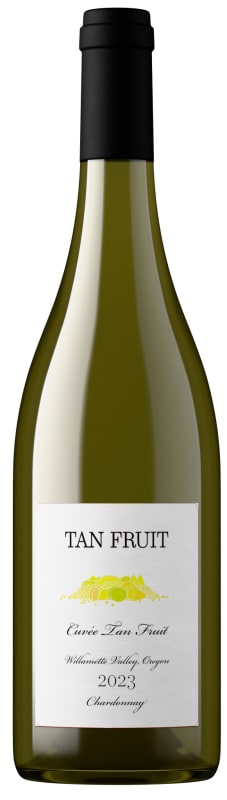
The 2023 Chardonnay Cuvée Tan Fruit opens with saline and flint aromas that give way to quince, beeswax and chamomile. The light-bodied palate opens to more expansive, peachy flavors and honeyed accents. It has a luxurious, silky texture, vibrant acidity and a long, energetic finish. It will benefit from time in a decanter.
-
Vinous
The 2023 Chardonnay Cuvée is more savory than sweet. Nuances of sage, musky citrus tones and crushed rocks waft up from the glass. Lifted and energetic, it is packed full of crunchy minerality, with a core of tart orchard fruits that cascade across the palate. The finish leaves the palate reeling with mouthwatering tension as a lemony concentration slowly fades.


One of the most popular and versatile white wine grapes, Chardonnay offers a wide range of flavors and styles depending on where it is grown and how it is made. While it tends to flourish in most environments, Chardonnay from its Burgundian homeland produces some of the most remarkable and longest lived examples. California produces both oaky, buttery styles and leaner, European-inspired wines. Somm Secret—The Burgundian subregion of Chablis, while typically using older oak barrels, produces a bright style similar to the unoaked style. Anyone who doesn't like oaky Chardonnay would likely enjoy Chablis.

Home of the first Pinot noir vineyard of the Willamette Valley, planted by David Lett of Eyrie Vineyard in 1966, today the Dundee Hills AVA remains the most densely planted AVA in the valley (and state). To its north sits the Chehalem Valley and to its south, runs the Willamette River. Within the region’s 12,500 acres, about 1,700 are planted to vine on predominantly basalt-based, volcanic, Jory soil.