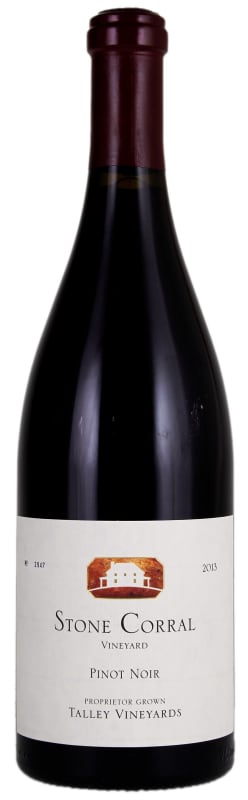


Winemaker Notes
With its sturdy structure, this medium-bodied Pinot Noir would pair wonderfully with grilledrack of lamb or beef tenderloin
Professional Ratings
-
Robert Parker's Wine Advocate
A step back from the Rincon and Rosemary releases, yet still a stunner, the 2013 Pinot Noir Stone Corral comes from sandy soils and exhibits pretty notes of rose petals, crushed rocks, candied watermelon and strawberries. Showing more and more minerality with time in the glass, it's medium-bodied and focused on the palate, with vibrant acidity, excellent purity and a clean finish. It lacks a touch of length compared to the other two single-vineyards, but I suspect will evolve similarly.
-
Wine Enthusiast
Light notes of pomegranate and hibiscus intertwine with Earl Grey tea and lavender on the nose of this wine from one of the region's most famous producers. There's lots of California chaparral spice on the nose, with aniseed, wild fennel and a cinnamon character decorating the cranberry, pomegranate and light strawberry flavors.


Thin-skinned, finicky and temperamental, Pinot Noir is also one of the most rewarding grapes to grow and remains a labor of love for some of the greatest vignerons in Burgundy. Fairly adaptable but highly reflective of the environment in which it is grown, Pinot Noir prefers a cool climate and requires low yields to achieve high quality. Outside of France, outstanding examples come from in Oregon, California and throughout specific locations in wine-producing world. Somm Secret—André Tchelistcheff, California’s most influential post-Prohibition winemaker decidedly stayed away from the grape, claiming “God made Cabernet. The Devil made Pinot Noir.”
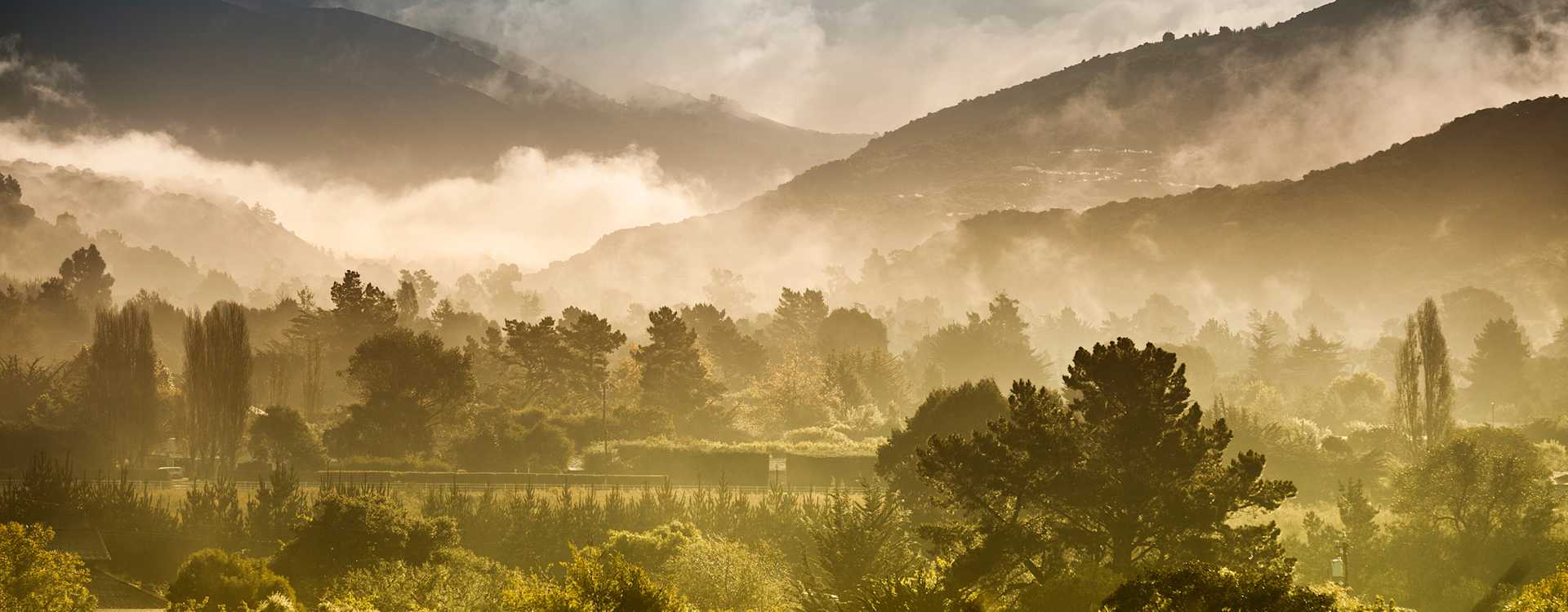
California’s coolest wine growing area, Edna Valley excels in the production of high quality Central Coast wines like Pinot noir, Chardonnay, Rhône Blends and aromatic white wines. It has a cool Mediterranean climate and an incredibly long growing season, giving late-ripening varieties plenty of opportunity to develop great phenolic complexity.
Its northwest to southeast orientation creates a direct path for cool Pacific air and fog to penetrate the valley from the Los Osos and Morro Bay area inwards. Low hillsides of both calcareous and volcanic soils are home to much of the vineyard acreage of the Edna Valley.